If you’ve travelled to Africa before, you know what an incredible experience it can be. For those who haven’t yet been, it can sometimes be hard to understand what a trip to this continent can really be like. Here is a list of common Africa travel myths, just to clear things up.
Africa is one big country. People often refer to Africa as one single country when it is in fact made up of 54 different countries, 3,000 tribes, and more than 2,000 different languages.
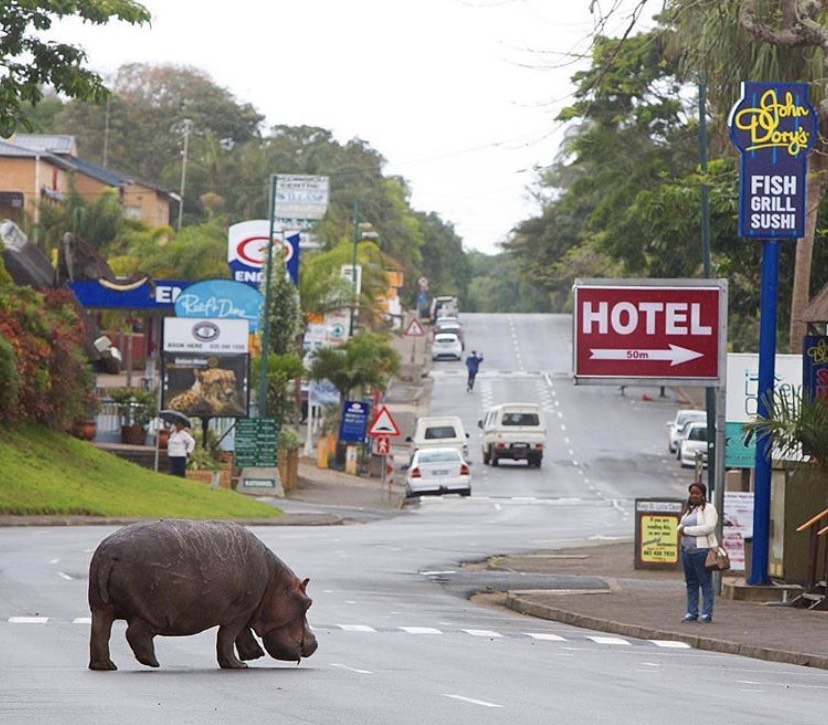
Wild animals roam freely throughout the country. The first thing many foreigners ask when setting foot on African soil is: “Where are the wild animals?”, and here they usually refer to lions and elephants. There are definitely some areas where humans have had to learn to live with baboons, monkeys, penguins, buck and even hippos on their doorsteps, but you will never find a lion roaming the city streets, or see a local riding an elephant to work. Most of the wildlife is restricted and enclosed in National Parks or private game reserves. With the exception of St Lucia of course and our hippos!
Going on safari is the one and only thing to do when visiting. Seeing the animals in their natural habitat is an incredible experience. Do however try to do more than just spending your time on safari. Plan enough time to visit the bushveld, beaches as well as some of the larger cities and off the beaten track little towns. We have culture as well! There is so much more to South Africa than what is seen in travel brochures and adverts placed by tour companies. Dig below the surface and discover the cultures, history, food and people that make Africa such an incredible destination.
Africa is unsafe. As with many destinations (and probably even in the countries where you come from), there are areas you don’t visit, and certainly don’t walk through displaying your cash. These occurrences should never stop you from visiting the incredible countries that Africa has to offer.
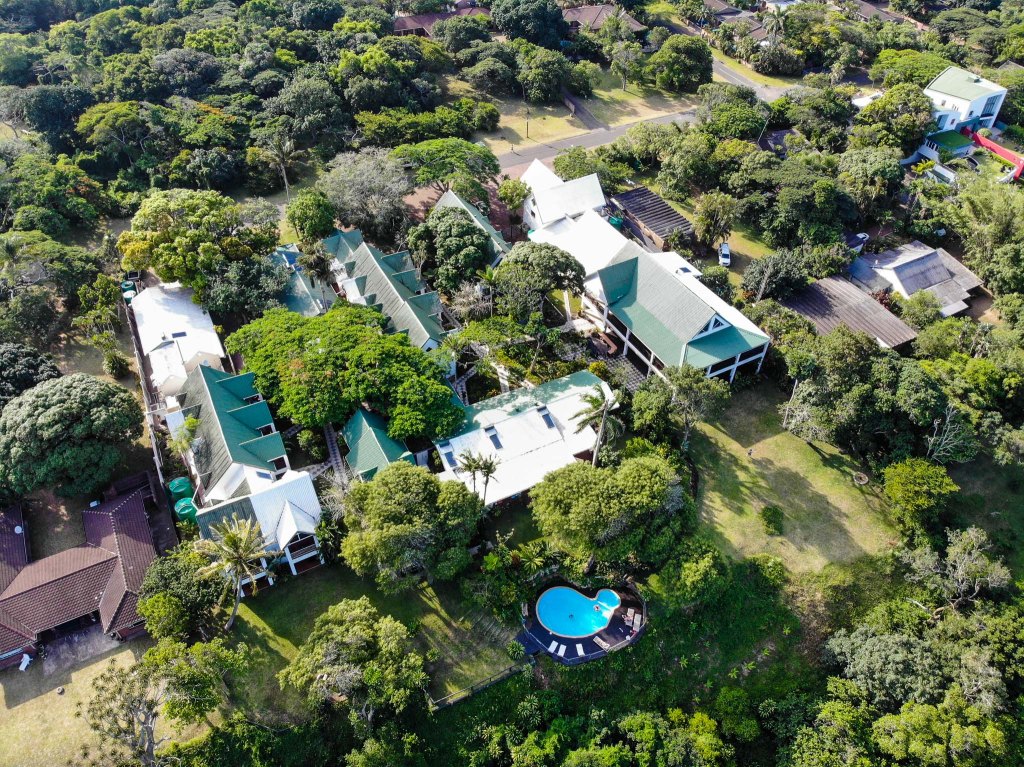
created by dji camera
What about WiFi? Isn’t Africa technologically backwards? Africa is going through a technological revolution. Most areas have internet connections. Remote bush camps may have limited signal. It makes it a good opportunity to listen to the bush sounds and talk to each other.
We look forward to seeing you on our shores and in the tiny enclave of St Lucia in the not too distant future when the world returns to normal.
A brief A to Z of animals in iSimangaliso Wetland Park looks at a small selection of fascinating animals that can be found in the area. A daunting task considering the long list of beasts one can stumble across on foot, and in a vehicle when out and about exploring St Lucia. For those of you who would like to try checking these animals off your must see list join us on one of our ShakaBarker tours…
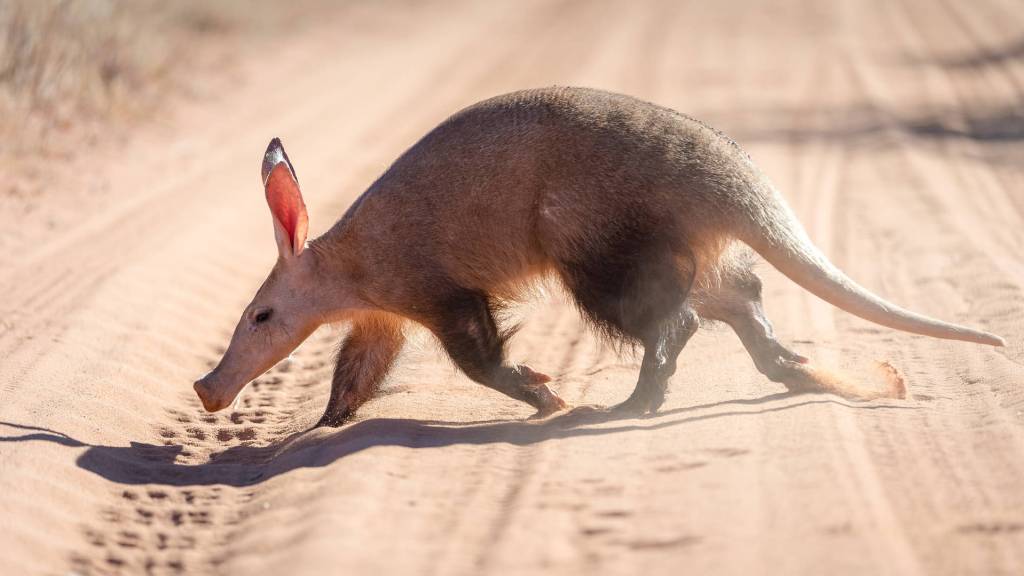
A – Ant Bear. The more traditional and affectionate name is Aardvark – a very useful bilingual translation, maintaining a double A.
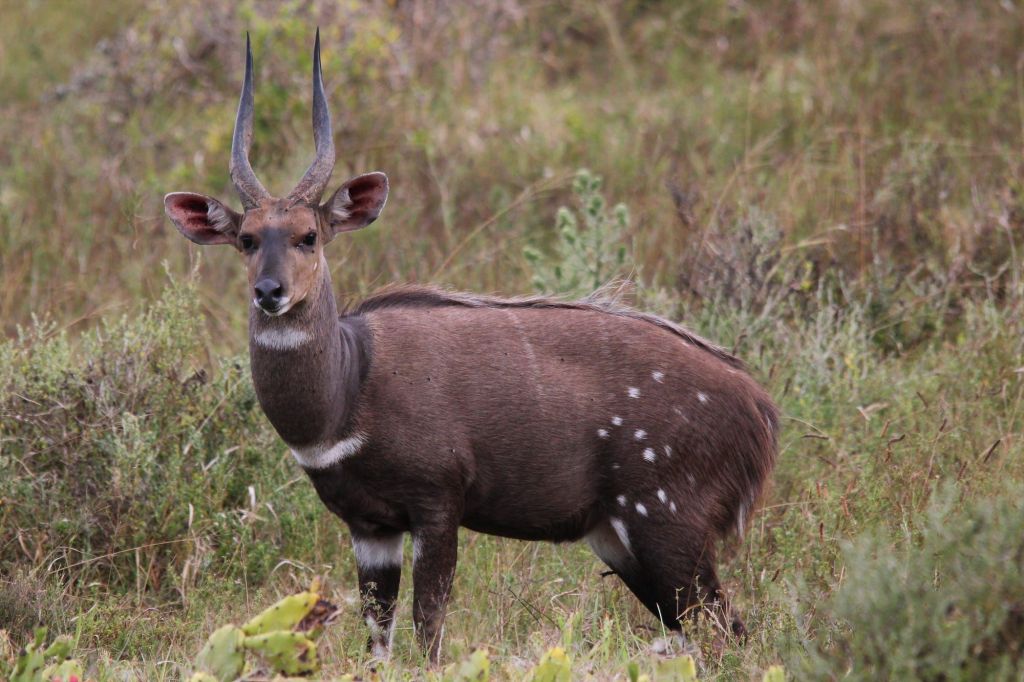
B – Buck, and I will opt for Bushbuck- a double B here.
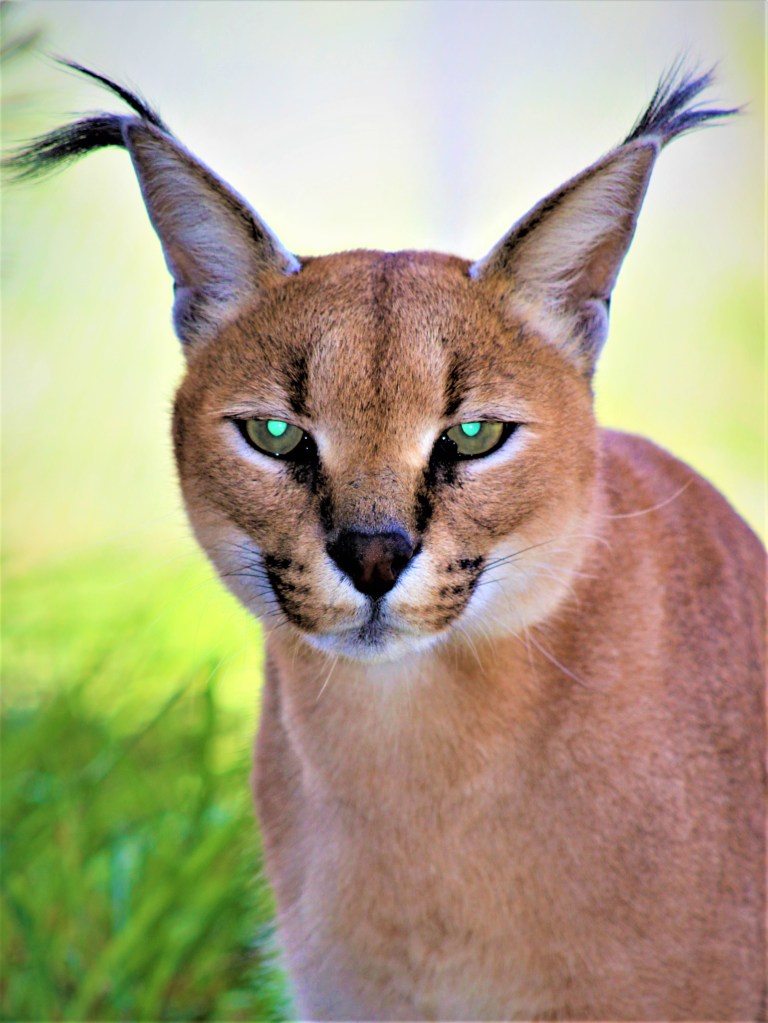
C – Caracal, not your average household cat. A few on the Eastern Shore but more prevalent on the Western Shore. Yes, you guessed it right, Caracals are cats – CC!
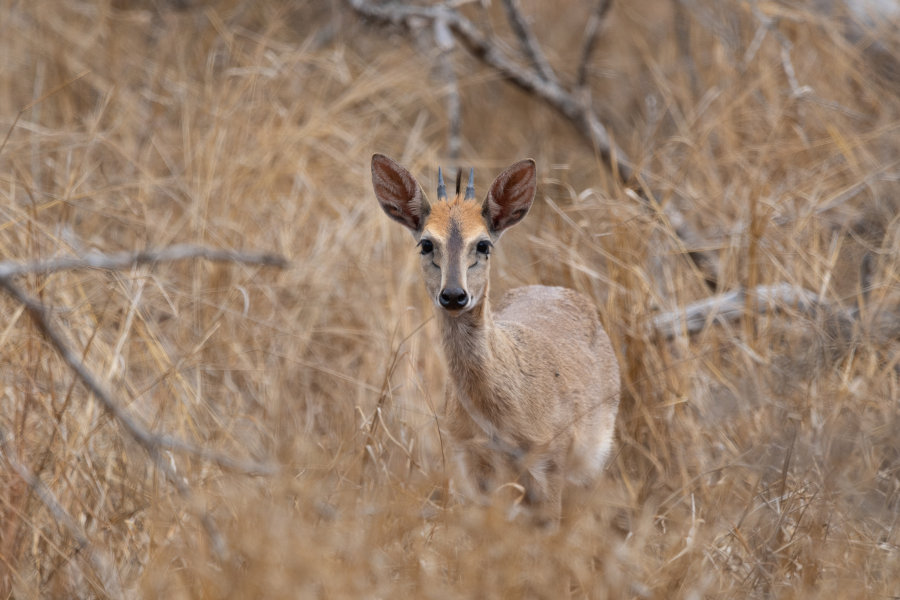
D – Have to take Duiker on this one. This species is well represented here, with grey, blue and red duiker.
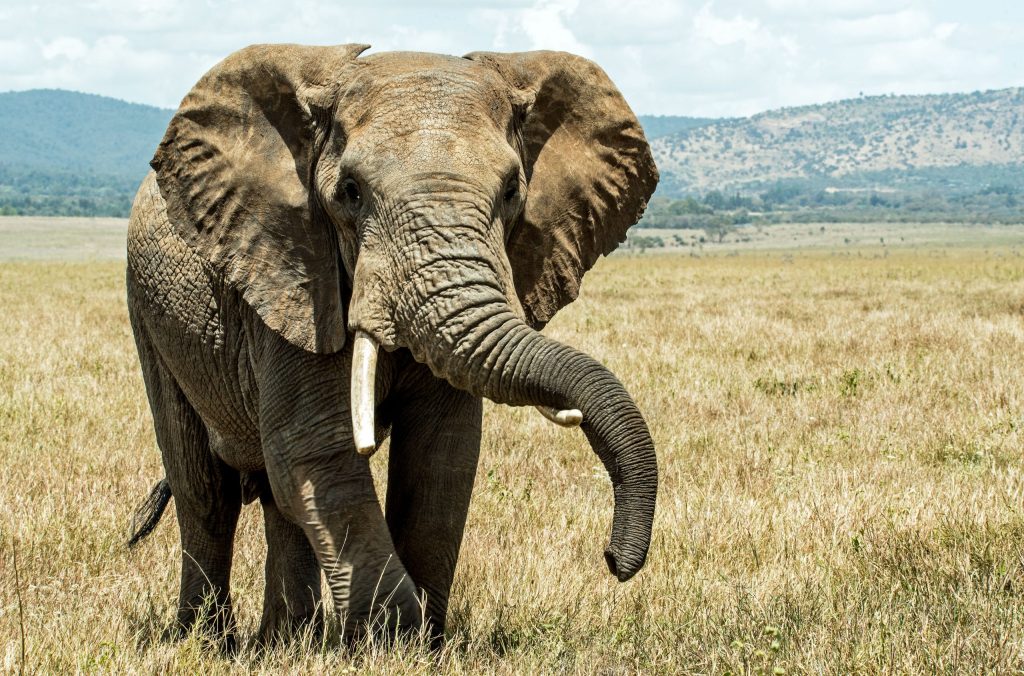
E – Elephant, they seem to be more prevalent on the Western shores, but do cross over to the Eastern shores quite regularly.
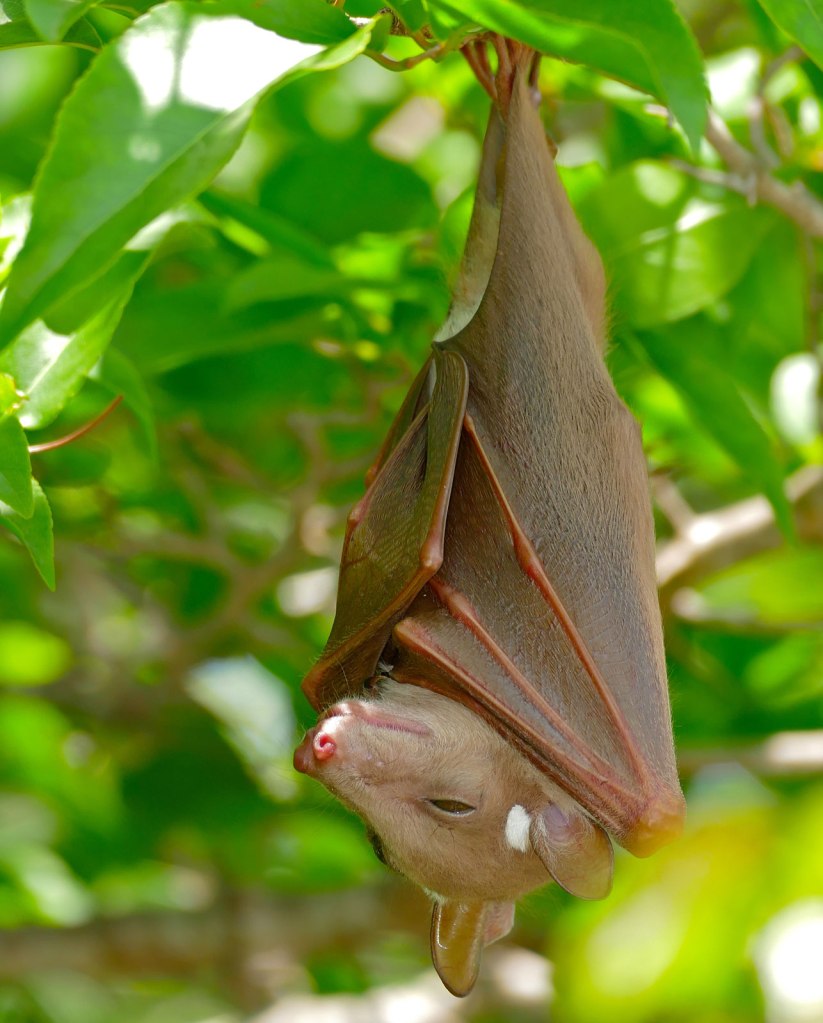
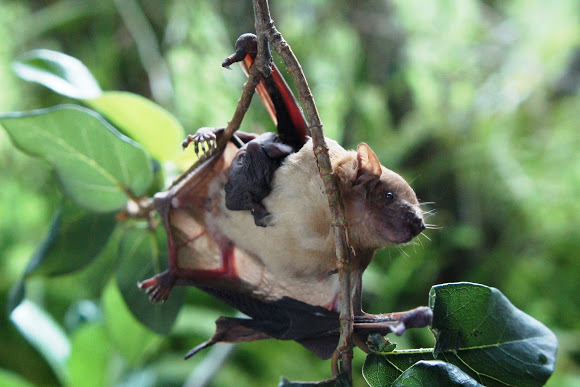
F – Fruit Bat. Yes, and there are plenty, go take a hike to Bats Cave near Mission Rocks, a estimated 4000 will greet you on entering this “On- the- beach- Cave”.
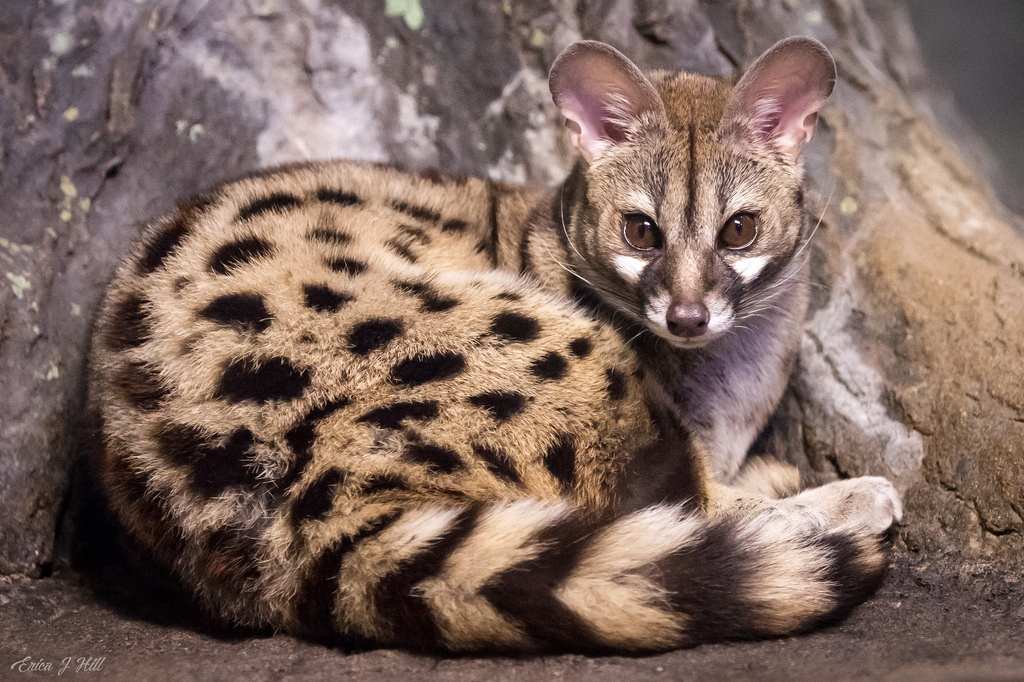
G – Genet, a cunning little creature, cat-like, but in fact related to mongoose. Presently easy to see on the ShakaBarker Chameleon Night Drives. They are much easier to spot when the grass has been burnt in the southern area of the GSLWP, close to the Croc Educational Centre.
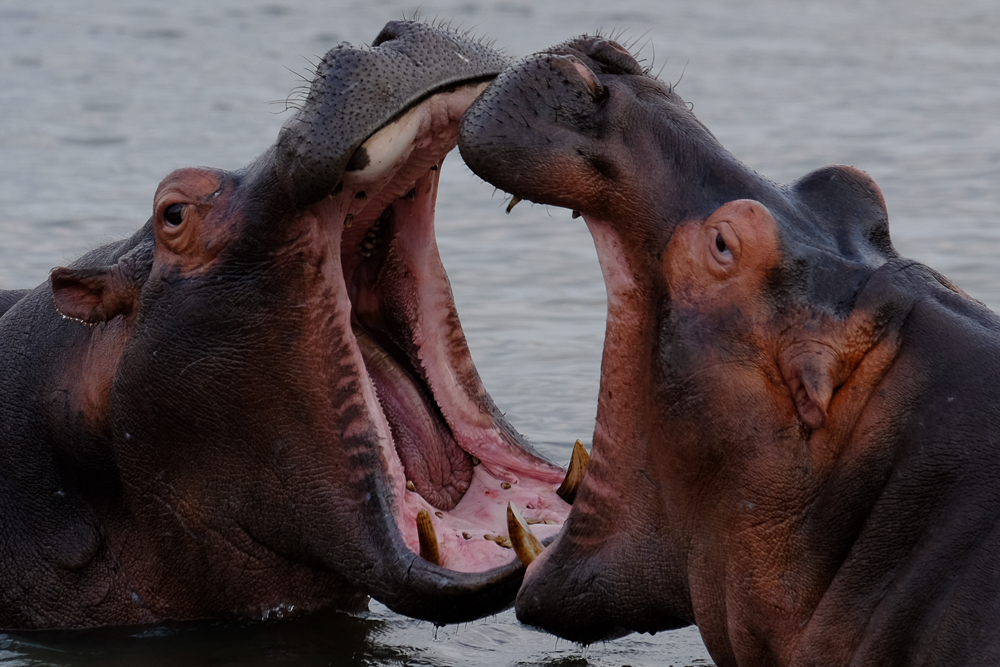
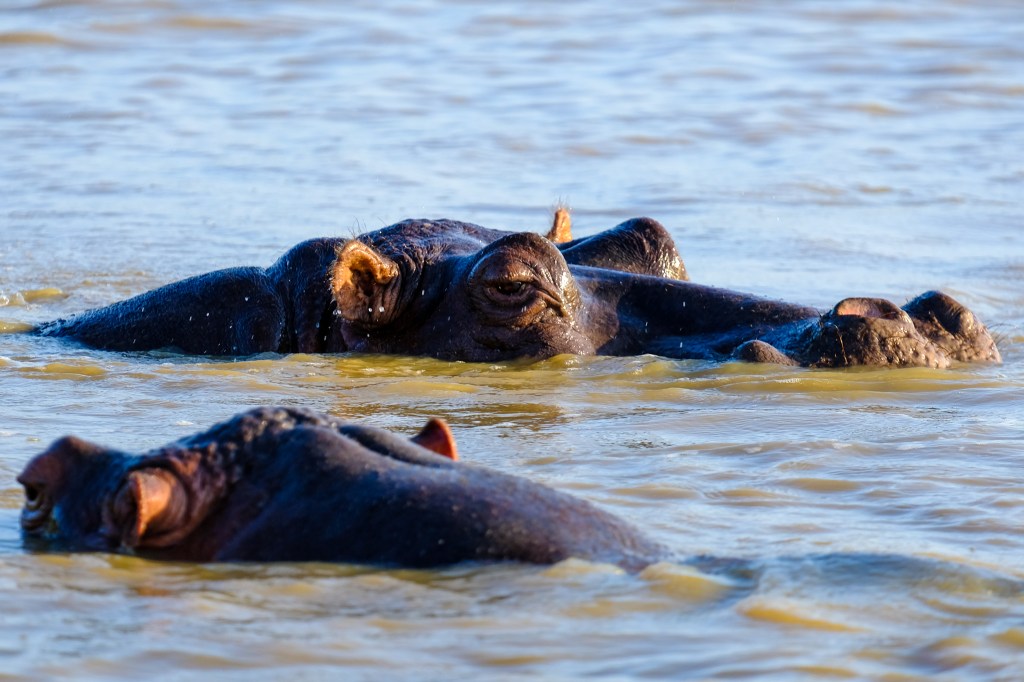
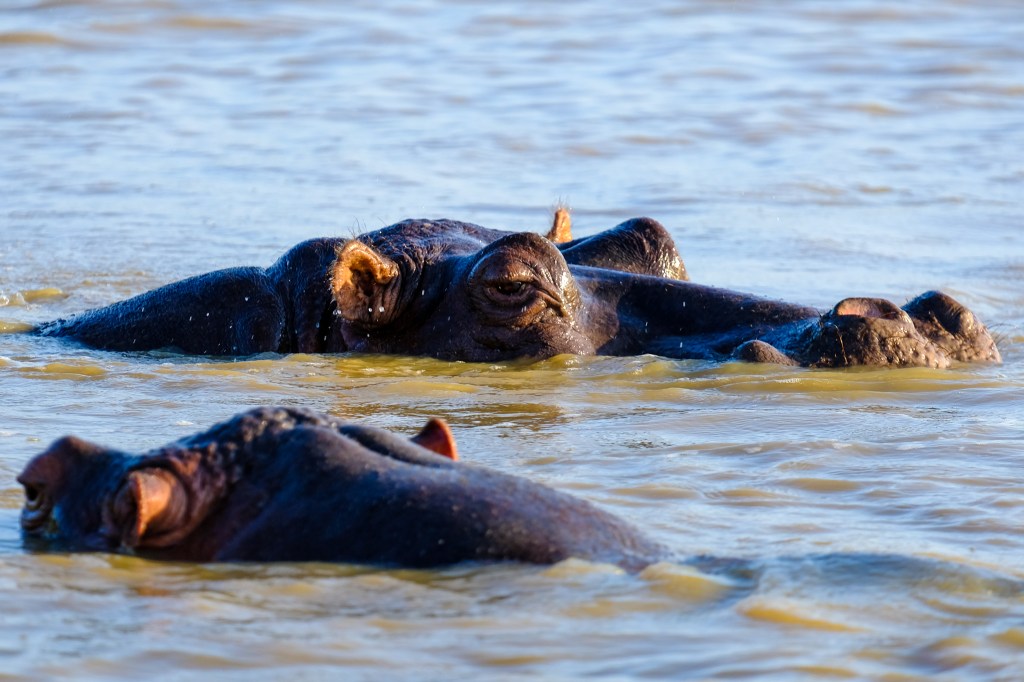
H – No guesses what my choice for H will be. Our local lake resident and informal town lawn trimmer – the Hippopotamus!
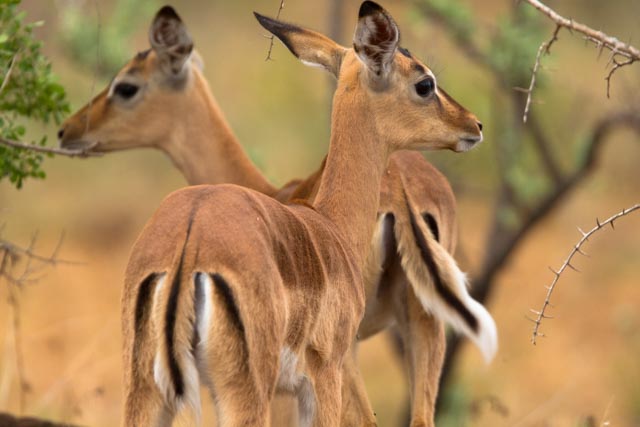
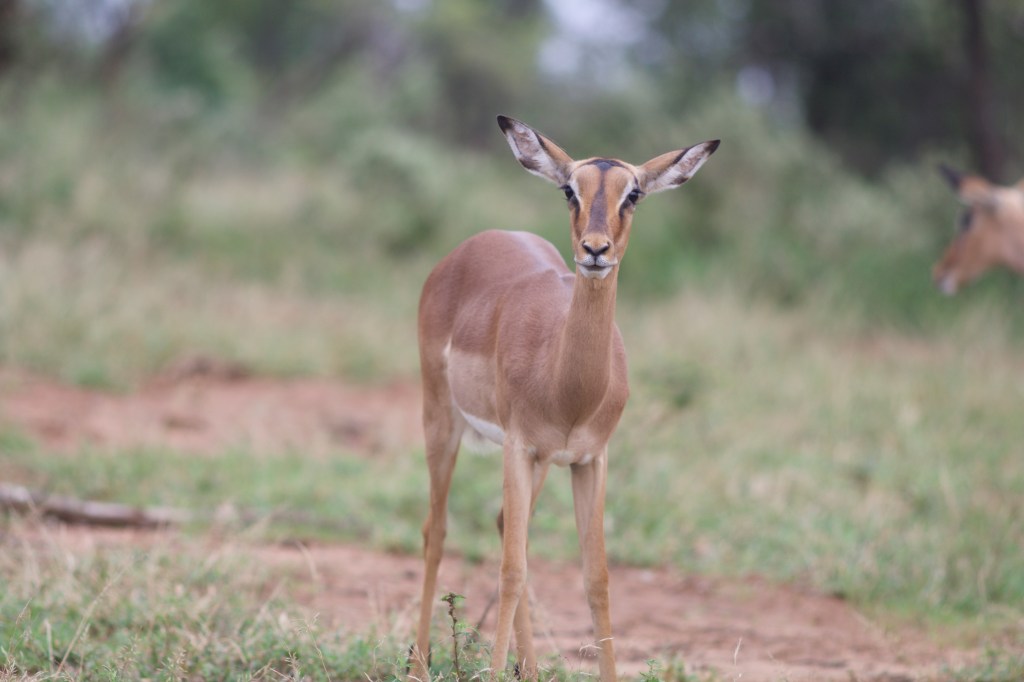
I – There is not much of a choice here, either Impala. Although there are not many, and all located in the area of the iPhiva hiking trail.
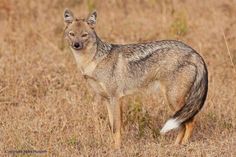
J – Jackal, in particular, the Side-striped or Silver Jackal. (silver)
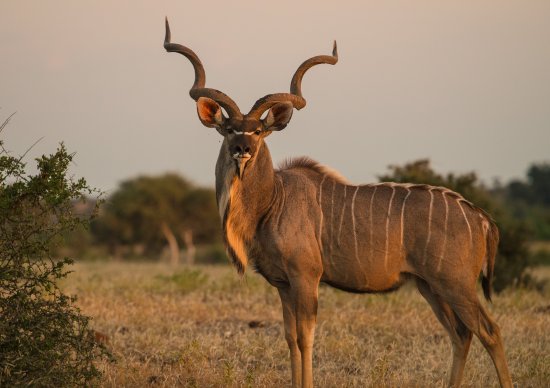
K – Kudu, an extremely handsome buck. The males have magnificent long, spiral horns.
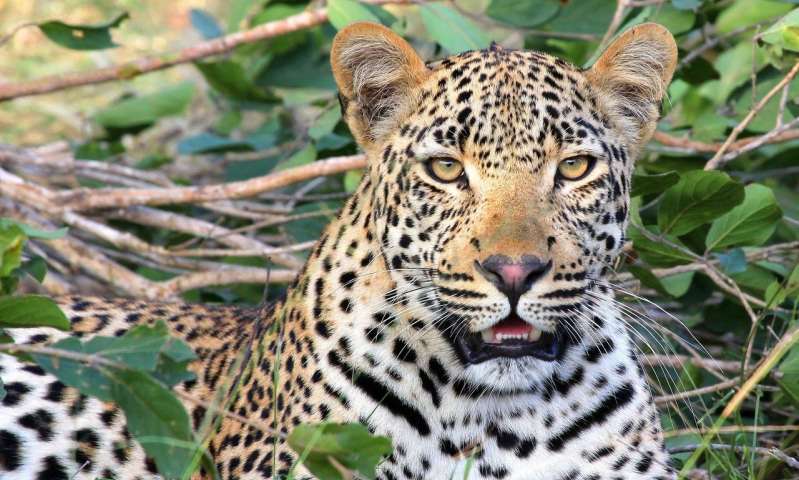
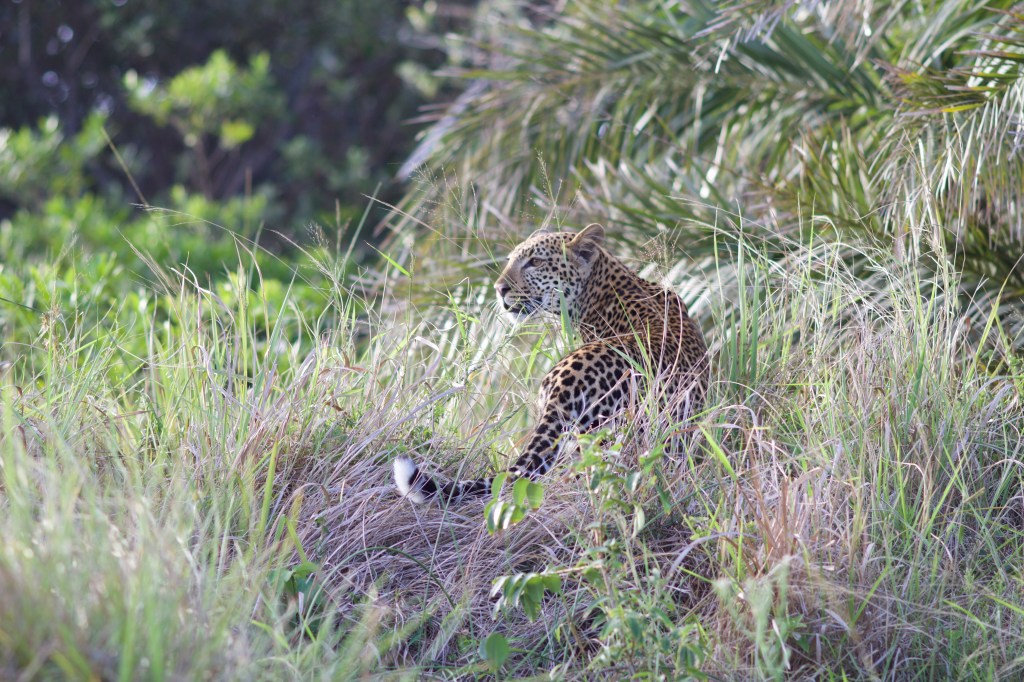
L – This one would definitely have to be Leopard. if I ever decide to draw up a list of the most elusive and highly sought-after animals it would be this magnificent cat.
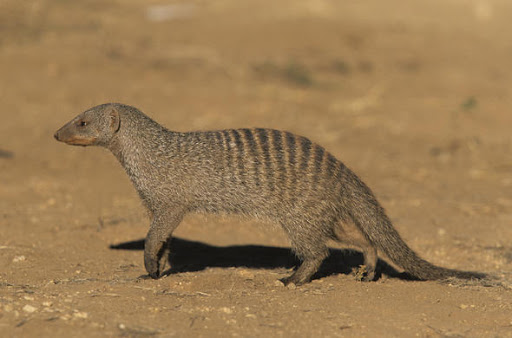
M – A bit of a toss-up here, between monkeys and mongooses. I am rather partial to the mongoose, so they get my vote. The main species- or the most visible species- would be the Banded mongoose. And a random fact for those that might be interested – Mongooses or mongeese are both considered acceptable plurals according to Websters in spite of what your computer spellcheck may scream at you!
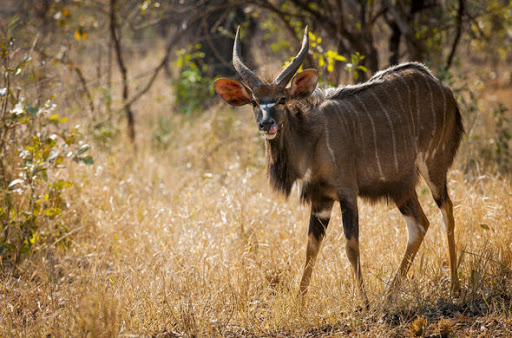
N – Nyala, an easy one, although they are no longer found on the Eastern Shores. During the afforestation of the Eastern Shore with pine trees, the Nyala where removed. But there are plenty on the Western Shores, for example: False Bay and Charters Creek.
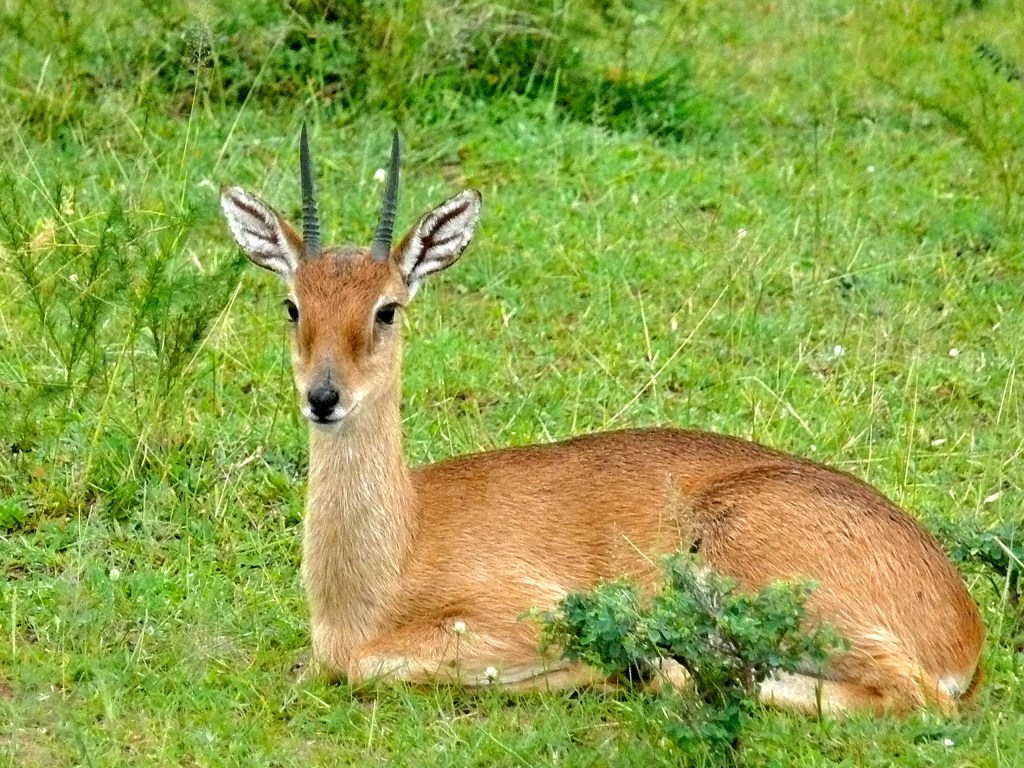
O – Oribi – There was a small population introduced fairly recently on the Eastern Shores. Status – uncertain. However, they were monitored for a number of years to see how they were settling in this area.
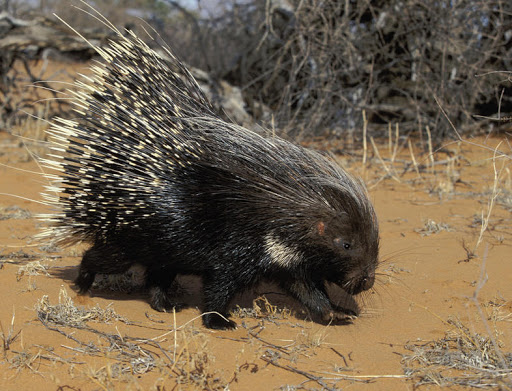
P – The obvious choice here is the Porcupine. This is a “Rodent of unusual Size, heavily protected by pointed javelin hairs, and not a cuddly pet, but a night drive favourite. (SA porcupine)
Porcupine, Hystrix africaeaustralis, in red Kalahari dunes, Kgalagadi Transfrontier Park, South Africa
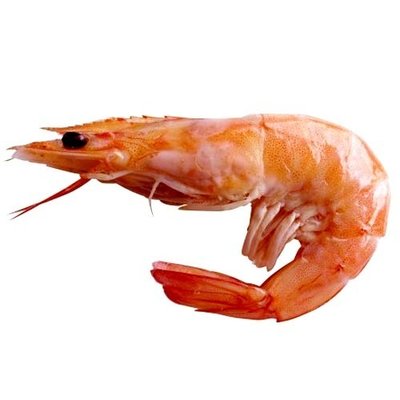
Q – Reaching the end of my “A to Z” of animals in the GSLWP was a bit of a daunting task, as I realised there were going to be a few alphabetical snags, especially with Q. Queen Prawn comes to mind, something we are all familiar with, so we will just have to stick with Queen prawn/s with extra garlic, for now, plenty of those to be found in the local St. Lucia restaurants!
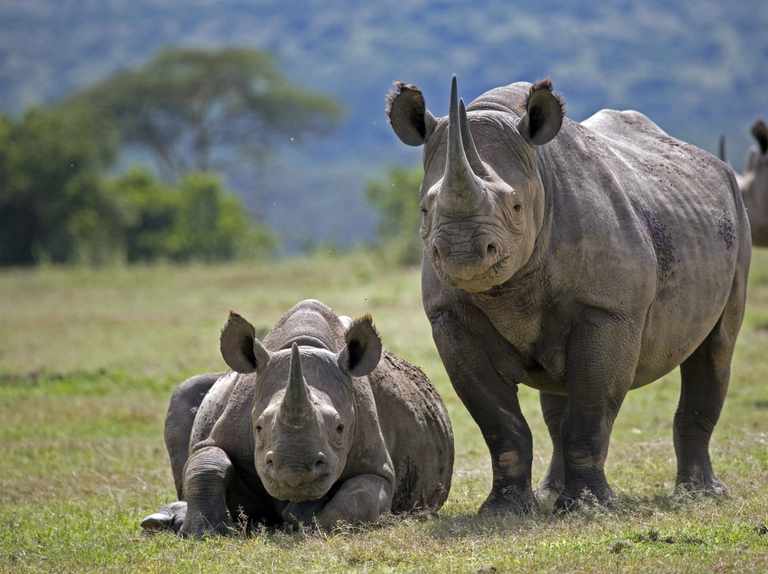
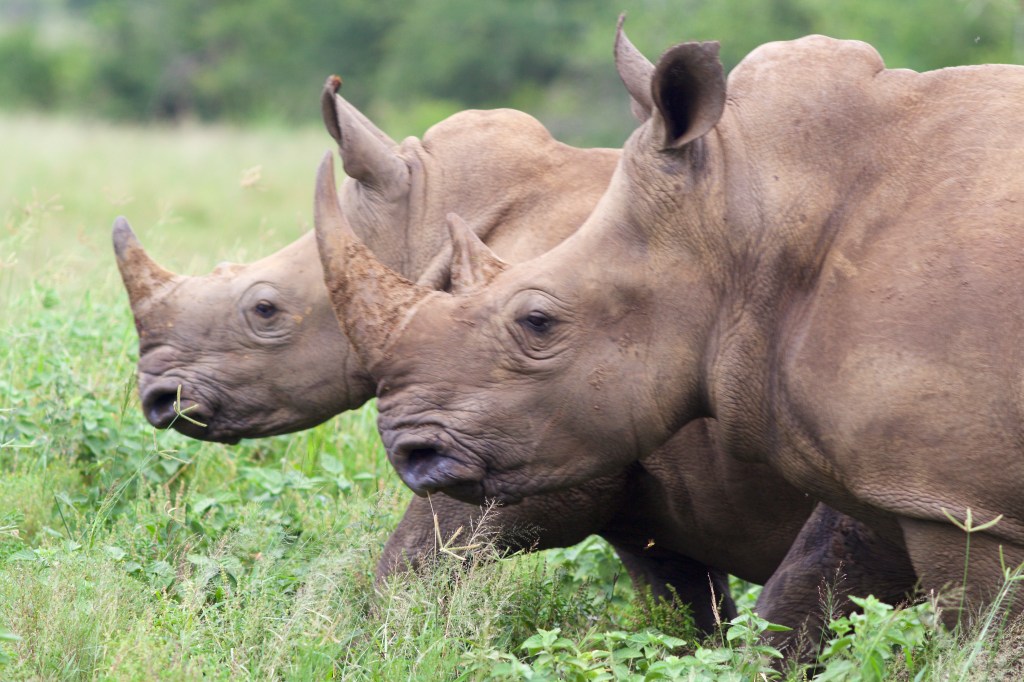
R – Rhino, white. Easy Big Five choice. Sadly to protect them from poachers all our GSLWP rhino have been dehorned.
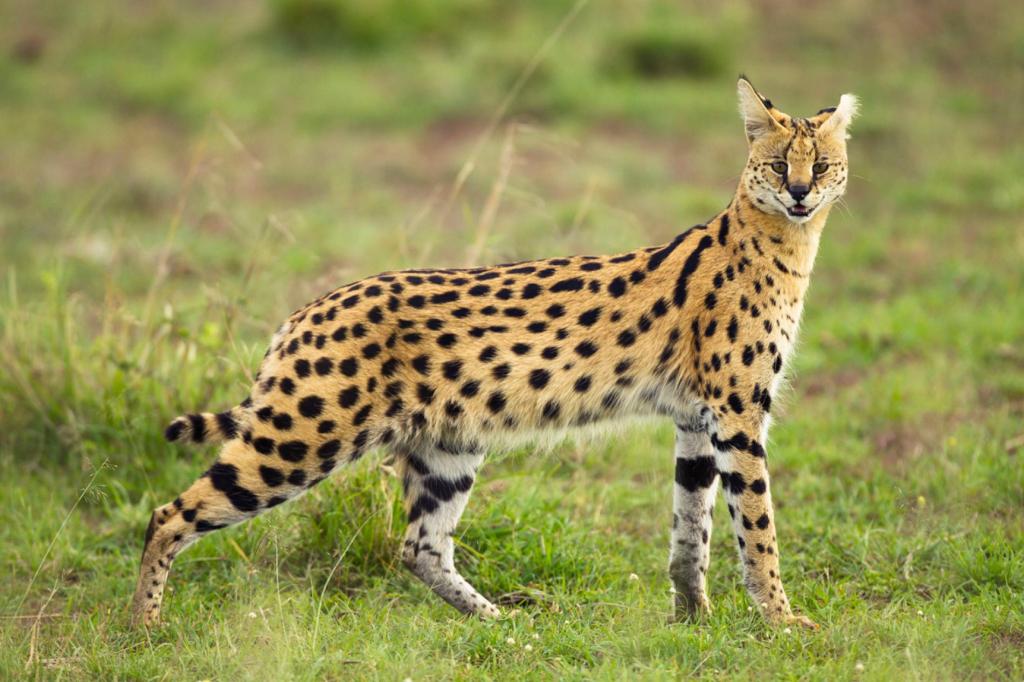
S – The Serval cat – Smaller than the leopard, and very agile and active. Hunts small mammals and birds.
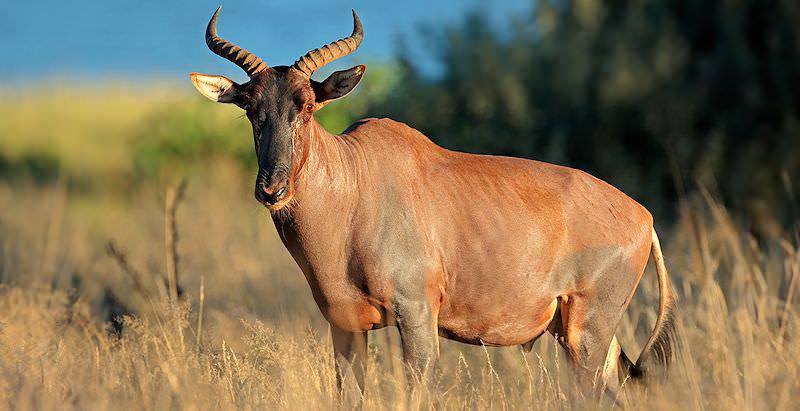
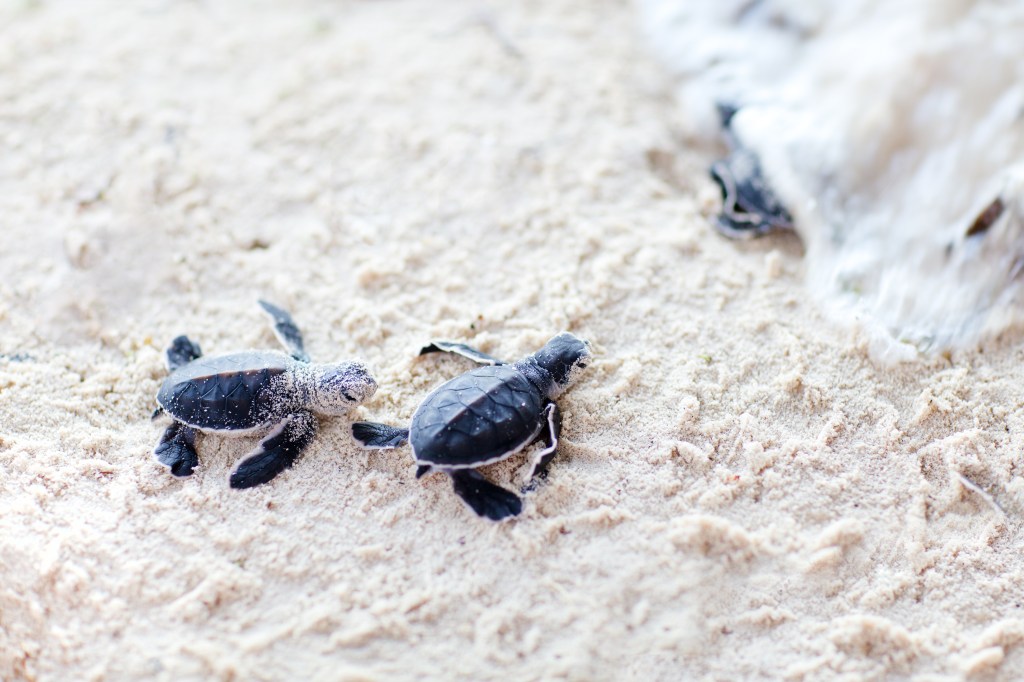
T – Tsessebe, a good one and apparently, when the lake level was rather low, some sneaked across the lake and settled on the Eastern Shores. Turtles also come to mind here…
U – “U” seems to be presenting the same problem as “Q”, although there is a baboon-like ape called the Uilapie (eng – Owl Baboon); this ape only occurs in Central Africa. Closer to home is the generic or genus name for the Fiddler crab – Uca. Once again helped out by the crustaceans – though you will find no garlic butter here.
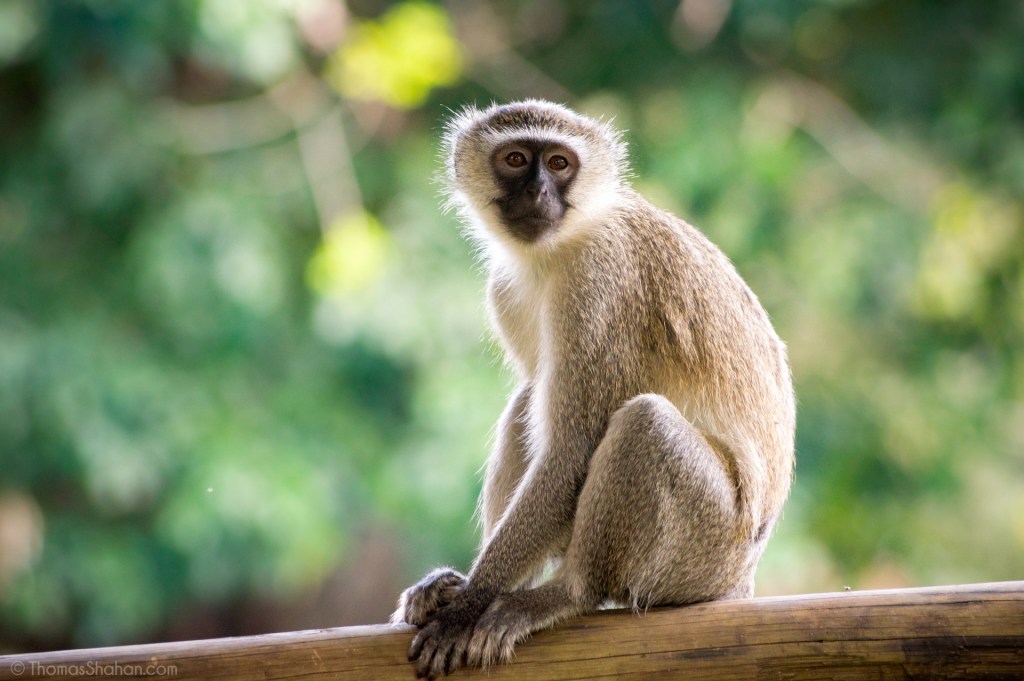
V – Vervet monkeys get this slot, not because they are a favourite, but by default, as there is nothing else available.
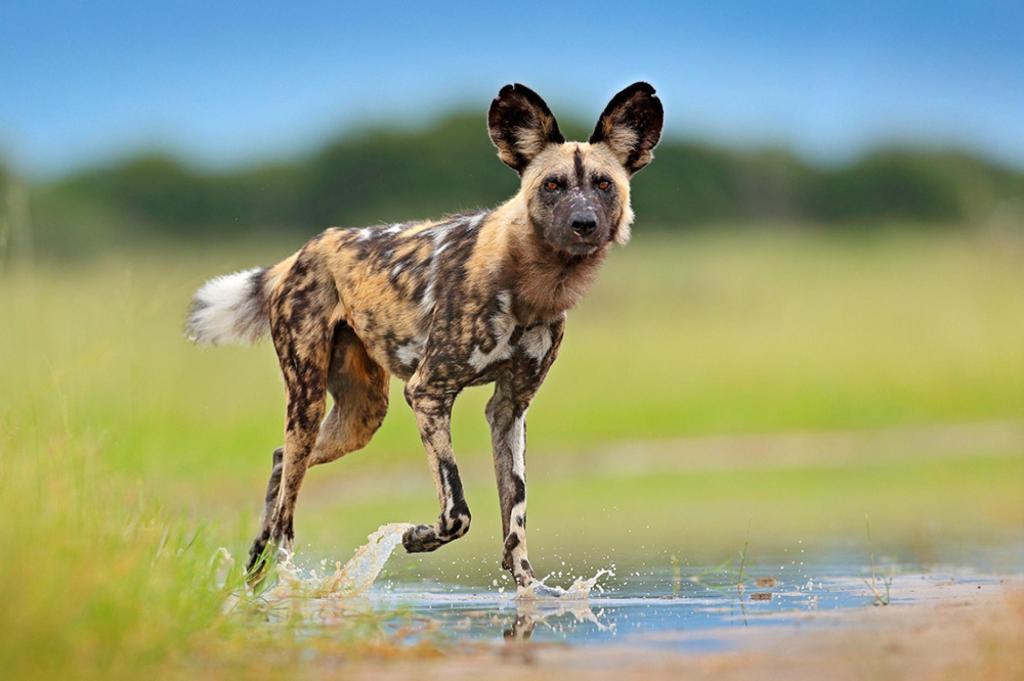
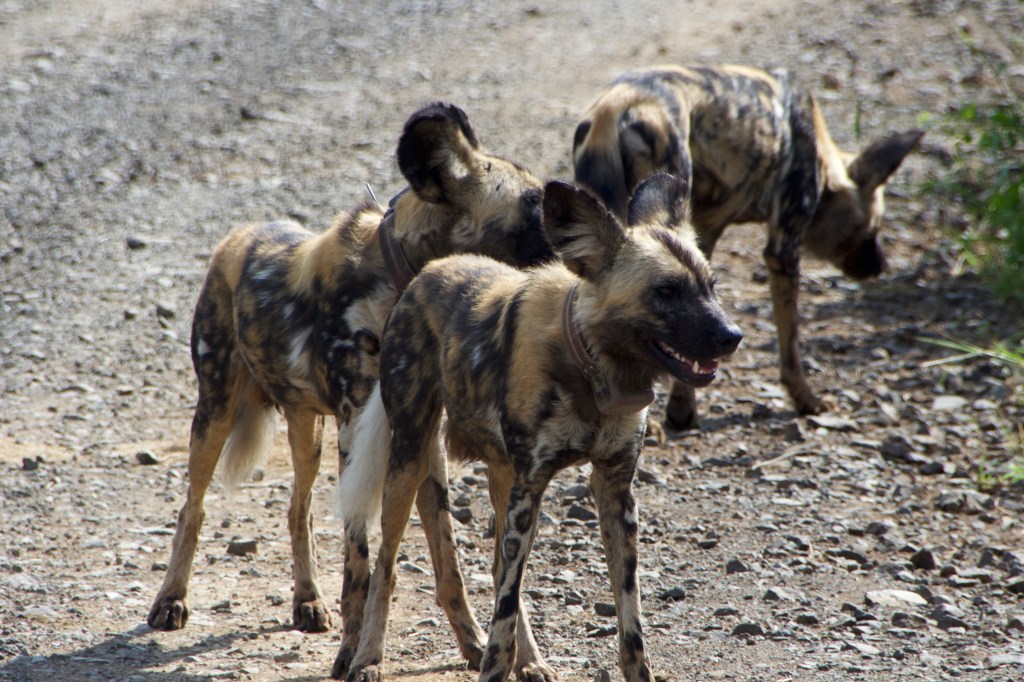
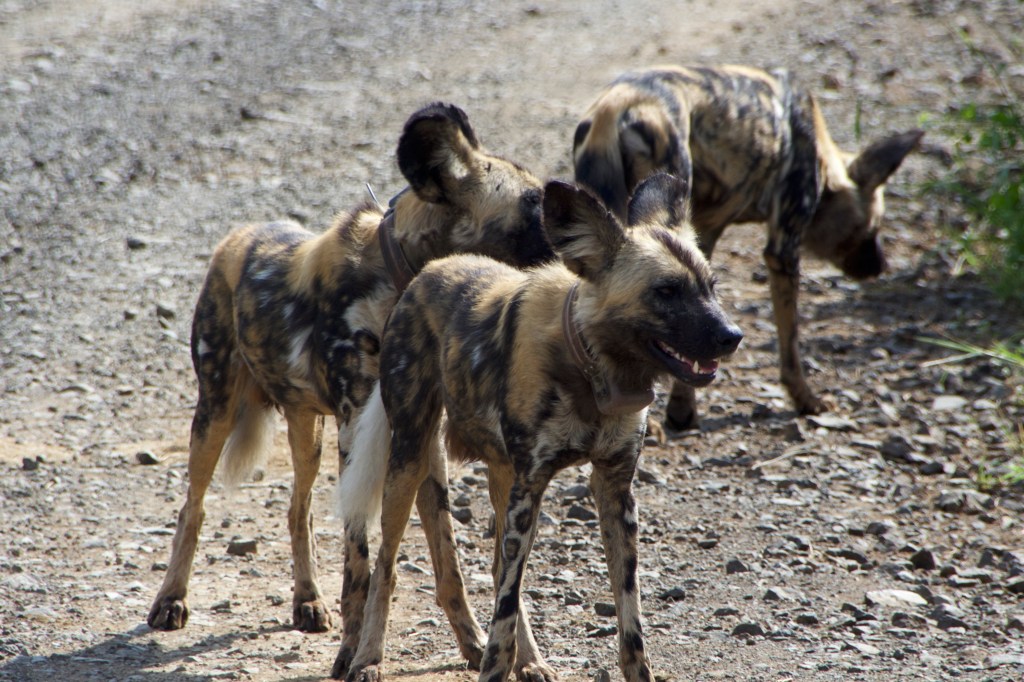
W – Wild Dogs, Waterbuck or Whales to name a few – all good choices so I have decided to leave it as WWW.
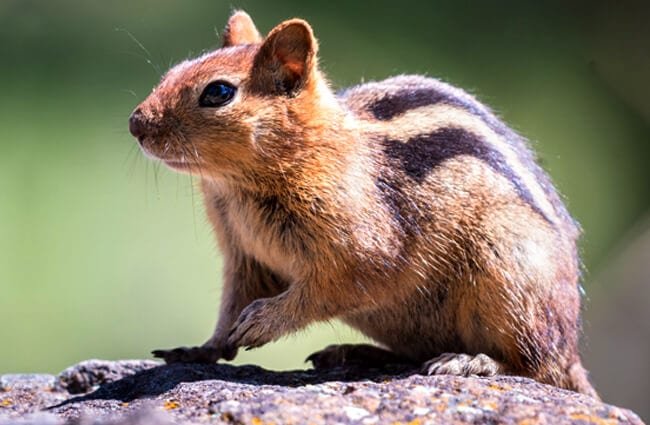
X – Here I will need to investigate something further afield. Just as I thought there was no hope, I found a listing of one mammal with the scientific name of Xeris inauris – which is the ground squirrel.
Y – Yellow House Bat, just scraped in on this one.
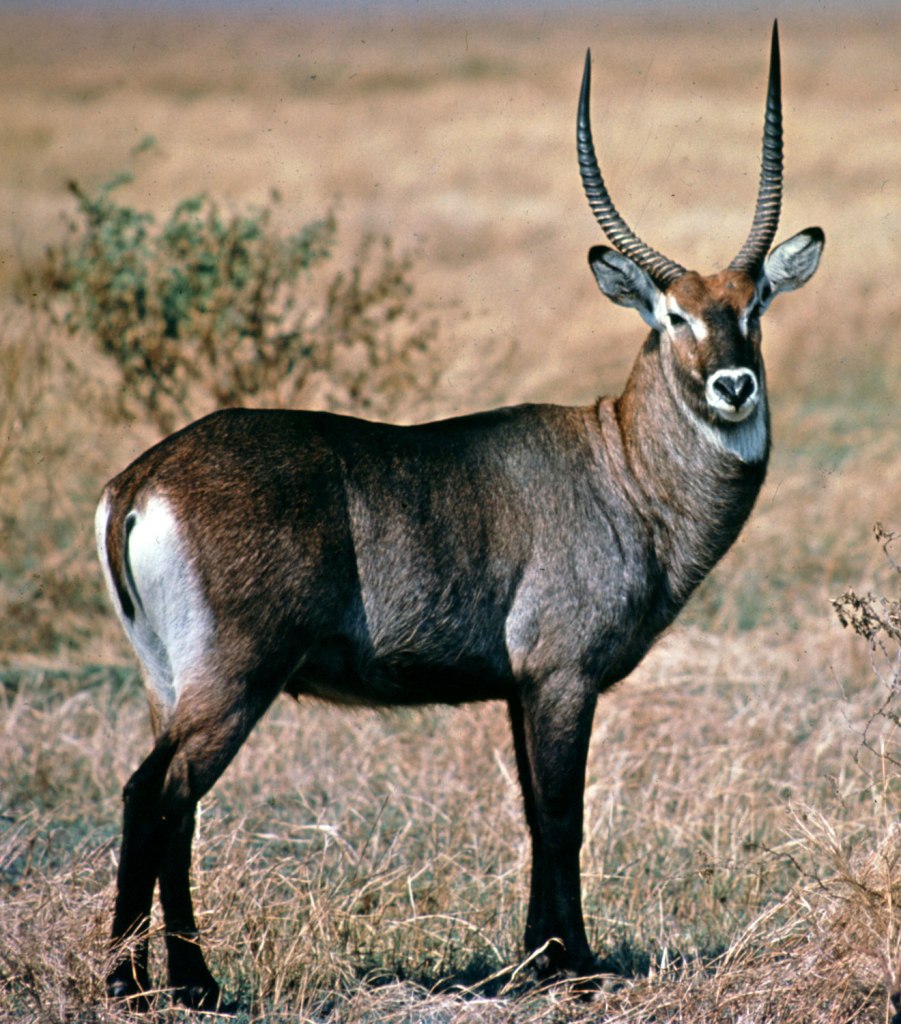
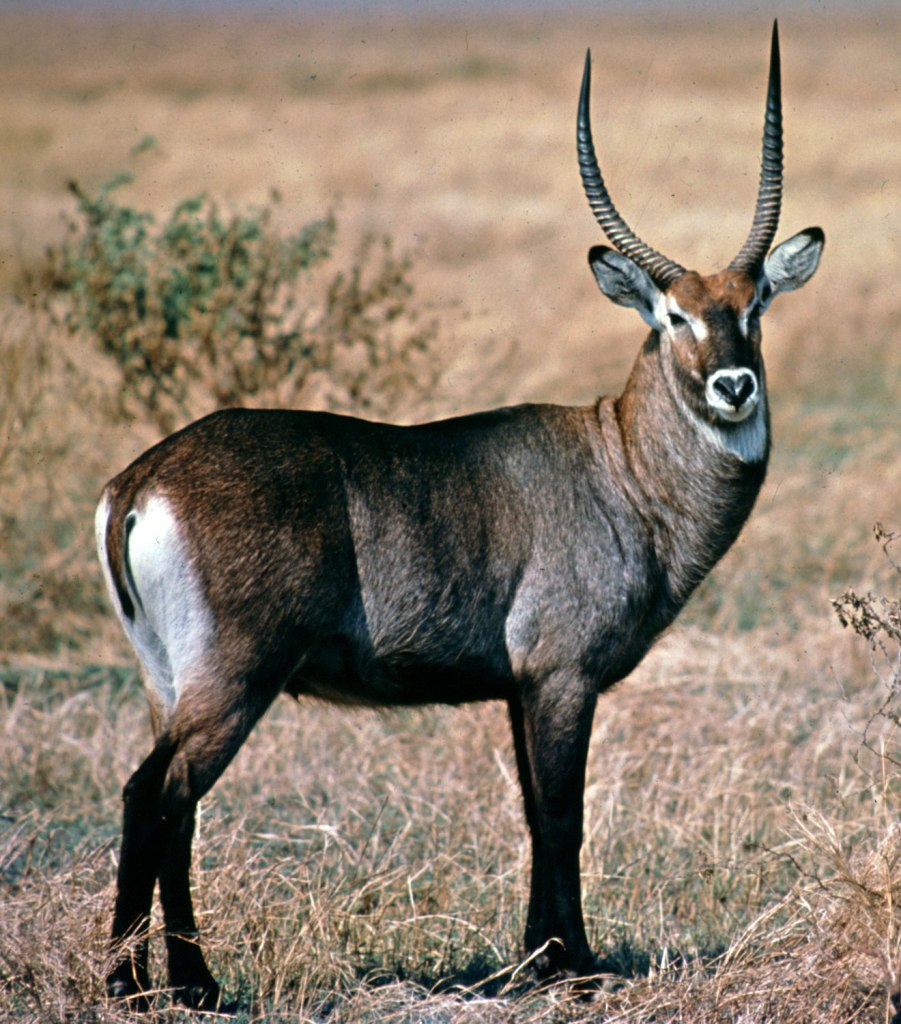
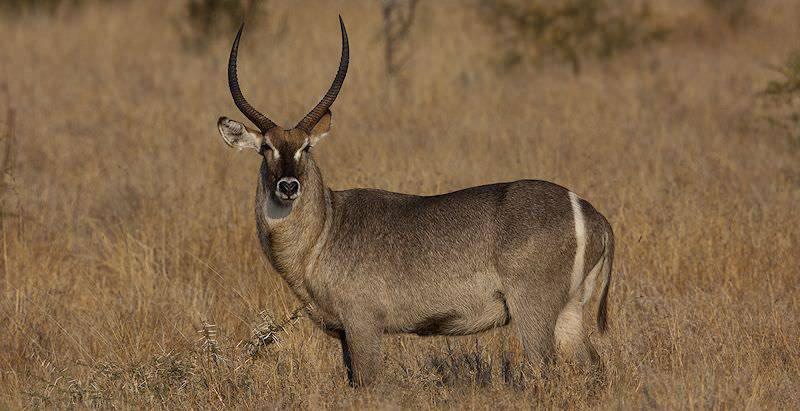
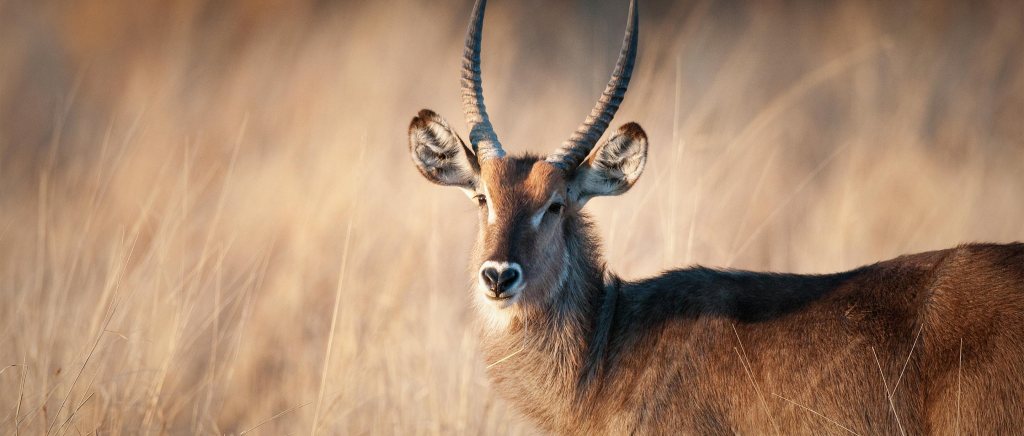
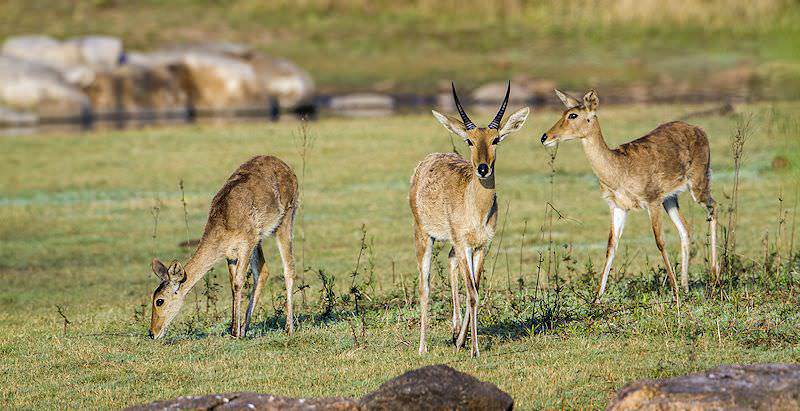
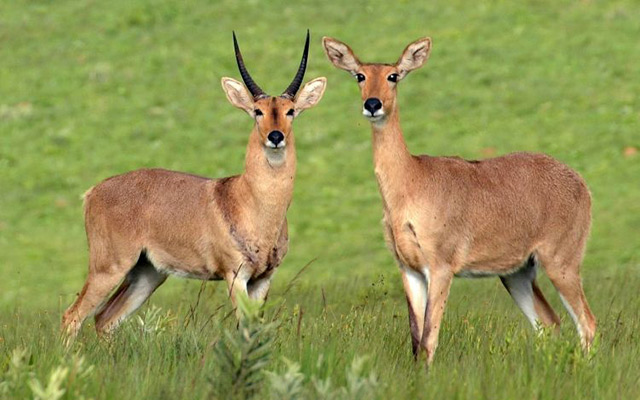
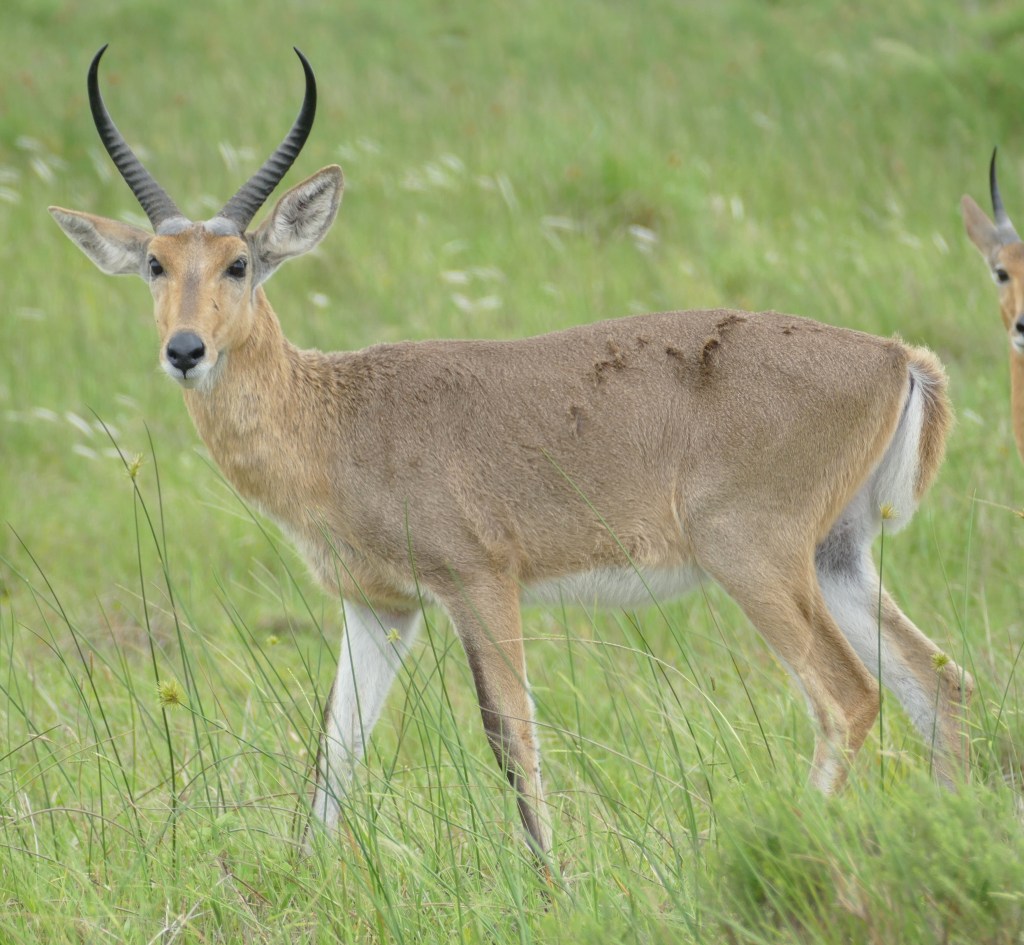
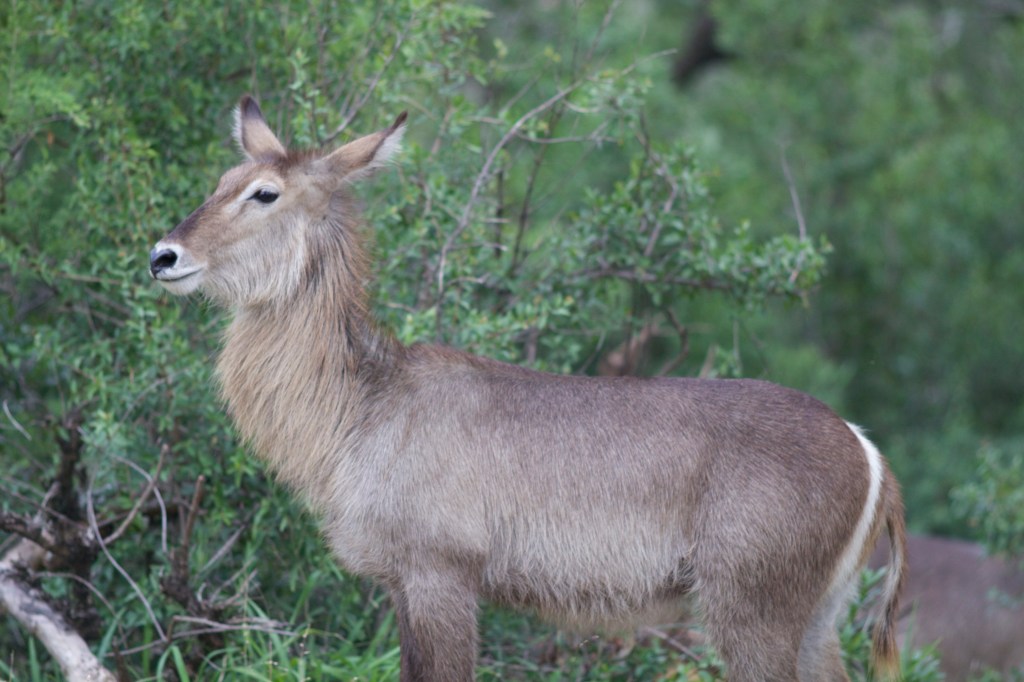
This group of antelope typifies the iSimangaliso wetland park. Here we have a group of Kobus. Kobus is the genus name of the waterbuck and it has a related cousin, the reedbuck. These two species love water, even to the point that they have ducks’ feet. They do not take to the water for a paddle on a daily basis, but they require this “footwear” to survive in the wet, water-logged conditions that they prefer. This area is South Africa’s largest wetland and hence these two species are well represented in this area.
Waterbuck The easiest way to recognise this beauty is by the large circular marking on its rump. One guest mentioned: “it is like an unfortunate birth mark”. There are a whole host of other humorous jokes relating to this characteristic waterbuck feature. Here, we have a remarkably large population of these antelope and they are wonderful in the sense that they are very co-operative when it comes to photography. They tend to stand and stare. The fact that they are grazers is also good because they are normally found out in open areas of grassland, unlike kudu that characteristically disappear behind bushes and trees just at the critical moment when you are about to click the camera trigger.
But what aquatic features enable waterbuck to be so well suited to wet conditions? They have a few unexpected abilities that are often not mentioned. Firstly, they have specialised feet, or slightly webbed feet for navigating marshland. These webbed feet enable them to walk through the marshland without sinking too deeply into the mud. Their toes open out and a flap of skin between their toes traps a small balloon of mud. This prevents the animals from getting that “sinking feeling”. Marshy wet areas also have a lot of blood -sucking creatures, so waterbuck also have sebaceous oil glands. These glands are presumed to produce an insect -repelling substance, which is not only repugnant to insects but also for predators. Ask any lion! Even the early hunters and pioneers avoided wasting effort on hunting these water loving antelope. If you are thinking of keeping a waterbuck as a house pet, avoid it. If the large size of this antelope does not put you off, remember that you will need plenty of Chanel 5. They smell as a result of their oily secretions.
They have a rather interesting social life. Here, they are considered the only antelope with the ability to produce twins. This is thought to be a response to the wet and dry cycles we experience in this area. In dry years more single births are seen. During wet years when there are more flooded areas, twinning is more prevalent.
The male society is rather interesting. Males have a great sense of social duty and throughout the year a single male is generally seen with a group, or harem of females. The bachelor male waterbuck group together. These bachelor groups have two generally accepted functions: the first is that there is safety in numbers (not too sure why, as predators don’t like to eat them). The second function is that they are always scrapping or rutting. These little fairly aggressive fights ensure that these animals learn fighting skills, until they reach a mature age, when they can challenge a dominant male for his harem. Sometimes they may not be successful, and they become satellites or sneakers. When the dominant male is not looking, they will sneak into his harem and have their way with his females. This is nature’s way to ensure a little more genetic diversity. This information is once again the tip of the iceberg about waterbuck.
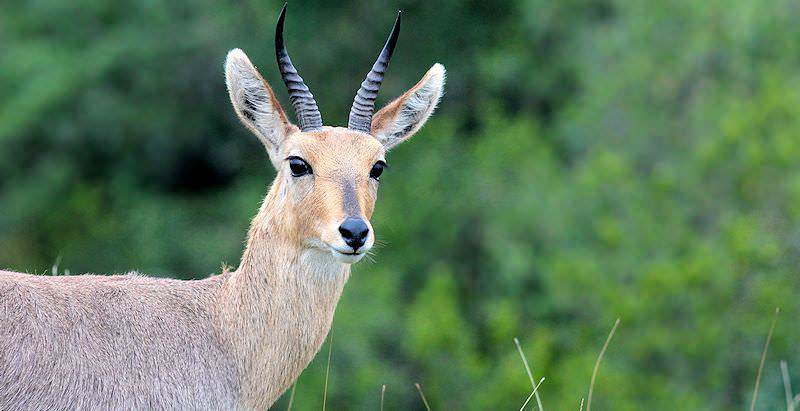
Reedbuck – the indicator species Many years ago, this area, the iSimangaliso Wetland Park, had little or no commercial value, in the sense of tourism potential. So, a plan to tame or utilise this area was put into place. This involved planting 14,000? hectares of pine trees into the wetland!
When the pine tree planting commenced, it was started in the grasslands. After ten to fifteen years, the grasslands disappeared under vast swathes of exotic pine trees. The reedbuck was then displaced and moved to areas where there was grass. Since the extent of the tree planting was extensive, there was much grazing competition in the remaining grassy areas. In addition, the pines consumed vast quantities of water that dried out many of the small lakes and swamps, changing a traditional wetland into a dry land, making it more like savannah. The option used was to cull reedbuck numbers to ensure there was no over-grazing or trampling. Over an estimated period of thirty years, approximately 20 000 common reedbucks were culled, and the population decreased from 14 500 to a paltry 2500 in the early 90’s. It was then that eco-tourism raised its beautiful head. At this stage it was decided to stop culling and initiate a rehabilitation programme to re-establish the original eco-system. Pine trees were being grown more successfully elsewhere and the price of pine wood was very low. Over the following years, clear felled areas were not replanted and in September 2007, the last pine trees were removed from this Park. This formed the basis of rehabilitating the Wetland.
Since then the numbers of reedbuck have increased, but possibly not at the rate that was expected. This has been a difficult rehabilitation to measure. Annual censuses are conducted, and it is found that the reedbuck population has not increased faster than the waterbuck population. Waterbuck have a nine-month pregnancy as opposed to the reedbuck that require six months. Two factors could be attributed to this difference or anomaly. Waterbuck can produce twins and reedbuck are eminently more edible than waterbuck. There are also more predators that are able to catch and consume reedbuck as opposed to waterbuck.
When next visiting the Park, you are far more likely to see waterbuck, but look carefully and you will notice reedbuck lying close to the ground in all the little swampy areas. When they feel threatened, they lie on the ground. The reedbuck near St. Lucia Village are in small groups of two’s and three’s, and as you pass Catalina Bay there are bigger groups of up to eight. The area around the St. Lucia gate was only recently rehabilitated, whereas the area near Catalina Bay has never been afforested, so as a result reedbuck are found in larger groups there. I invite you to check them out on your next visit to iSimangaliso Wetland Park.
We are all very familiar with Africa’s Big 5 – The elephant, leopard, lion, buffalo and rhino, so called because these five animals were the hardest and most ferocious of the big game to hunt, and when you read further you will see exactly why they are on this list.
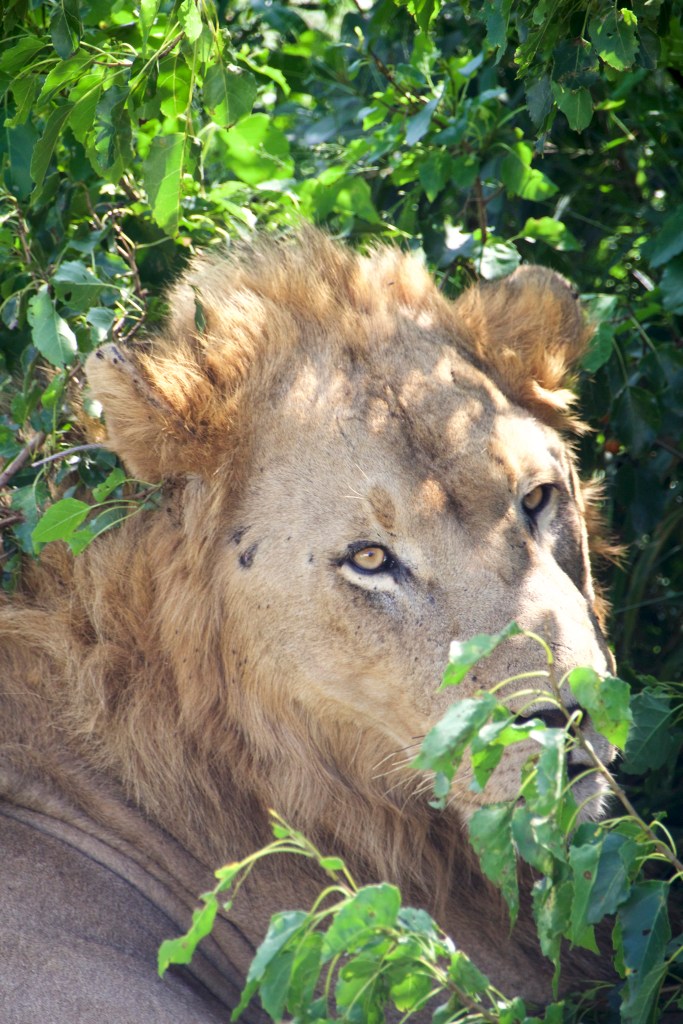
The iSimangaliso Park has 4 of the big 5. The exception being the lion. The lion prefers the grassland where it can camouflage itself and hide from prey it may be stalking. The iSimangaliso park is subtropical with palms and greenery, a little like the vegetation in the Jurassic Park movie, so not an ideal habitat for a lion. The Hluhluwe-iMfolozi Park only 45 minutes from St Lucia has the Big 5 and is one of the oldest most established Game Parks in South Africa. St Lucia is the ideal base for visiting these parks.
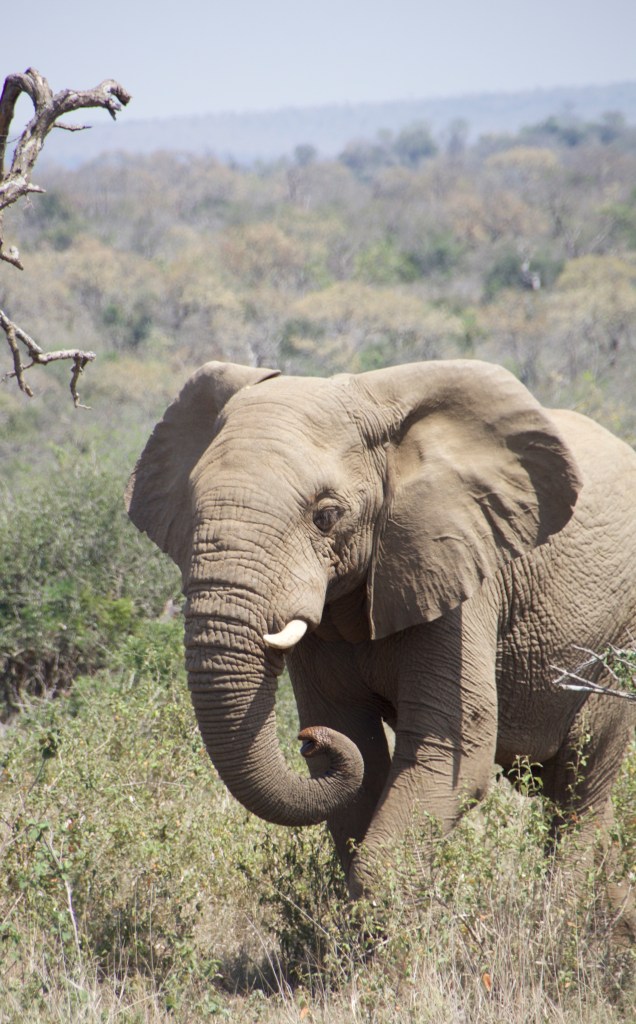
You can understand why elephants have been listed as one of the big 5 when you consider they are the largest of all the land animals, with the largest brains in the animal kingdom. They spend up to 16 hours a day eating, and in that time consume up to 250 kg of food a day and can live up to 70 years of age.
Leopards are primarily nocturnal animals; they are pound for pound the strongest of the big cats. They can leap up to 6 metres high with their prey into the trees. They are also strong swimmers, which is unusual for a cat. They can purr when content, and growl when angry, just like our house cats.
The African lion is the 2nd largest cat (the tiger being the largest). The female lions live together for life with up to 3 adult males and of course their cubs. They have the loudest roar and in lion society the males eat first!
If you ever want to tell the difference between a black and white rhinoceros don’t expect to see a colour difference, rather look at their lips. The white rhino is square lipped so adapted for eating grass, while the black rhino has a hooked lip adapted for eating twigs and stripping their leaves.
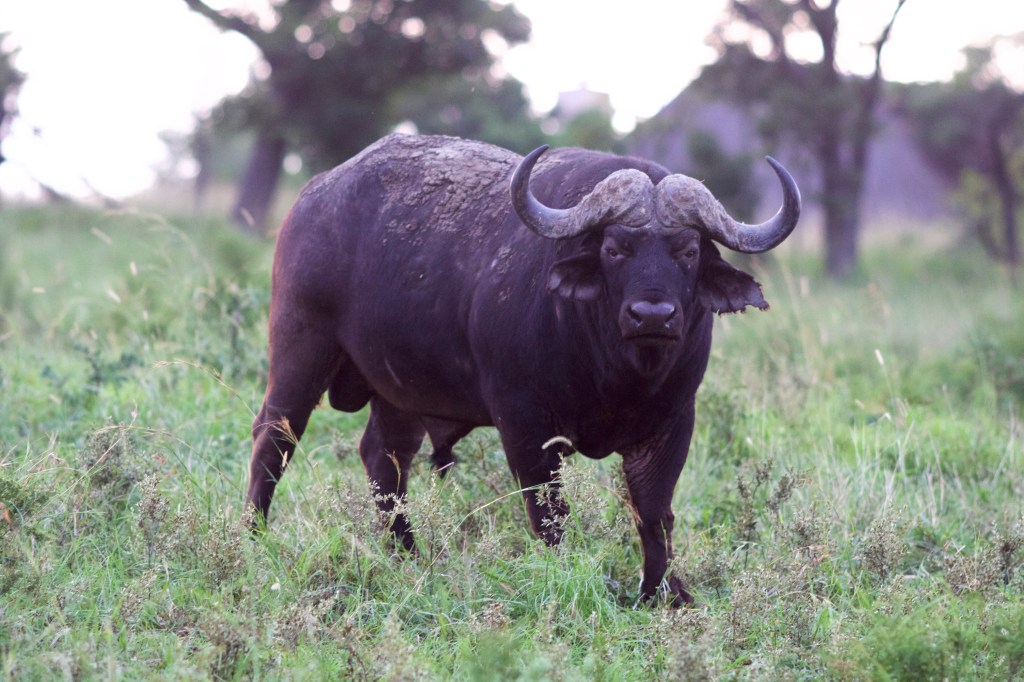
Buffalo are probably known as the meanest and most unpredictable of the Big 5. Their sense of smell far exceeds their eyesight. They are very aggressive, especially when injured and it is probably this reputation, which has put them on the Big 5 list rather than their more docile second cousin the cow.
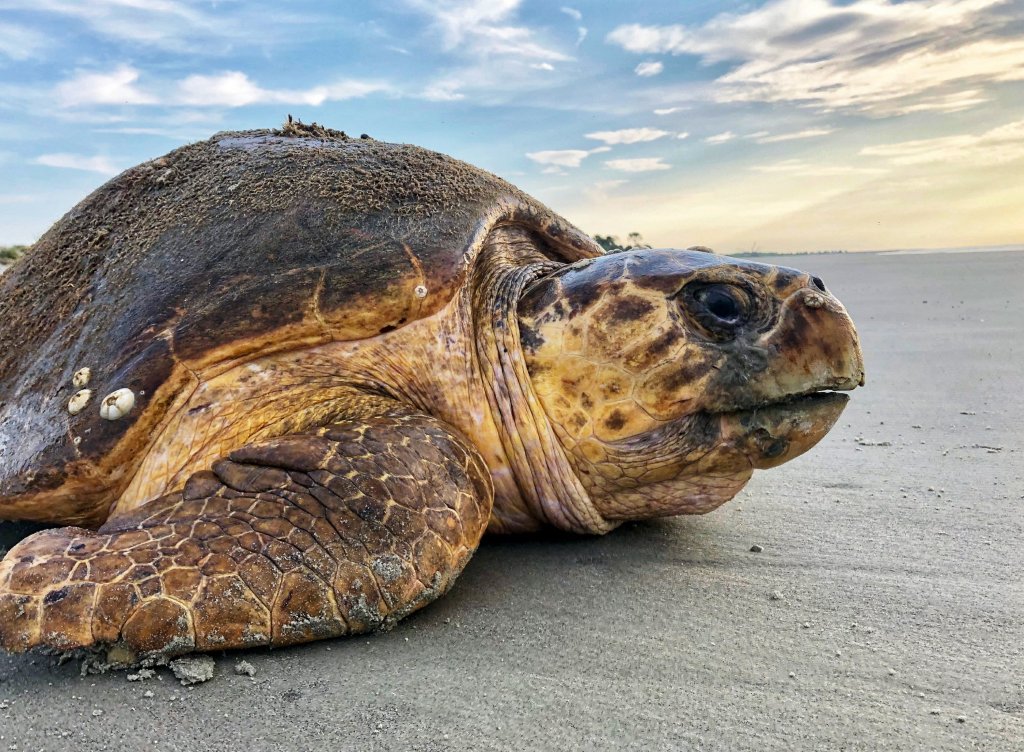
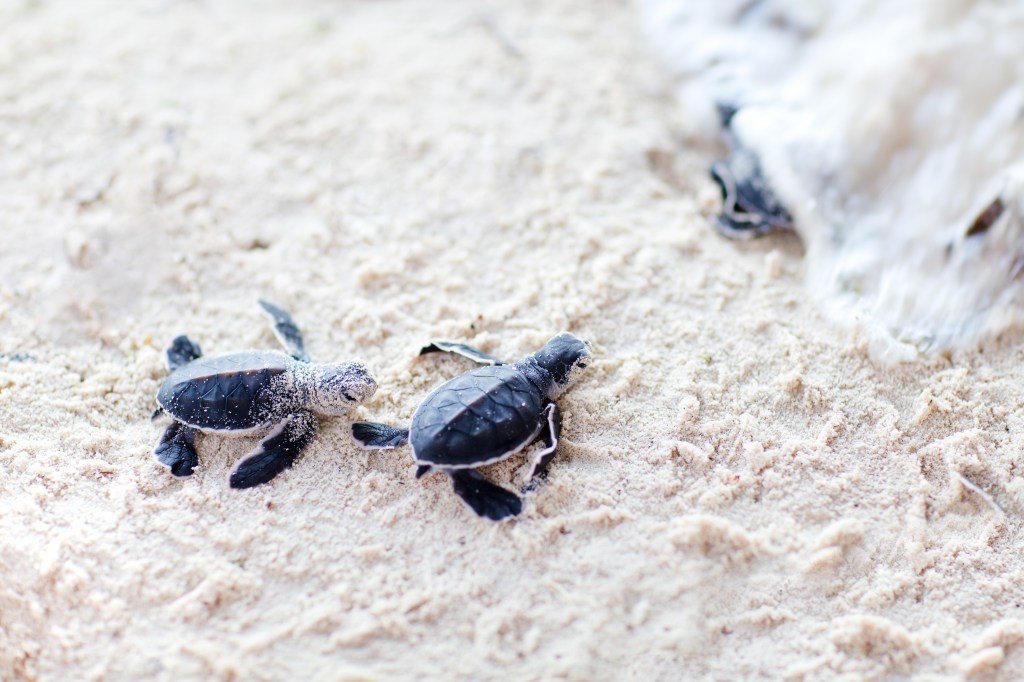
As the whale season winds down and comes to an end, so the turtle season begins. Generally, the first part of November is not the best time to witness turtles nesting, but on occasion they can be found and then we take full advantage of this rare event by observing the delicate process of egg-laying. Once the season starts in earnest, turtle tours are the best way to interact with this ancient “marineress”.
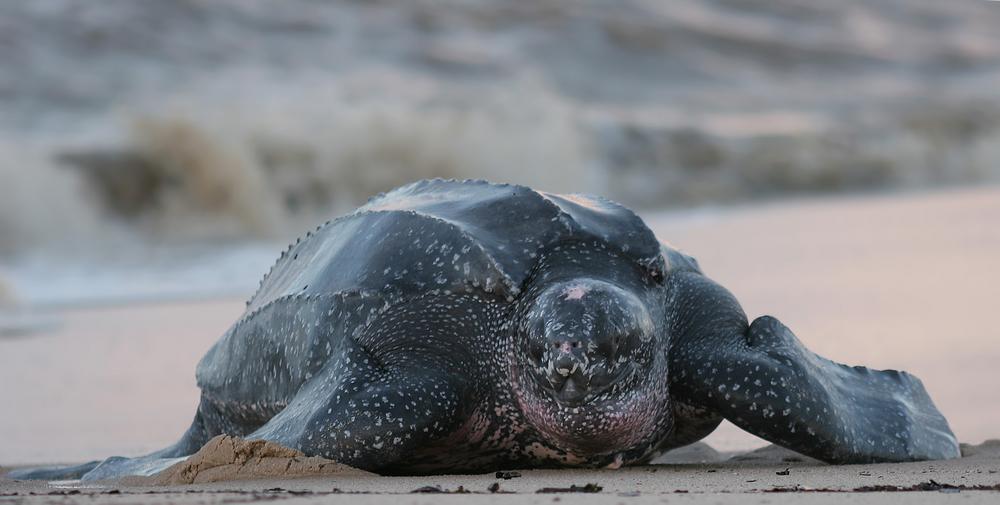
To get a full understanding of this human/turtle interaction it is necessary to briefly discuss the whole nesting process. Witnessing a nesting turtle takes patience and an understanding – they appear when they are ready. Generally, after dark the females arrive in the surf zone either two hours before or two hours after low tide. Slowly in the dark, balmy night they huff and puff their way up the beach until they seem to reach the correct nesting location. If they decide it is the wrong location, they simply return to the sea and return elsewhere to find another spot somewhere along the beach. This usually take place later in the evening.
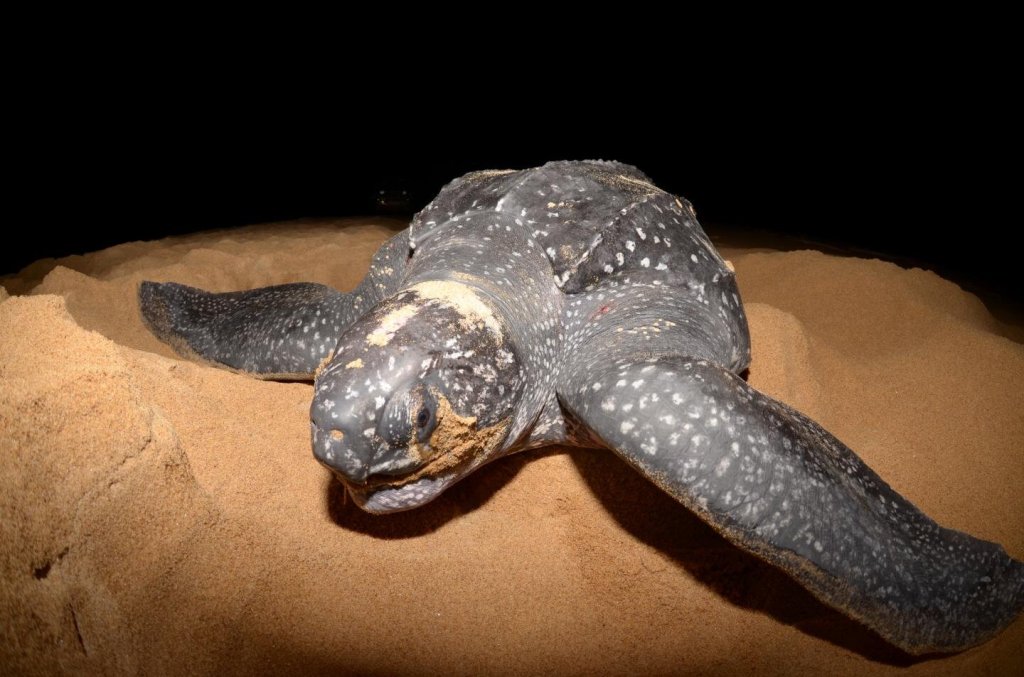
Once a female turtle has found a suitable location, she will prepare the site for digging an egg pot or chamber. Egg laying starts shortly thereafter, contractions are visible as she gently lifts her rear flippers a cm or two prior to depositing between one and four eggs. When the ovipositor descends – we know it is possible to get really close to the female and witness her egg-laying. The female at this stage is in an egg-trance. Something I refer to as a “genetic epidural”. Once the eggs have been laid, she covers the nest hole. Carefully compacting loose sand into the chamber, thereafter flashing sand all over the nesting area to disguise the exact location of the egg chamber. Once complete she heads back to the beach, and a gravity free environment – the dark warm enticing Indian Ocean.
On one particular night we were fortunate enough to see it all. We arrived as a giant leatherback emerged and two and a quarter hour later, we witnessed her departure. Most people are stunned and silenced by this ancient ritual. However, in this particular instance a voice came from the back of my group and asked: “How would you know if that was a male or female turtle”. Surprisingly questions like this among guests are frequent after witnessing something so profound. It is more a desire to connect and express an emotional state, which often comes out in the “wrong question” like this one did.
We walked back up the beach humbled and in awe of what we had just witnessed.
Kian Barker, owner of ShakaBarker and night drive guide extraordinaire on occasion has been known to hop in to one of his vehicles and host the night drives offered by ShakaBarker. His years of experience are invaluable, and in this blog, he explains the Ark effect and his personal observations to us gained from guiding in the iSimangaliso Wetland Park.
Day and night trips always reveal interesting aspects of animal behaviour. Many people have experienced a day safari, but few venture out on a night trip. I would go as far as to say that at night it is more intense. When spotlighting an animal, one is focused on that particular subject, whereas in the day there are all sorts of distractions. These distractions could be the scenery, other animals, birds, or even other tourists. So, in the case of a night drive, the focus is concentrated on one particular subject at a time.
This can make it easier to determine animal patterns and gathering, hence the topic of the Ark Effect. There are certain weather conditions that create this feature. In fact, one simple phenomenon is responsible for the Ark effect, combined with a geographical feature. The weather condition I am referring to is the south wind, which normally is present prior to, as well as during the presence of a cold front in this area. The geographical feature is the shape and orientation of the Southern end of the iSimangaliso Wetland Park. As you enter this part of the Reserve, it reveals itself as a narrow waist that spreads northwards to Cape Vidal, getting broader and broader as it moves northwards. When the south wind blows, browsers and grazers tend to move into and across the wind. Eventually the populations of kudu, bushbuck, zebra, buffalo and wildebeest get sandwiched into a fairly confined area, due to the fence line separating the village of St. Lucia from the Reserve.
When embarking on a night drive when there is a south wind blowing, one may anticipate that good numbers of animals will be found gathering in the fenced area separating the Reserve and the sleepy hamlet of St. Lucia. Why do we get this particular phenomenon? Well, herbivores tend to graze or browse into the wind for two reasons: predators are easier to detect, and plants react to grazing and browsing. Generally, once certain plants have been eaten, they become toxic or bitter, which represents an attempt to get the herbivores to move away. Plants also tend to release pheromones into the wind, which stimulates the plants situated downwind to become bitter and toxic. Therefore, animals are left with two choices: to move downwind and get poisoned, thus being at risk of being attacked by an undetected predator, or to move into the wind to get sweeter vegetation, which gives them an advantage over any predators in that they are able to detect them more easily.
The long and short of it here is that these animals gather along the fence line, which they are then unable to get through. This gathering makes it appear as though they are almost in a queue to board Noah’s Ark. This effect is especially visible during the night, when the spotlight moves from one group of animals to the next, without the distraction of scenery!
Before departing on this evening’s night drive, I was told that the guests from the last tour reservation accepted that day would like to see a leopard (hopefully in the singular). I commented somewhat “tongue in cheek”, “Gee” they are easy to please”, as leopard are totally unpredictable. The caller was used to these comments from me, as this type of banter was typical of our conversations from time to time. So when the moment of arrived for our night drive, we departed with a vehicle brimming with flasks, hot chocolate and rusks*. After collecting all and sundry we headed towards the iSimangaliso Wetland Park, under the cover of darkness.
Chameleons and bushbuck were plentiful – cold – and warm-blooded critters. In fact, after a sprinkling of rain there are always plenty of animals. Even the nightjars were 20 to the dozen, and although there was no moonlight for them to hunt moths, they seemed fairly optimistic at the potential of the clouds clearing and moonlight re-appearing to aid their feeding. We had just listened to a chorus of frogs, when we happened upon a very large leopard. When locating animals there is a certain predictability, the location and plant life attracts certain animals, or there are traces of their activity – like droppings or feeding evidence. Leopards are unpredictable. One moment you are bouncing along in the vehicle, and the next minute you have this remarkable beast in your spotlight. In this particular incidence it was a very large and well-proportioned cat. “Leopard, leopard” was the call from those in the vehicle, which brought us to a dead stop. Since this male was close to the road and definitely out on a hunt, it was a great sighting. In that moment I had a lot of very pleased guests. This particular male was fairly relaxed, and we managed to follow him a short distance. After leaving this spotted cat we turned onto the Cape Vidal tar road and headed north.
Now, one of the nice things about our resident population of buffalo is that they can be regularly found resting in the road at night. This is what happens when you are a ruminant, (A ruminant is an even-toed, hoofed, four-legged mammal that eats grass and other plants). You tend to lie down and start regurgitating grass with no due concern to the possible presence of night traffic. We see this often on tar roads in the reserve, as there are few ticks or bugs on the road, and it is possible for the adults to watch out for potential predators.
When finding buffalo on the road like this, they are often reluctant to move. So, barely 200m North along the Cape Vidal road I noticed a ‘line of eyes’ across our path, with what looked to be a herd of buffalo. So, gaining a little speed I flicked off the engine and glided up to what I predicted was the herd of buffalo, but when we closed the distance, five hyenas filled the road. This pack seemed to be going nowhere. And at that moment I almost expected them to walk up to the vehicle and demand. “Passports and driver’s license please!”. This was the first time that I had seen five hyenas in the park on the road. Later we did find a herd of buffalo standing in the road, so I was redeemed by the buffalo and educated by encountering this new pack of hyena.
This excerpt is from Kian Barkers chronicles (owner of ShakaBarker and Eco Lodge.)
*Rusks (a light, dry biscuit or piece of twice-baked bread, traditionally South African eaten with coffee or tea and sometimes hot chocolate). These are a totally foreign concept to Germans as is cricket. Shoving a rusk into a cup of hot chocolate … well this habit is only permissible in South Africa. Never try this with a slice of bread and God forbid a Marie Biscuit.
The St. Lucia Crocodile Centre is situated only two kilometres North of St. Lucia at the entrance to the iSimangaliso Park. The centre offers an exciting and informative outing for visitors who would like to know more about the lake system, and one of the world’s oldest and most fascinating animals – the crocodile.
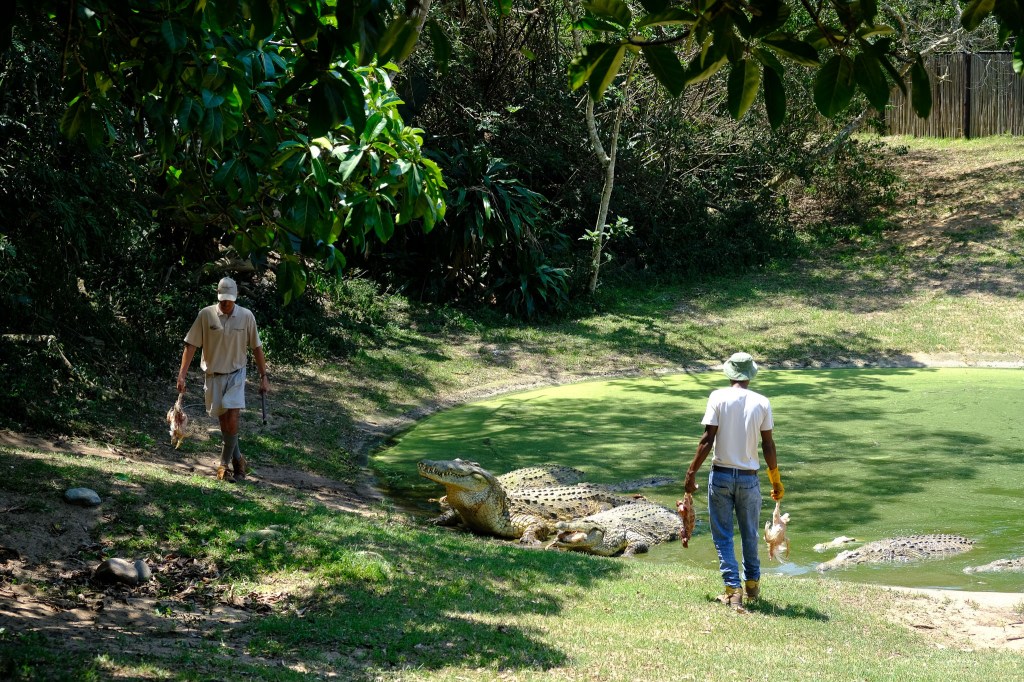
Food is ready!
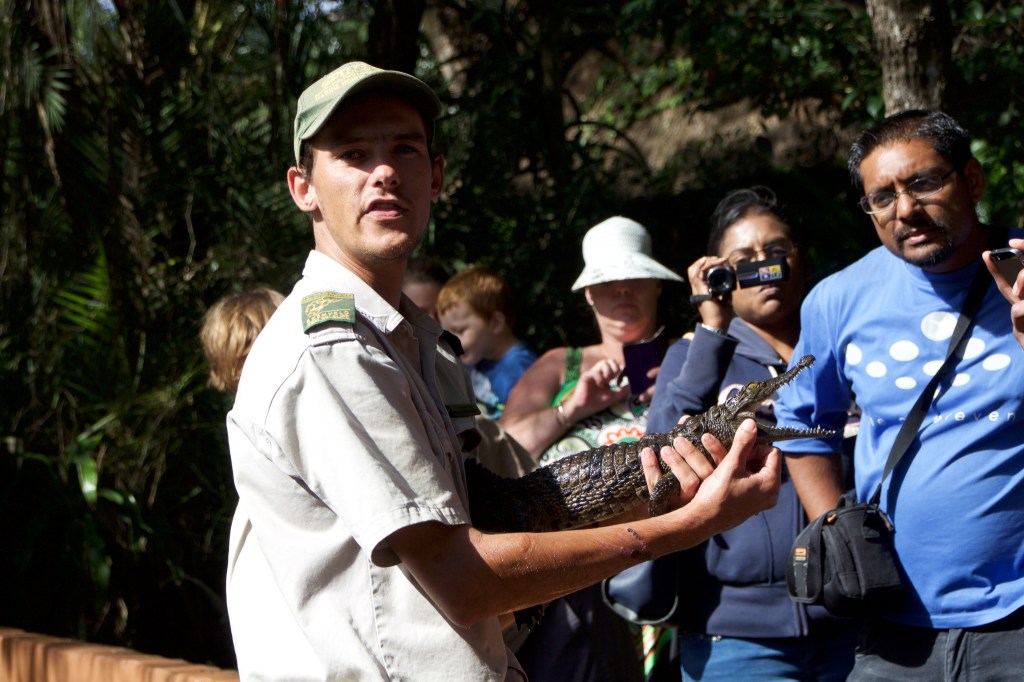
The crocodile centre serves as a centre for crocodile monitoring and research. Crocodiles are a protected species in KwaZulu-Natal and all problem crocodiles that lurk in highly populated areas are relocated to less densely populated areas. If they return, or become a further issue in their new location, they are relocated again. On the third strike they have the potential to become a serious problem to villagers and are captured and translocated to the Crocodile centre, rather than being destroyed. These problem crocs can all be seen at the Croc Centre, and our very own Crocodile Dundee will enthrall you with the tales of horror on the adventures that ensued during their capture and their retirement to the naughty corner in the Croc Centre.
Crocodile Dundee with a youngster
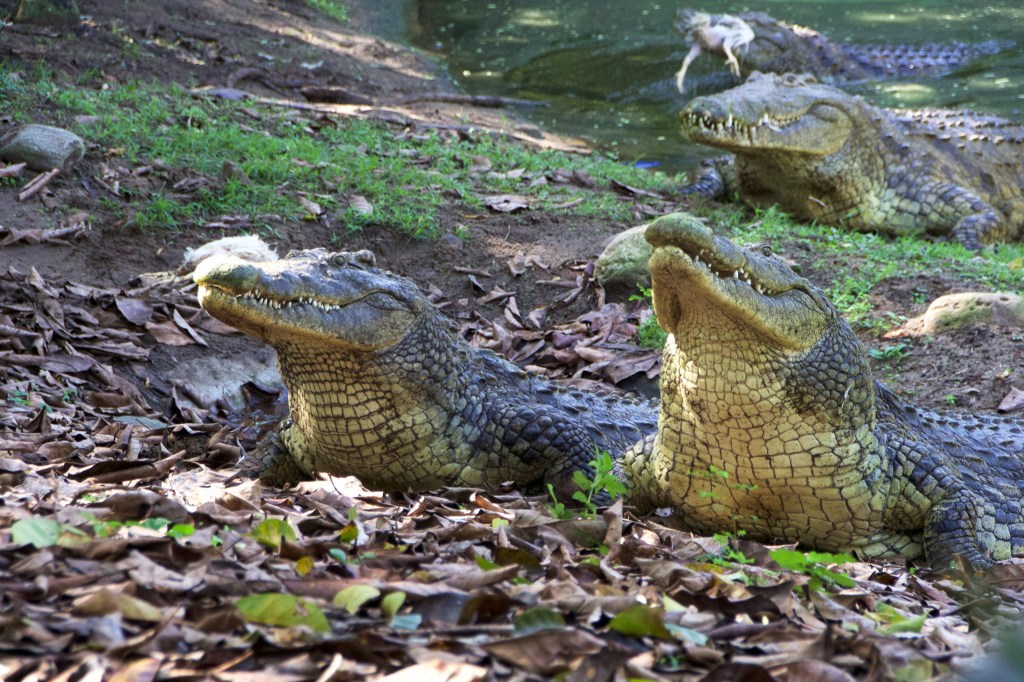
In the various crocodile pond enclosures, all the African species of crocodile can be seen: The Nile, the Long Snouted and the Dwarf crocodile. For comparison there are also American alligators and caymans. The crocodiles on display range in size from hatchlings to specimens of up to four metres. One of our more infamous residents, Bubbles the Alligator blows bubbles through his tear ducts when he’s unhappy – It just so happens that Crocodile Dundee the resident croc whisperer sets Bubbles off every time.
I want food. Now
The route through the crocodile centre to the various croc ponds is a short trail where many of the trees indigenous to the Zululand coast can be seen. The crocodile centre attracts a large variety of birdlife and during the breeding season, spotted and thick-billed weavers nest here in large numbers.
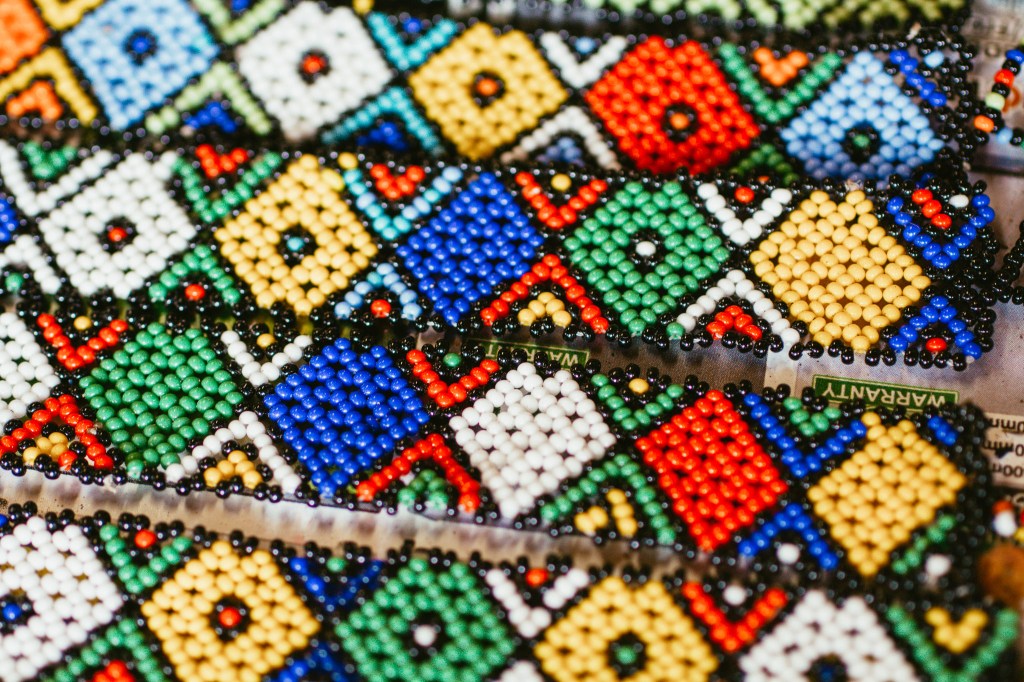
The crocodile centre has a large, well-stocked curio shop offering an interesting selection of books and souvenirs. Their range of traditional Zulu crafts may also appeal to the overseas visitor. You do have to pay a small fee to enter into the crocodile centre.
A fascinating place to visit situated next to the entrance to the iSimangaliso eastern shores. It is a research centre, rather than a zoo, and as such, is committed to the well-being of the crocodile population. The best time to visit is over a weekend when they feed the crocodiles.
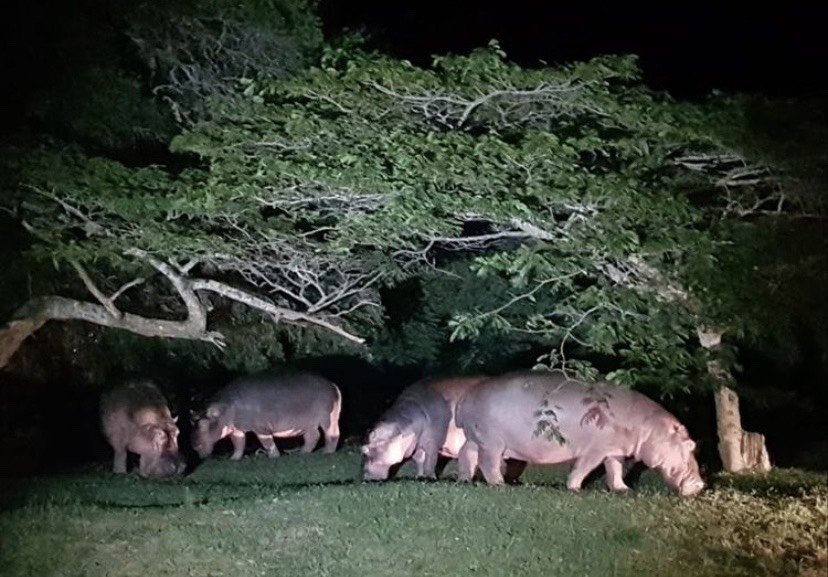
What do you think about when you think of paradise? You probably think of some place with a nice warm climate, a safe and friendly environment, and with beautiful surroundings – Probably somewhere in nature, or on a beach where you can escape from the city. For us Africa lovers with a keen sense of adventure, a place where antelope, mongoose and leopards forage in the town backyards, and hippo roam the streets at night would be a good start! Believe it or not there is such a place, and it’s called St. Lucia, on the east coast of KwaZulu-Natal.
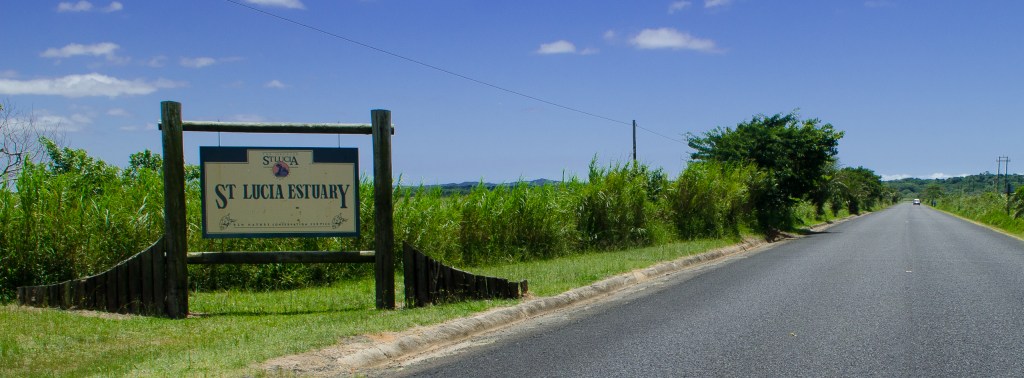
With only one road leading into town, St. Lucia Estuary is probably the only town in the world, which is surrounded by a World Heritage Site, situated in the iSimangaliso Wetland Park. It is home to 800 hippos and 1200 crocodiles and a few bull sharks. On the East it is bordered by the warm Indian Ocean, and on the North the Eastern Shores section of the iSimangaliso Wetland Park.
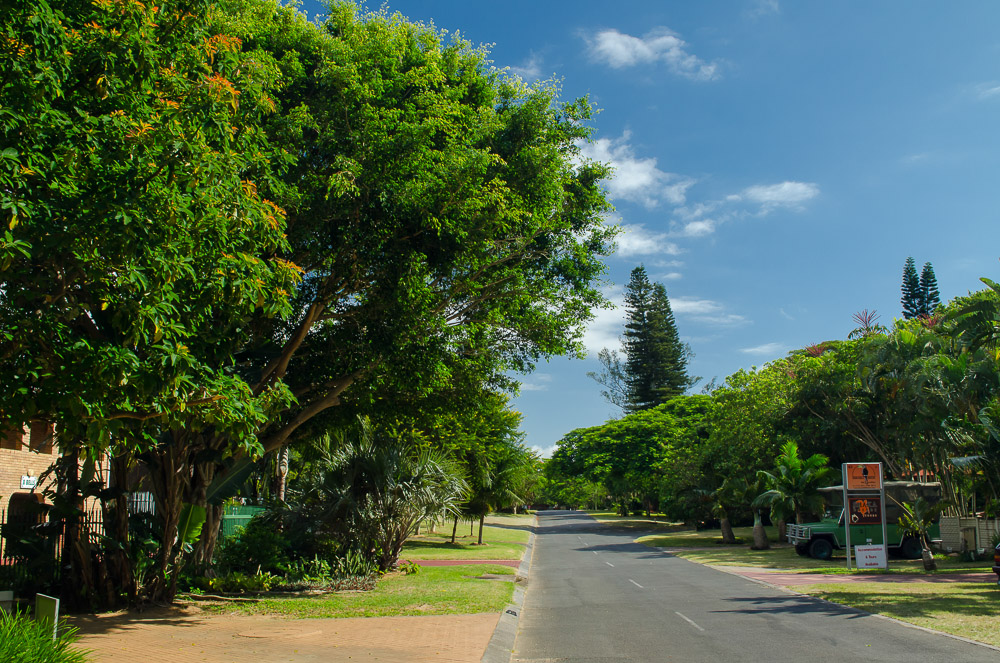
The town itself has one ‘main street’ flanked with shops and restaurants. The remaining streets have a park-like appearance, and the subtropical climate makes it green year-round.
Antelope, leopard, honey badger, mongooses, bush pigs and hippos have all been seen foraging in town. The hippos are known to walk around town every night, so when you are here, take a drive around town around 9:00pm, and you should find at least one somewhere.
There are so many activities to do St. Lucia!
A must do is the hippo & croc tour along the estuary. See hippos, crocodiles and a myriad of birdlife, all mere meters away from the boat.
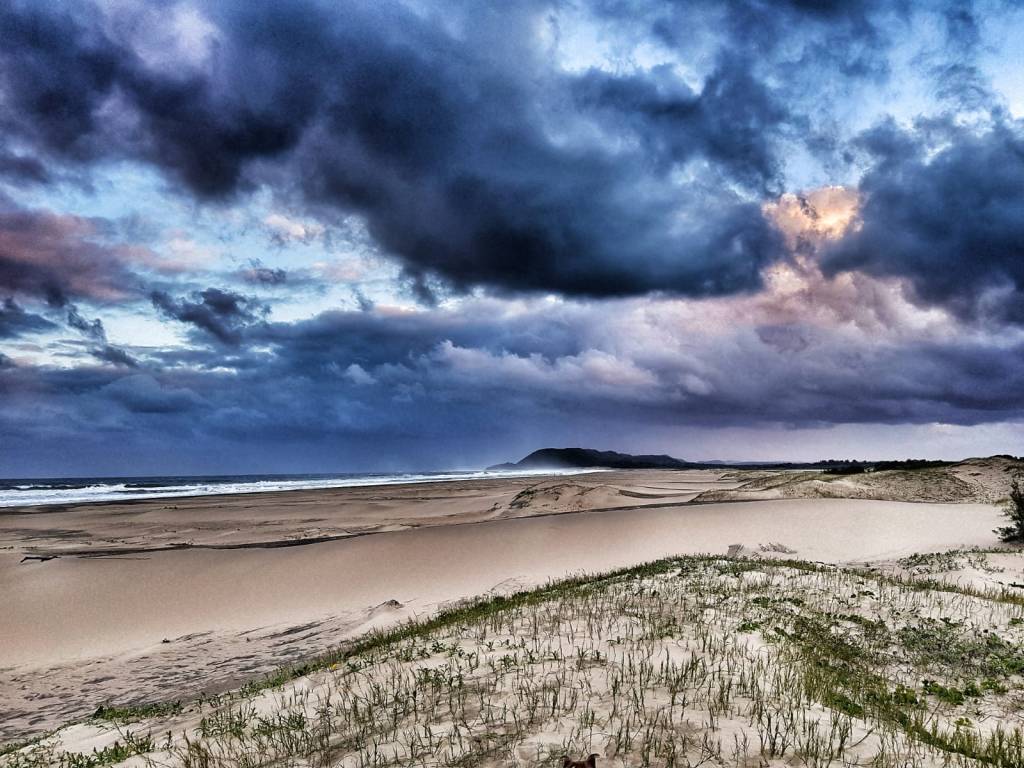
Go for a walk on the endless beach or have a swim!
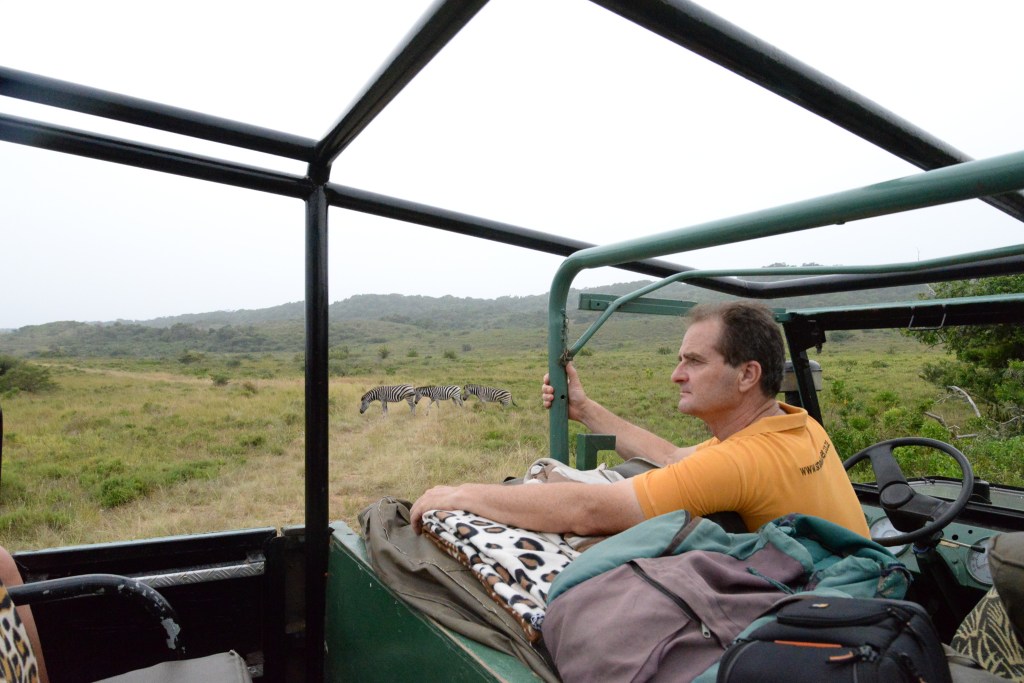
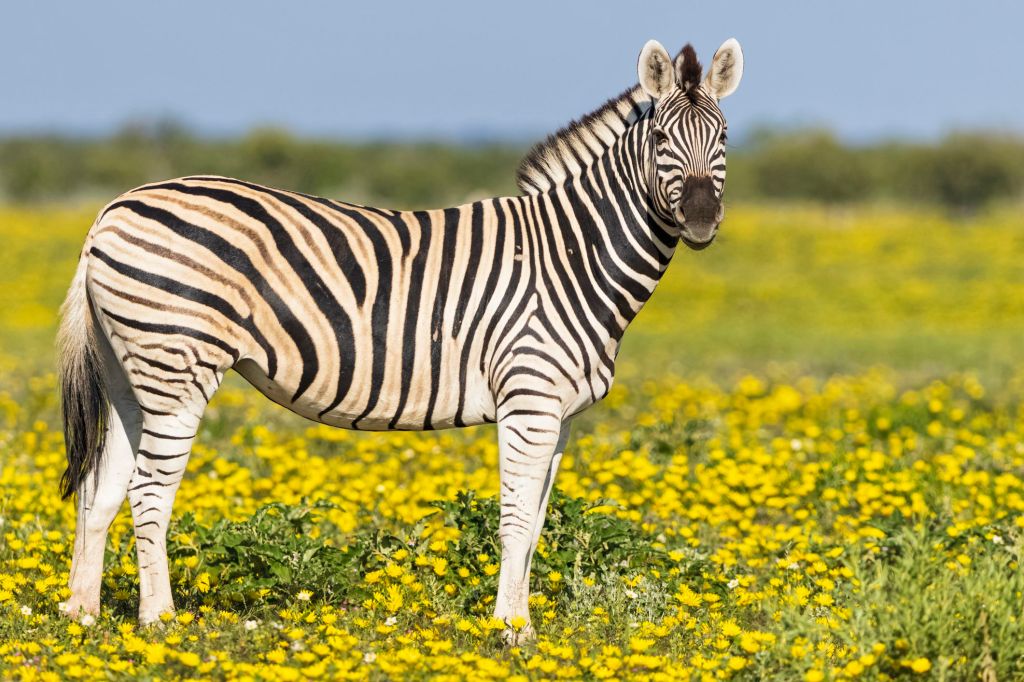
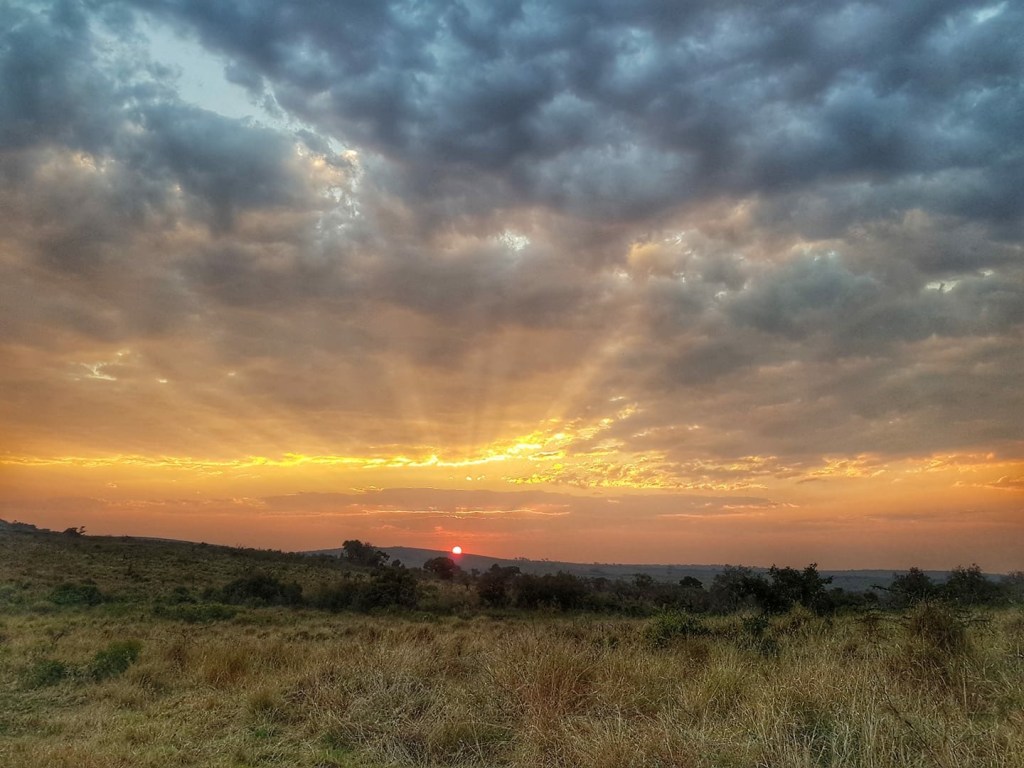
Or walk through the savannah amongst zebra and antelope! Where else can you do both on the same day?
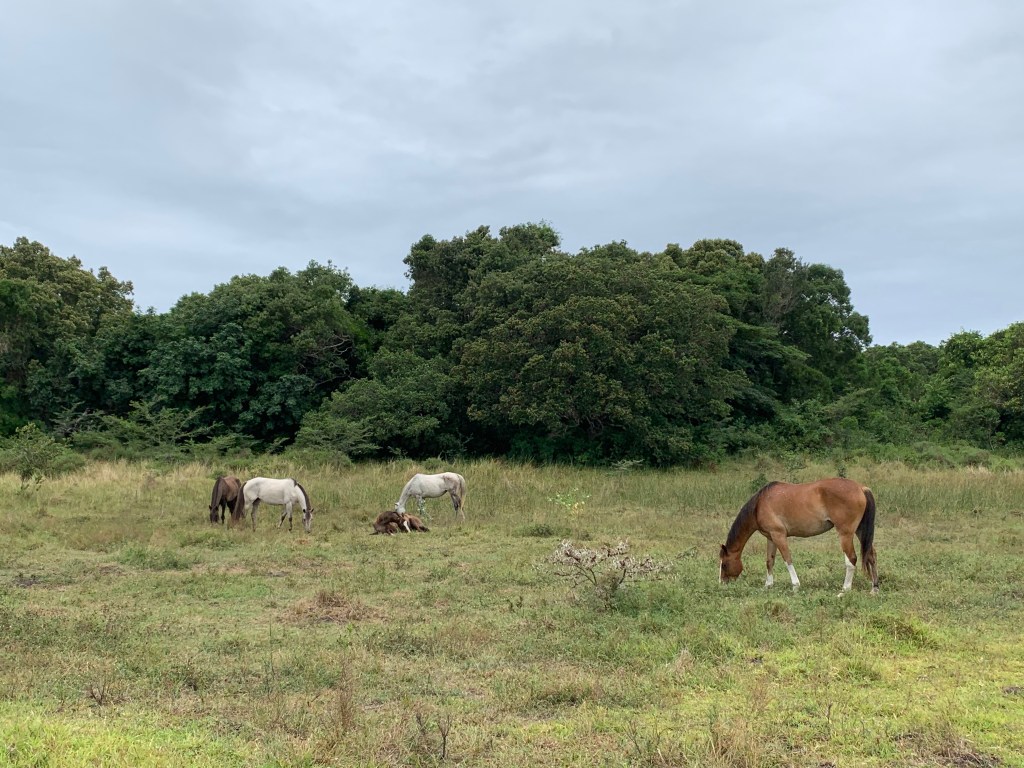
You can go horse riding in the bush or along the coastline. You’ll be amazed how close you can approach zebra and wildebeest when you’re on horseback.
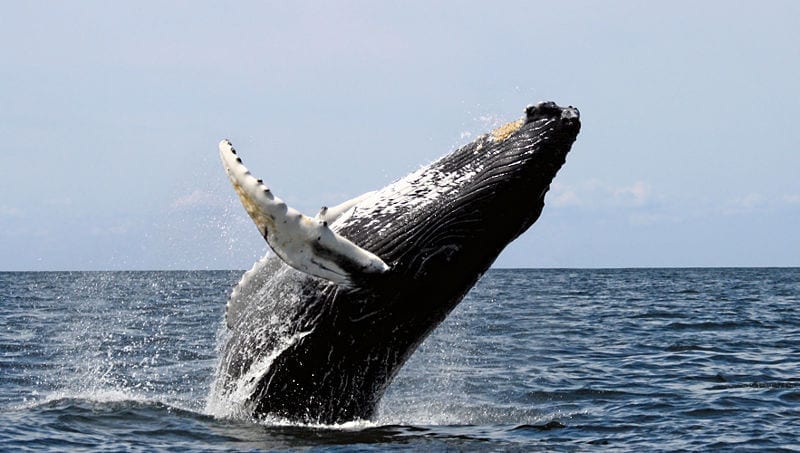
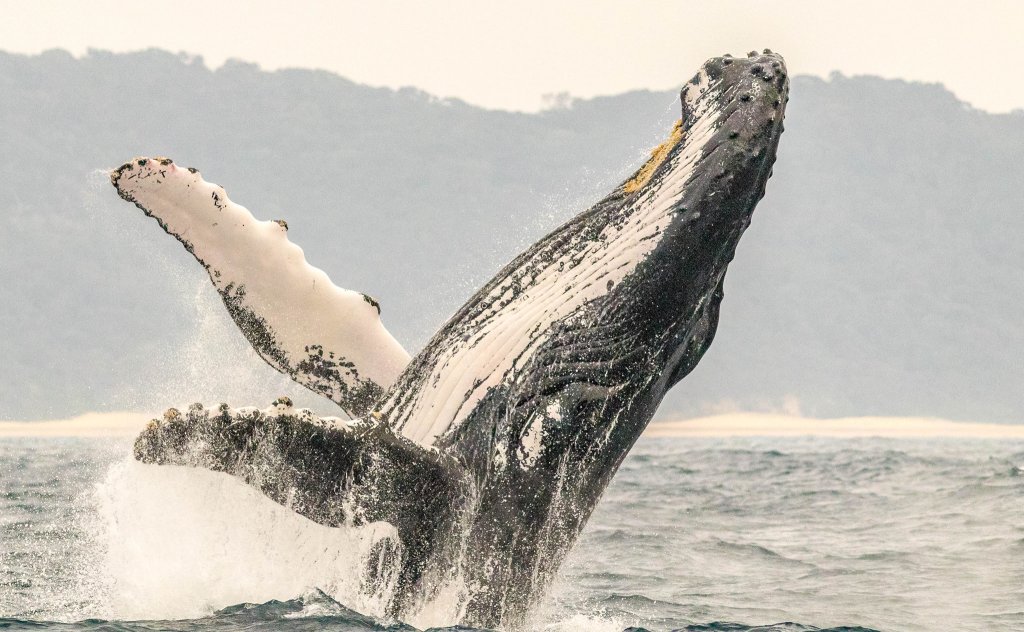
And what about an adventurous activity such as Whale Watching! See humpback whales breach less than 50m from the boat, or spot dolphins surfing the waves.
Of course, you could go on a fantastic game drive in either the Eastern Shores bordering St. Lucia, the Western Shores which is a 10 minute drive away, or the famous Hluhluwe-iMfolozi Park which is a 50 minute drive away.
There are plenty of opportunities to buy your loved ones souvenirs? St. Lucia has a variety of souvenirs shops and local sellers stalls on the main street and at the start to the boardwalk!
Why don’t you stay with us at St. Lucia Eco Lodge during your visit to St. Lucia? It is the perfect spot to relax by the pool, or on the veranda with magnificent views out over the estuary to Maphelane, or just to chill in the beautiful gardens with a good book or explore the silvine grounds around the lodge.
Hluhluwe-iMfolozi Park Is a big 5 game park in the KwaZulu Natal region of South Africa only a 45 minute drive from St Lucia Eco Lodge. It can be done as a self drive or a guided tour with a local safari company can be arranged. The Hluhluwe-iMfolozi Park is proclaimed to be the oldest reserve in Africa with 96000 hectares (960 square kilometres) of wilderness the visitor. 4x4s, dusty roads, rolling hills, magnificent big 5 sightings and photographic opportunities are everywhere in this park to take advantage of.
The park officially opened its gates to visitors in 1895. Hluhluwe-iMfolozi Park is the only state run park in Kwazulu-Natal that is home to the Africa’s Big 5. The park is world reknown for its conservation efforts especially with regard to saving the white rhino and wild dog.
Set in the heart of Zululand, the game reserve offers visitors activities – from self-guided walks, auto-trails, game drives as well as picnic sites. Viewing hides overlook pans and waterholes enabling visitors to see animals at close range.
The Northern section is known as the Hluhluwe side of the park while the southern section is known as the iMfolozi / uMfolozi Park. The iMfolozi Park is 72000 hectares in size and the Hluhluwe Park is 24000 hectares in size – More than enough space for animals to roam, and for you to hunt down with your camera. There are a lot of roads through the park, which creates a better opportunity to view a large volume of different game species in their natural environment.
The Hluhluwe-iMfolozi Park is home to 86 species including the African Big 5, some special wildlife includes:
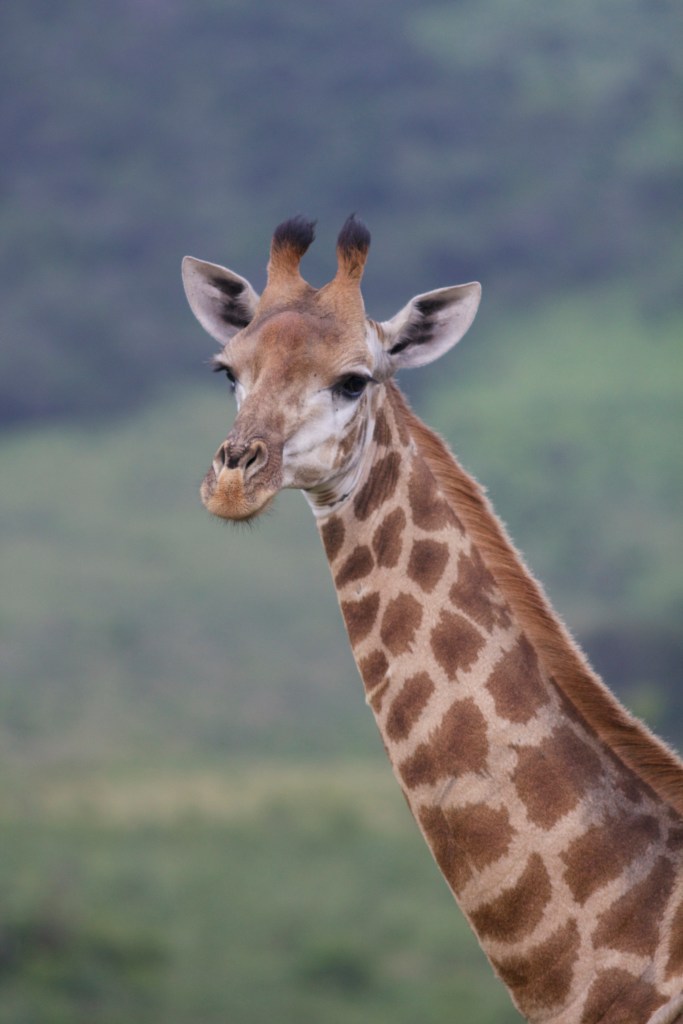
Nyala, Nile crocodile, hippo, giraffe, African Wild Dog, cheetah, kudu, impala, bush pig, common warthog, hyena, water buck, duiker, blue wildebeest, jackal and much more. The park is incredible should you be an avid birder with up to 340 species found within the area. If you’re an avid birder, Hluhluwe-iMfolozi Park is the park to be because there are 340 species found within the area.



 Tourism Tails