In the world of African safaris, much attention is often given to the “Big 5” — the lion, leopard, rhinoceros, elephant, and buffalo. However, a lesser-known but equally fascinating group of animals often referred to as the “Small 5” also captivates the imaginations of wildlife enthusiasts. The Small 5 consists of five smaller, often elusive creatures that are just as important to the ecosystem and offer a unique, exciting perspective on Africa’s diverse wildlife.
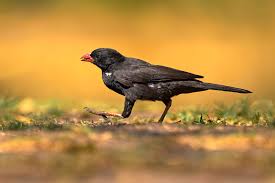
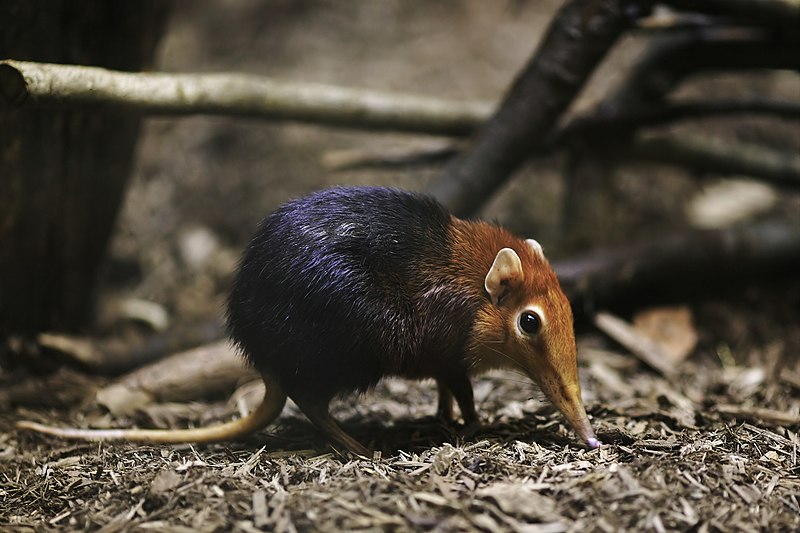
The Small 5 includes the elephant shrew, the buffalo weaver, the rhinoceros beetle, the leopard tortoise, and the antlion. Despite their diminutive size compared to their larger counterparts, these animals play significant roles in their environments and exhibit remarkable behaviours that make them worthy of attention.

The elephant shrew, which is not a true shrew, but rather a small, fast-moving mammal, is named for its long trunk-like nose that bears a resemblance to an elephant’s trunk. These small, insectivorous creatures are known for their speed and agility, helping them evade predators. The buffalo weaver, a small bird found in the savannas of Africa, is known for its intricate nest-building skills. These birds create large, communal nests in the branches of trees, often hanging in clusters that can be home to dozens of birds at a time.
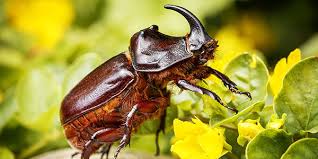
The rhinoceros beetle, named after the horn-like structure on its head, is one of the largest beetles in the world. Despite its intimidating name, it is harmless to humans and plays an important role in breaking down decaying organic matter, helping to maintain the balance of the ecosystem. The leopard tortoise, one of the largest species of tortoises in Africa, gets its name from the distinctive leopard-like patterns on its shell. Known for its slow pace, the leopard tortoise is a herbivore that plays a role in seed dispersal, which benefits plant populations across the landscape.
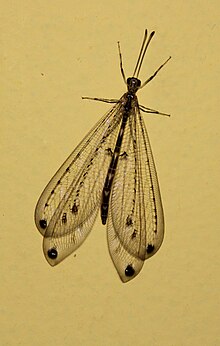
The antlion is the larval stage of a predatory insect that hunts ants by creating funnel-shaped traps in sandy soil. When ants fall into these traps, the antlion larvae swiftly capture them. This behaviour is a fascinating example of how even the smallest creatures in the animal kingdom employ complex hunting strategies to survive.
Though much smaller in stature than the iconic Big 5, the Small 5 offers a unique opportunity to observe the intricacies of nature and the importance of all species, no matter how small. These creatures may not command the same awe as elephants or lions, but they are essential to the health and function of their ecosystems. As with all wildlife, the Small 5 reminds us that every species plays a part in maintaining the delicate balance of nature












 Tourism Tails