Algae are a diverse group of photosynthetic organisms found in a variety of aquatic environments. They play essential roles in ecosystems, contributing to primary production and forming the basis of the food web. Algae are categorized into three main types: green algae (Chlorophyta), brown algae (Phaeophyta), and red algae (Rhodophyta). Each type is adapted to specific ecological zones, characterized by unique environmental conditions.
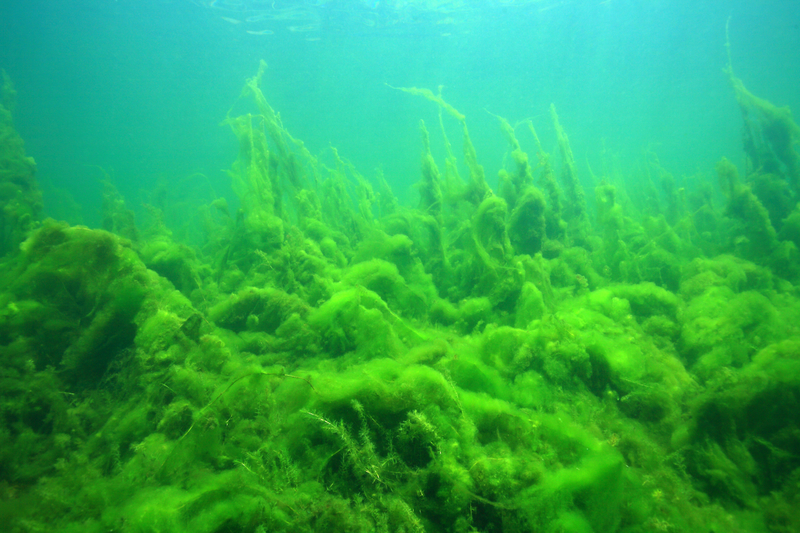
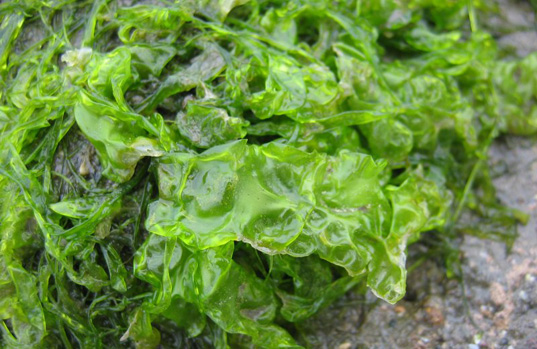
Green Algae (Chlorophyta)
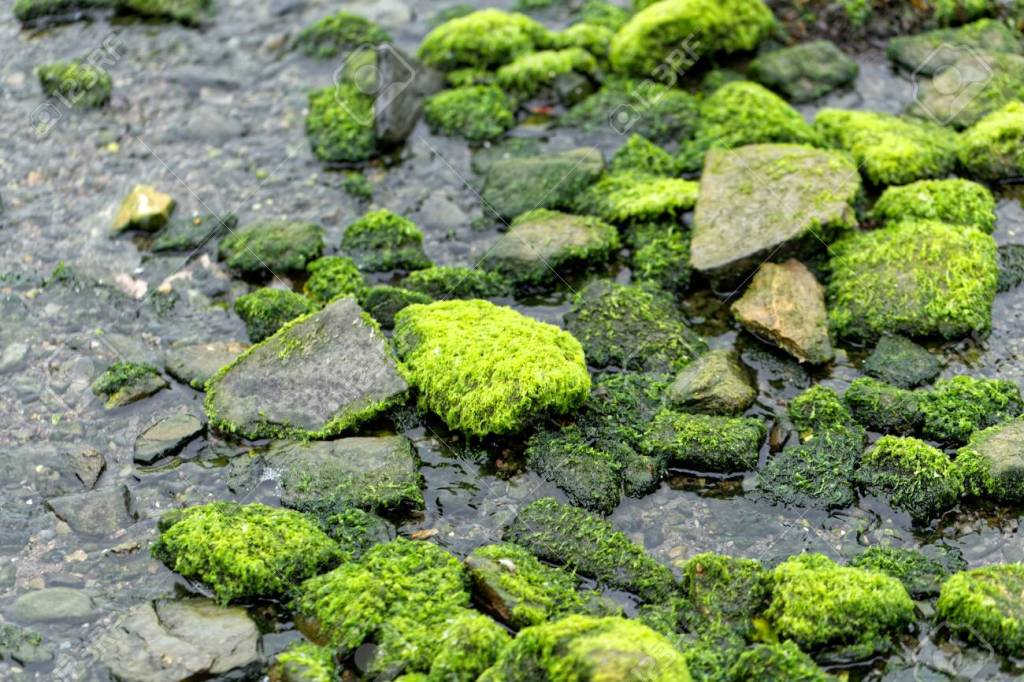
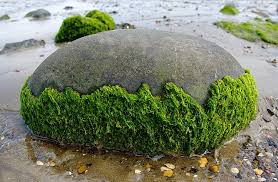
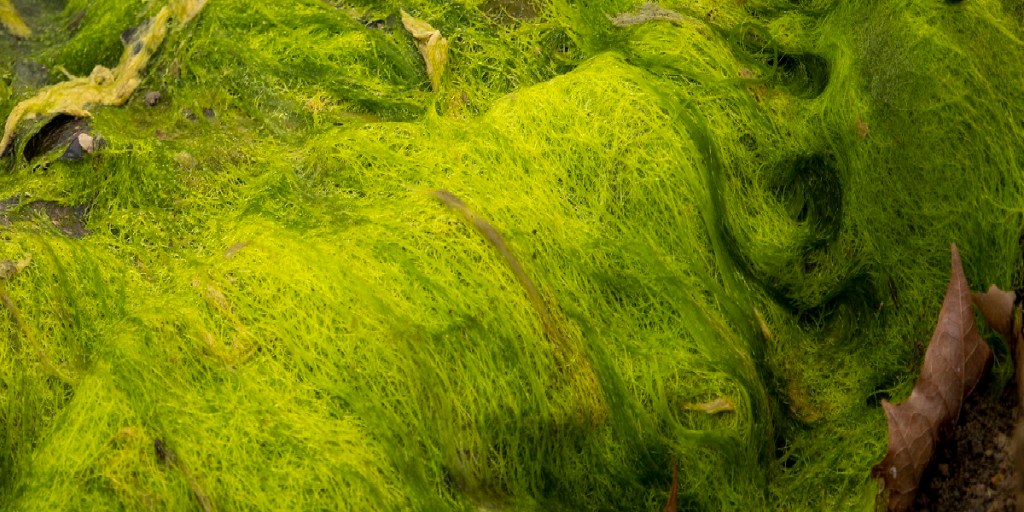
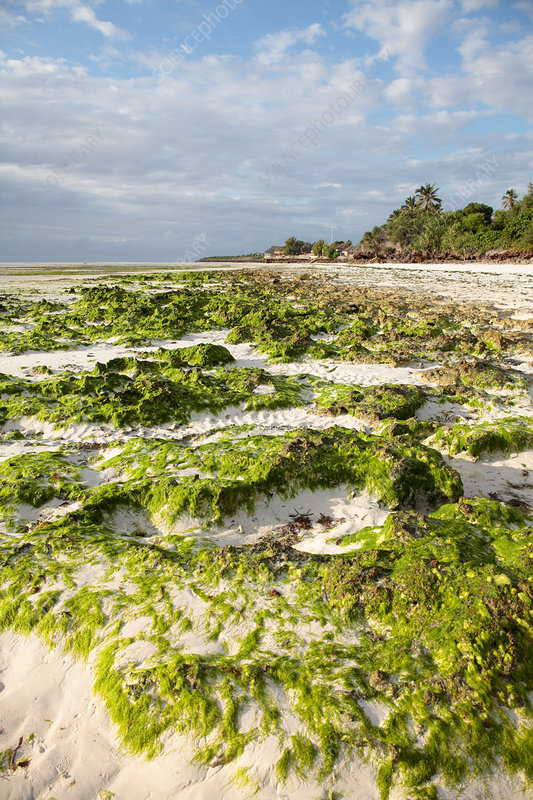
Green algae are predominantly found in freshwater environments, though some species inhabit marine waters. They are most commonly found in the upper photic zone where sunlight penetration is the highest, facilitating photosynthesis. This zone typically extends from the water surface to a depth of about 100 meters. Green algae are characterized by their chlorophyll pigments, which give them their vibrant green colour and enable them to efficiently capture light energy. These algae play a crucial role in freshwater ecosystems, contributing to the primary production that supports diverse aquatic life. Common representatives include species of Chlorella and Volvox, which can form dense blooms under favourable conditions.
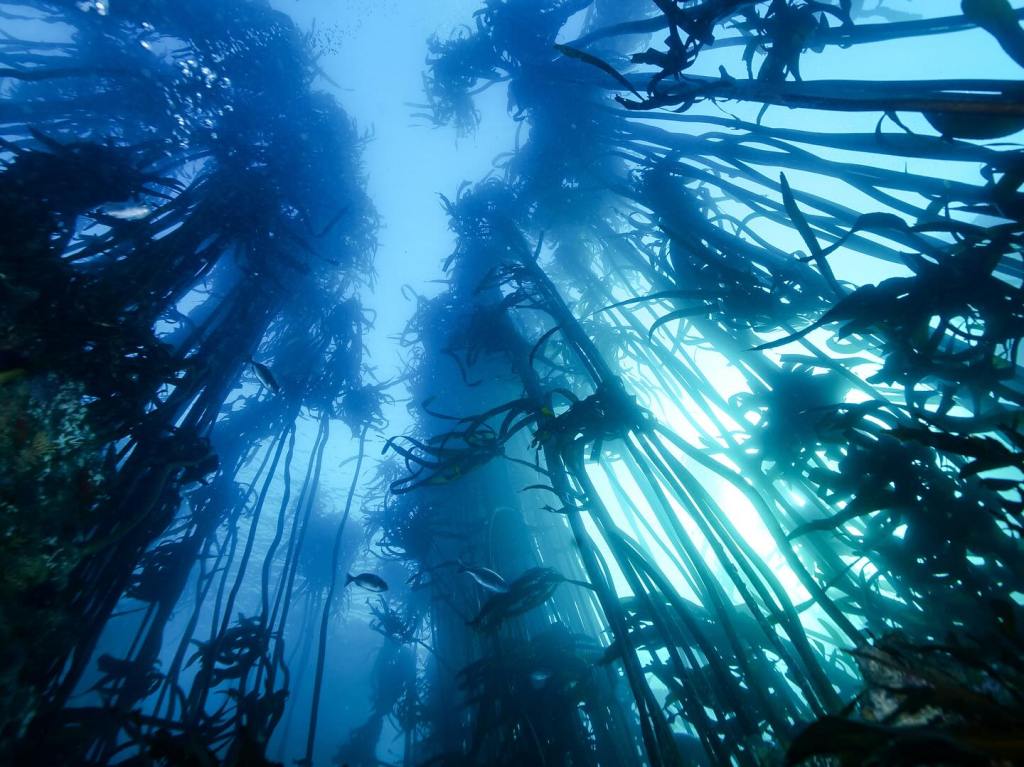
Brown Algae (Phaeophyta)
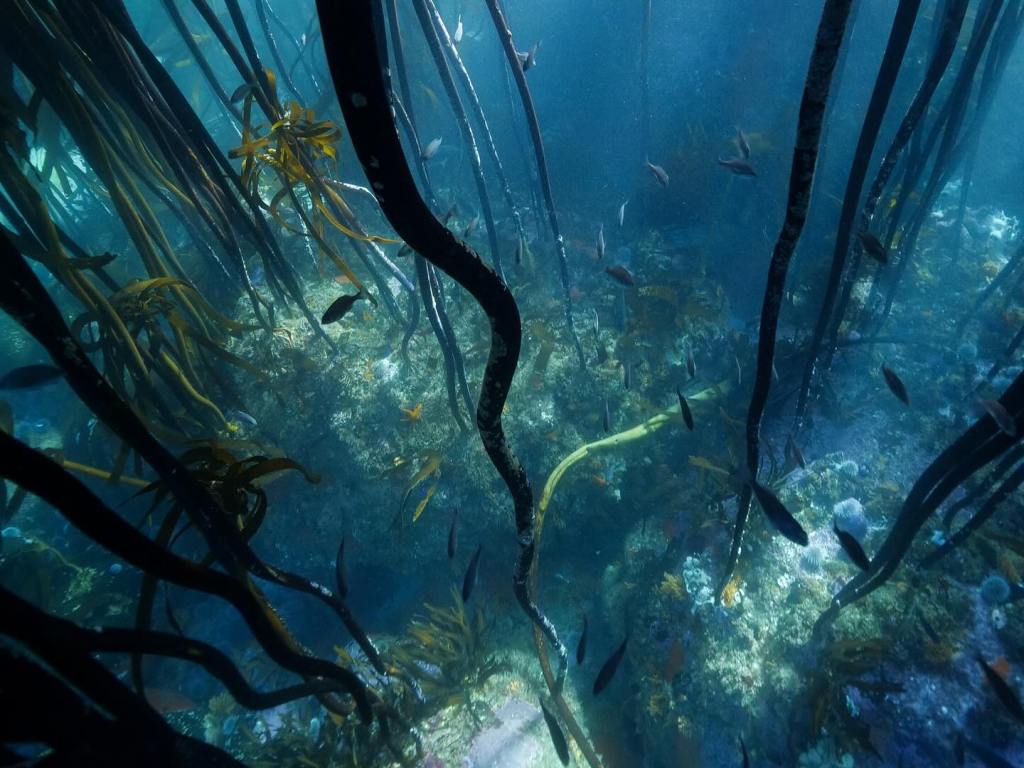
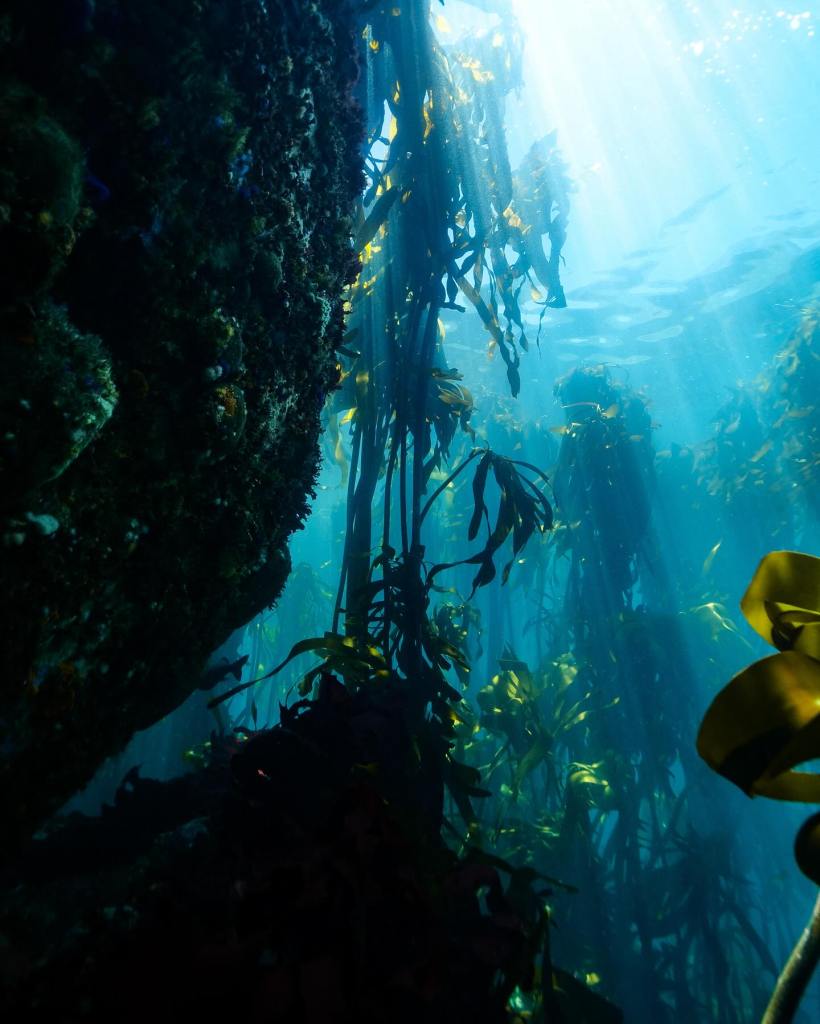
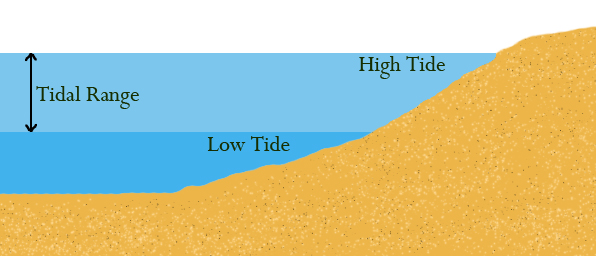
Brown algae are predominantly marine and are most commonly found in the intertidal and subtidal zones. These zones are characterized by their dynamic environment, influenced by tides, waves, and varying light conditions. Brown algae contain fucoxanthin, a pigment that gives them their distinctive brown colour and allows them to absorb light efficiently in deeper and murkier waters. They are especially abundant in colder, nutrient-rich waters. Kelp, a type of large brown algae, forms underwater forests that provide habitat and food for a wide range of marine organisms. The giant kelp (Macrocystis pyrifera) is a well-known species that can grow up to 60 meters in length, creating complex structures that support biodiversity.
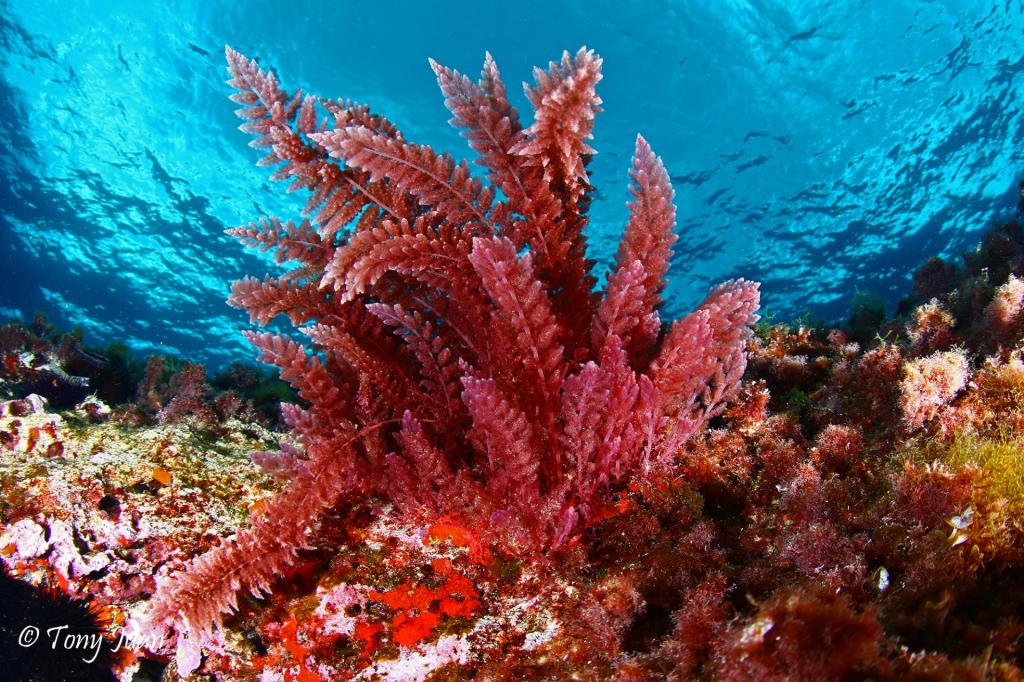
Red Algae (Rhodophyta)
Red algae are primarily found in marine environments, especially in the deeper photic zones and even down to the twilight zone where light levels are minimal. They thrive in these areas due to their ability to utilize blue light, which penetrates deeper into the water column, thanks to their phycoerythrin pigments that give them a reddish hue. Red algae are essential in the formation of coral reefs, as many species, such as coralline algae, contribute to the calcium carbonate structure of reefs. They are also found in tide pools and rocky coastlines where they endure strong wave actions. Species like Porphyra, used in making nori for sushi, are economically significant.
Each type of algae plays a critical role in its respective zone, contributing to the ecosystem’s productivity and stability. Green algae are vital in freshwater ecosystems, supporting food webs and oxygenating the water. Brown algae, particularly kelps, create complex habitats that enhance marine biodiversity and protect shorelines from erosion. Red algae contribute to the structural integrity of coral reefs and provide habitats for marine life. The zonation of these algae reflects their adaptations to light availability, water movement, and nutrient conditions, highlighting the complexity and interconnectedness of aquatic ecosystems.
Understanding the distribution and roles of green, brown, and red algae across different ecological zones is essential for appreciating their contributions to aquatic environments. These algae not only sustain diverse biological communities but also have significant ecological and economic impacts. As environmental challenges such as climate change and pollution threaten aquatic ecosystems, protecting and studying these vital organisms become increasingly important for maintaining the health and balance of our planet’s waters.



























 Tourism Tails