The East African Rift Valley

The East African Rift Valley, often referred to as the “cradle of humanity,” is one of the most remarkable geological features on our planet. Spanning thousands of kilometers from the Afar Triangle in the north to Mozambique in the south, this natural wonder is an evolving testament to the Earth’s dynamic geological processes. In this essay, we will explore the geological significance and the rich history of the East African Rift Valley.
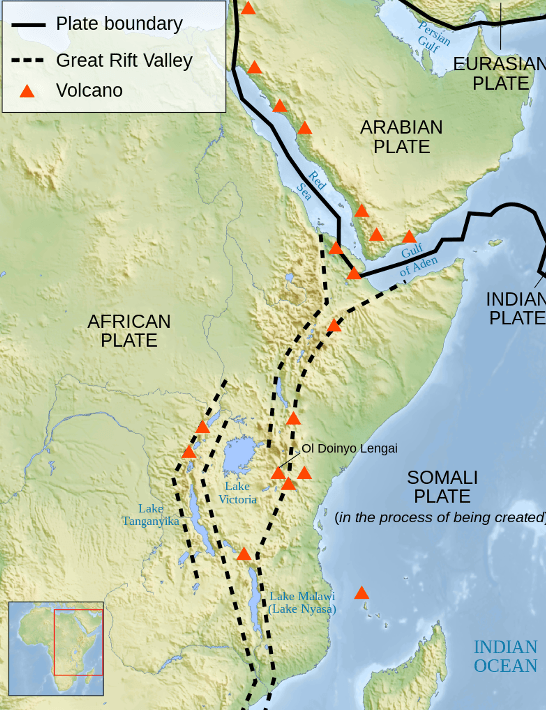
The East African Rift Valley is the result of tectonic forces that are actively pulling apart the African continent. It is a divergent plate boundary where the African Plate is splitting into two separate plates: the Nubian Plate to the west and the Somali Plate to the east. This geological process is slowly but surely tearing the continent apart at a rate of a few millimeters to several centimeters per year. Over millions of years, this process will ultimately lead to the creation of a new ocean, as the Red Sea and the Gulf of Aden continue to expand, and the African continent fragments into smaller landmasses.

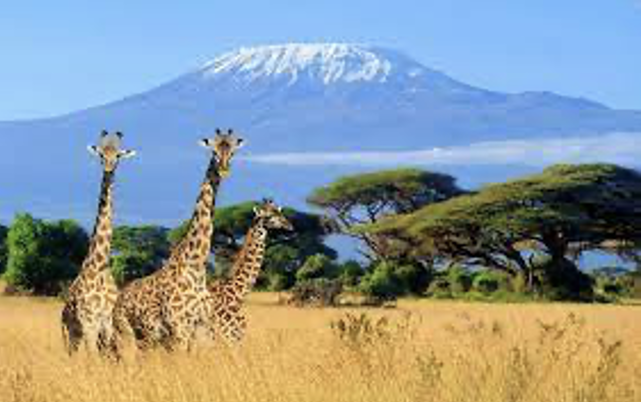
The East African Rift Valley is characterized by a range of geological features that make it truly unique. It includes deep fissures, fault lines, volcanoes, hot springs, and numerous lakes, both freshwater and alkaline. Lake Tanganyika, Lake Malawi, and Lake Turkana are some of the major rift valley lakes that have formed due to the geological activity in the region. Additionally, the valley is home to numerous active and dormant volcanoes, including Mount Kilimanjaro, Mount Kenya, and the Erta Ale volcano in the Afar Triangle.
The East African Rift Valley is often referred to as the “cradle of humanity” because it is where some of the most important discoveries related to human evolution have been made. The Olduvai Gorge, in Tanzania, is renowned for its archaeological significance. It was here that the Leakey family unearthed numerous ancient hominid fossils and stone tools, providing crucial insights into the early history of our species. The Great Rift Valley in Kenya is another area known for its rich paleontological record, with the discovery of the famous Turkana Boy, a nearly complete Homo erectus skeleton, and numerous other early human fossils.

The East African Rift Valley is not only a geological treasure but also a haven for biodiversity. Its diverse range of habitats, including forests, grasslands, savannas, and wetlands, supports a wide variety of wildlife. The region is home to iconic African species such as lions, elephants, giraffes, and countless bird species. Furthermore, the rift’s unique ecosystems provide a critical refuge for several endangered and endemic species, such as the Ethiopian wolf and the Grevy’s zebra.
The East African Rift Valley is a geological marvel that has played a pivotal role in our understanding of the Earth’s processes and the history of our species. As it continues to evolve and shape the landscape of East Africa, it remains a source of fascination for scientists, a treasure trove of prehistoric and archaeological relics, and a testament to the beauty and complexity of the natural world. This region is a testament to the ever-changing face of our planet and the mysteries that lie beneath the Earth’s surface.

Rift Valley Migration

The Rift Valley, a vast geological trench that spans thousands of kilometres across Africa, is not only a geological wonder but also a crucial corridor for some of the world’s most awe-inspiring animal migrations. This dramatic landscape, characterized by its towering cliffs, diverse ecosystems, and fluctuating terrains, hosts an array of species that undertake remarkable journeys in search of food, water, and breeding grounds.

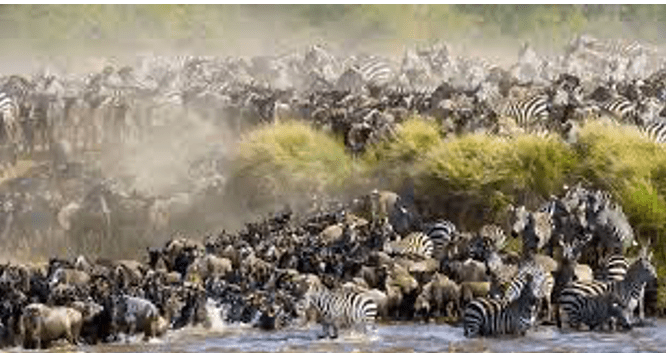
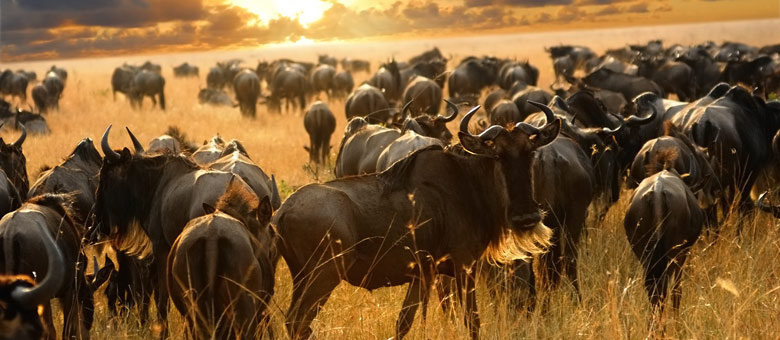
Among the most iconic of these migrations is the wildebeest migration, often dubbed the “Greatest Show on Earth.” Every year, millions of wildebeest, accompanied by zebras and gazelles, traverse the plains of East Africa, crossing from the Serengeti National Park in Tanzania to Kenya’s Maasai Mara Reserve and back. This cyclical movement is driven by the search for greener pastures and water sources, as the seasonal rains dictate the availability of resources. The sheer number of animals involved in this migration is a testament to the resilience and adaptability of these species, as they overcome formidable challenges such as predators and river crossings teeming with crocodiles.

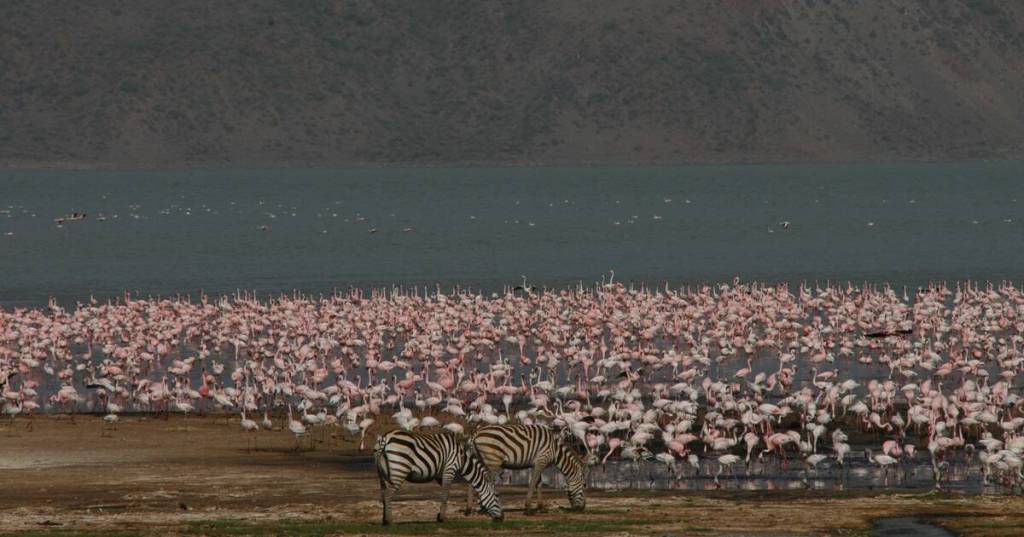
In addition to the wildebeest migration, the Rift Valley accommodates other remarkable journeys. Flamingos, for instance, are known to migrate to the Rift Valley’s alkaline lakes, such as Lake Nakuru and Lake Bogoria in Kenya, to feed on the abundant algae that thrive in these unique aquatic environments. The valley’s striking landscapes also attract various bird species during their migratory flights, creating vibrant pockets of biodiversity.

The Rift Valley’s significance for migration extends beyond terrestrial creatures. The region’s numerous water bodies, such as Lake Tanganyika and Lake Victoria, provide vital habitats for aquatic species like fish and birds. These lakes serve as both destinations and stopovers during migratory journeys, ensuring the survival of various species that depend on the region’s resources.

However, the survival of these migrations is not without challenges. Habitat loss, climate change, and human activities threaten the delicate balance of these ecosystems. Pollution, infrastructure development, and overexploitation of resources can disrupt the migratory routes and habitats that these animals rely on for survival.

The Rift Valley stands as a testament to the beauty and diversity of nature’s creations, hosting some of the world’s most captivating animal migrations. From the grand spectacle of the wildebeest migration to the intricate journeys of flamingos and birds, the Rift Valley offers a glimpse into the incredible feats of adaptation and perseverance that animals undertake to thrive in ever-changing environments. Preserving the integrity of this unique landscape is essential for safeguarding these epic migrations and the ecosystems they sustain, reminding us of the intricate web of life that exists within this geological wonder.

The Benefits of Wind Pollination

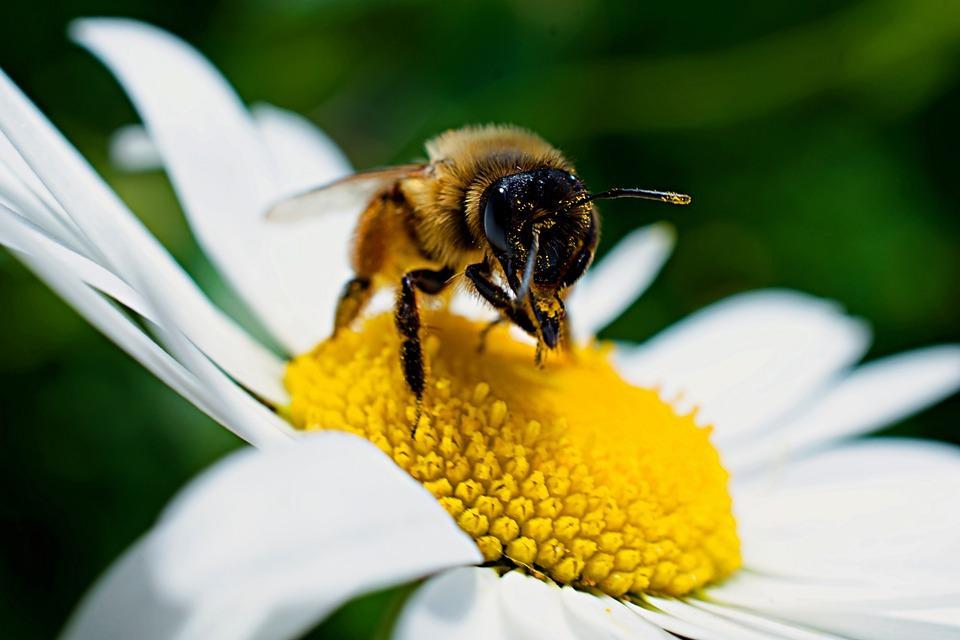
Nature has a remarkable way of optimizing processes for survival and propagation, and wind pollination stands as a prime example of this efficiency. While insects are often celebrated for their role as pollinators, wind also plays a crucial role in transferring pollen among plants. Wind pollination, or anemophily, offers distinct advantages to certain plant species, ensuring their reproduction in diverse and challenging environments.

One of the primary benefits of wind pollination is its reach. Unlike insect pollination, which requires specific attractants and strategies to lure pollinators, wind pollination relies on sheer numbers. Plants that employ wind pollination produce abundant, lightweight pollen that can be carried vast distances by even the gentlest breeze. This adaptation allows plants to colonize expansive areas, including open fields, bodies of water, and remote regions, where insects might be scarce or less effective.

Wind pollination liberates plants from the need to invest resources in showy, colourful flowers and nectar to attract pollinators. This energy saved can be redirected towards other essential aspects of growth and survival, such as seed production, root development, and disease resistance. In this way, wind-pollinated plants are able to allocate resources efficiently, giving them a competitive edge in various ecological niches.

Wind pollination is particularly advantageous in environments with unpredictable weather conditions. Insects might be deterred by rain, cold temperatures, or adverse climate events, hindering the pollination process. Wind, on the other hand, can transport pollen regardless of weather conditions, ensuring that plant reproduction can continue even in challenging circumstances.

Moreover, wind-pollinated plants often produce large quantities of pollen, increasing the chances of successful fertilization. While wind disperses pollen widely, only a fraction of it will land on receptive stigmas, but due to the sheer volume produced, even this fraction is sufficient for effective pollination. This strategy optimizes the chances of pollen reaching a compatible mate.

However, wind pollination does come with trade-offs. Because wind cannot precisely direct pollen to specific targets, it requires large amounts of pollen to guarantee successful fertilization. This can result in a high degree of pollen wastage. Additionally, since wind-pollinated plants do not need to attract pollinators, their flowers are often inconspicuous, lacking the vibrant colours and fragrances seen in insect-pollinated species.

Wind pollination showcases the marvel of adaptation in the natural world. Plants that rely on wind for pollination have evolved strategies that maximize their reproductive success in various conditions and environments. The efficient use of resources, the ability to colonize diverse areas, and the resilience in the face of adverse weather conditions are just a few examples of the advantages wind pollination offers to certain plant species. This phenomenon highlights the diversity of reproductive strategies in the plant kingdom and underscores the intricate ways in which nature ensures the continuation of life.

Mammals that Pollenate

When we think of pollination, our minds often conjure images of bees and butterflies flitting among flowers, transferring pollen from one bloom to another. However, there’s a group of unlikely heroes in this crucial ecological dance—mammals. While insects are indeed the primary pollinators, certain mammals have also evolved to play a significant role in this process, fostering biodiversity and maintaining ecosystems.

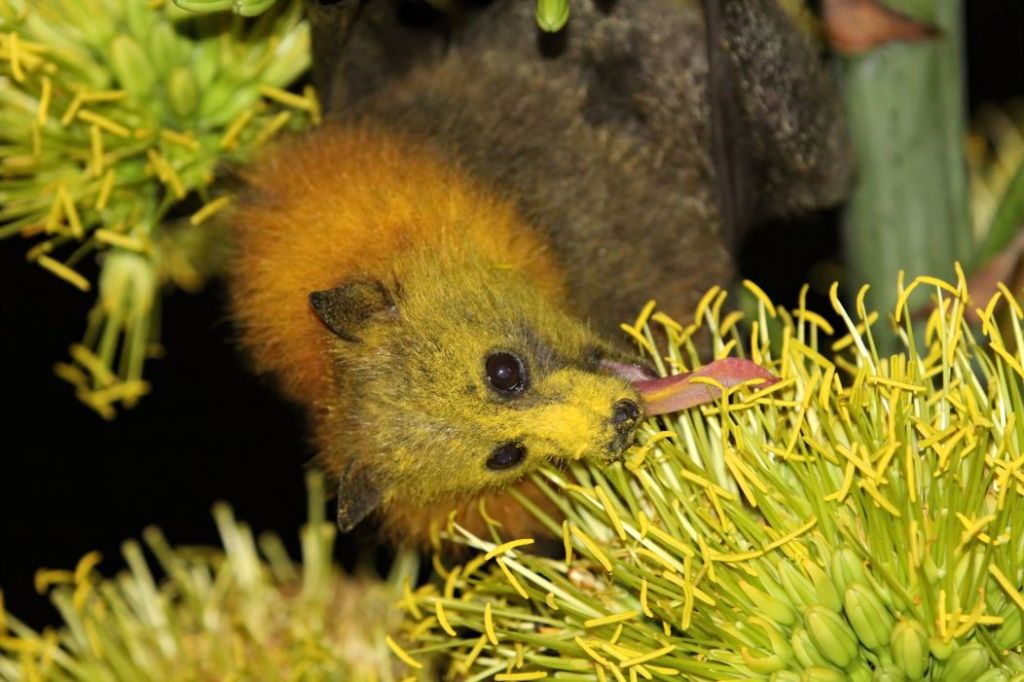
Bats, for instance, stand out as one of the most remarkable mammalian pollinators. Found in various parts of the world, including tropical and desert regions, these winged creatures often visit flowers in search of nectar. In their quest for sustenance, they inadvertently transfer pollen from one flower to another, facilitating fertilization and ensuring the continuation of plant species. The unique relationship between bats and plants has given rise to co-evolution, with plants developing features that cater specifically to these pollinators, such as night-blooming flowers and strong fragrances that attract bats in the dark.

Moreover, certain species of small mammals, like rodents and marsupials, have also been identified as occasional pollinators. While their role might not be as widespread or efficient as that of insects, these mammals still contribute to pollination dynamics. Their visits to flowers, in search of nectar or other resources, aid in pollen transfer and the subsequent production of fruits and seeds.

Mammalian pollination showcases the intricate web of interdependence in ecosystems. Many plants rely on these creatures to propagate, and, in return, mammals gain access to vital resources. For example, bats that pollinate cacti contribute to the creation of fruits that sustain their diet, and small mammals often find nectar as a source of energy. This mutualistic relationship highlights the delicate balance that nature maintains for the survival of various species.

However, mammalian pollinators face their share of challenges. Habitat loss, deforestation, and urbanization are threatening their ecosystems. As these creatures depend on specific plant species for food and shelter, any disruptions in their environment can lead to negative cascading effects on both the pollinators and the plants they help propagate. Conserving their habitats and understanding their role in ecosystems is essential to maintaining biodiversity and ecosystem stability.

In conclusion, while insects take the spotlight as the primary pollinators, mammals also contribute significantly to this essential ecological process. Bats, rodents, marsupials, and other small mammals, though often overlooked, play vital roles in maintaining the delicate balance of nature. Recognizing their importance and taking steps to protect their habitats can help preserve the intricate interdependence that characterises ecosystems and ensures the continued flourishing of plant life worldwide.

The benefits of black and white vision at night

In the cover of night, when the world transforms into a realm of shadows and mysteries, the phenomenon of black and white vision emerges as a fascinating adaptation that has equipped many creatures to navigate and thrive in the darkness. While colour vision enriches our understanding of the daytime world, the benefits of black and white vision at night are profound, enabling creatures to harness the power of contrast, adapt to low light conditions, and uncover hidden secrets of the nocturnal landscape.

Black and white vision holds a distinct advantage in low light environments by capitalizing on the stark contrast between light and dark. This inherent contrast allows for enhanced perception of shapes, outlines, and movements, enabling animals to detect potential threats or opportunities even in the absence of detailed colour information. This heightened sensitivity to contrast empowers creatures to navigate through complex environments, locate prey, and avoid predators with remarkable precision.

Moreover, black and white vision optimizes the utilisation of available light. At night, the amount of available light is limited, and the colour-sensitive cones in the eyes are less active. In this scenario, the rods, specialized photoreceptor cells that are more sensitive to light and responsible for black and white vision, take centre stage. This adaptation ensures that the maximum amount of available light is captured and utilized, enabling creatures to gather critical visual information in conditions that would render colour vision ineffective.

Black and white vision also plays a pivotal role in unravelling the secrets of the nocturnal world. For instance, many animals that are active at night, such as owls and certain types of predators, rely on their monochromatic vision to locate prey that may be camouflaged or hidden in the shadows. By emphasizing the contrast between the prey and its surroundings, these creatures enhance their chances of success in hunting.

Furthermore, black and white vision is advantageous in situations where colour information is irrelevant or even detrimental. The absence of colour simplifies the visual scene, allowing creatures to focus on essential elements like shapes, movement, and contrast. This streamlined perception aids in quick decision-making, critical in fast-paced nocturnal environments.

The benefits of black and white vision at night are a testament to the intricacies of nature’s adaptations. While colour vision enriches our understanding of the world during the day, the power of black and white vision takes centre stage in the darkness. Its ability to emphasize contrast, maximize available light, and reveal hidden details underscores its pivotal role in the survival and success of countless species in the nocturnal realm. As we explore the wonders of the natural world, embracing the unique advantages of black and white vision opens a new window into the captivating lives of creatures that thrive under the cover of night.

Catfish Vision

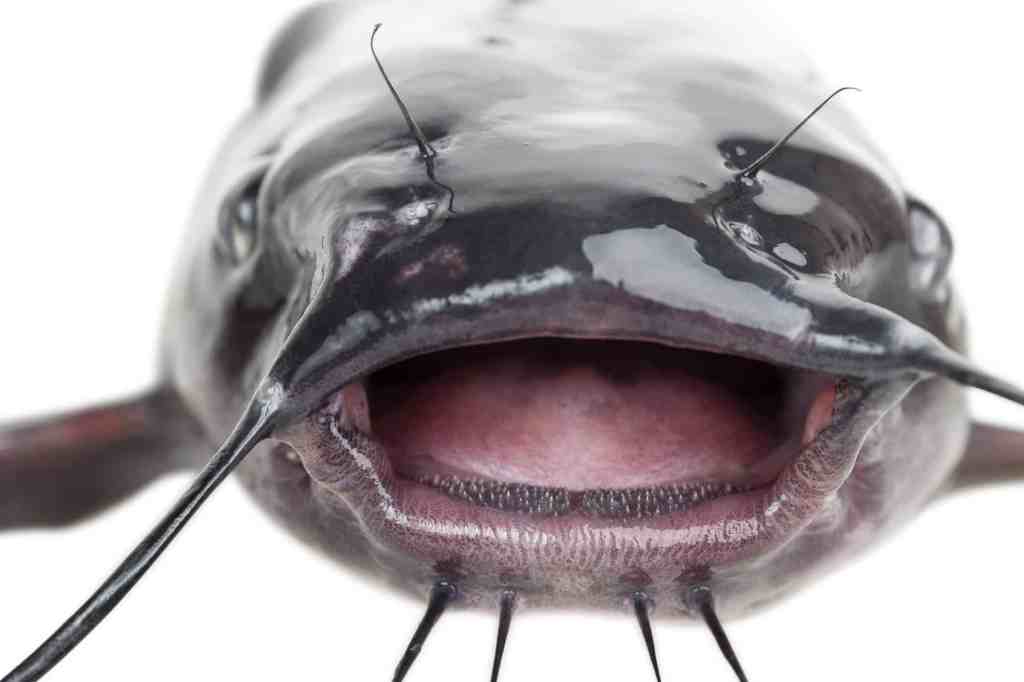
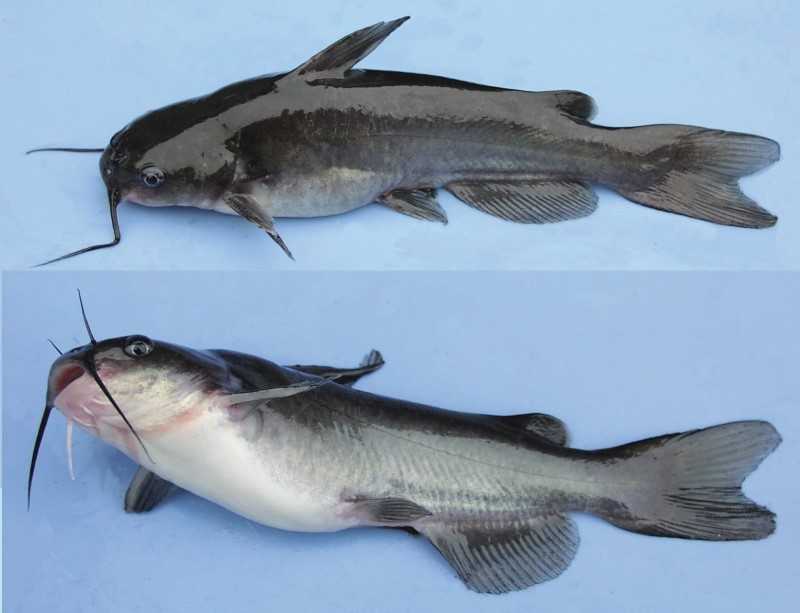
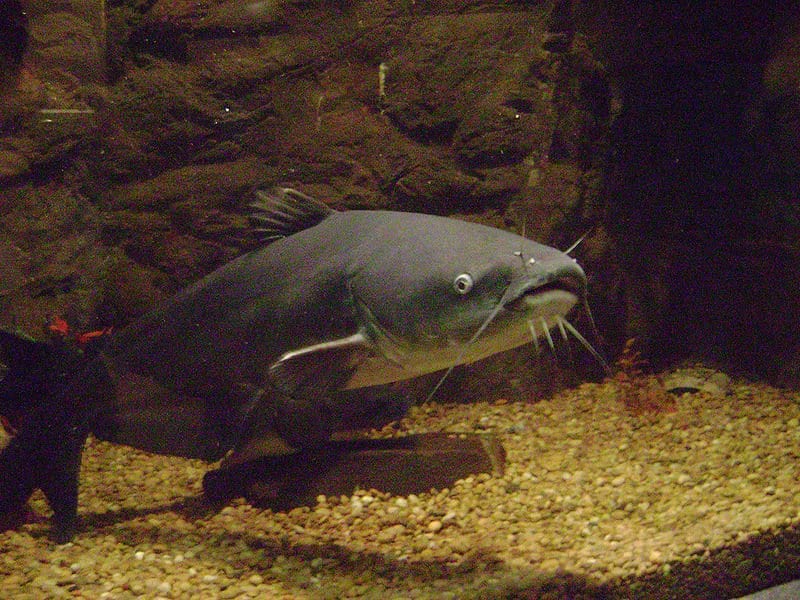
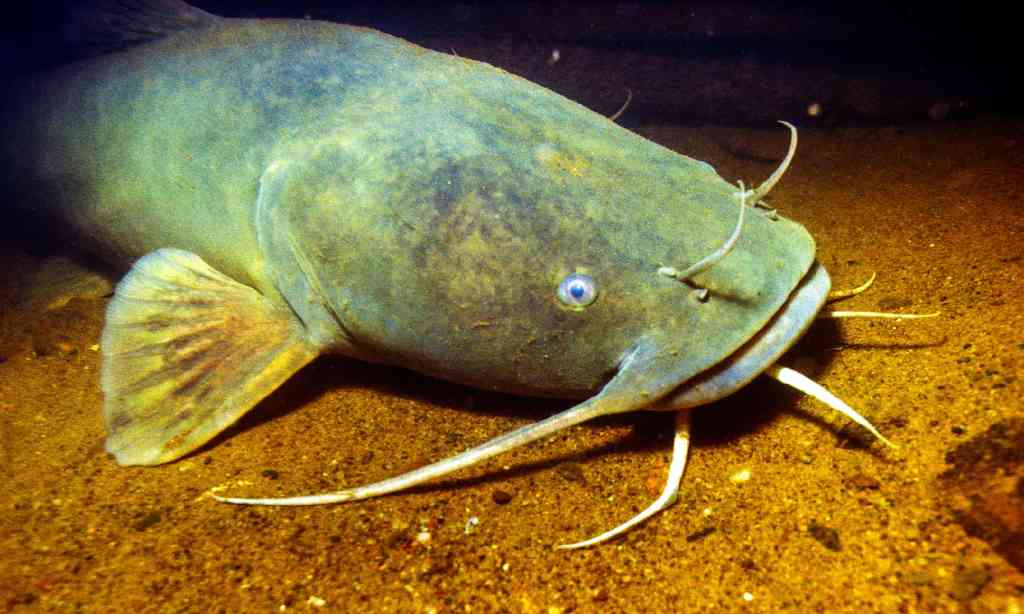
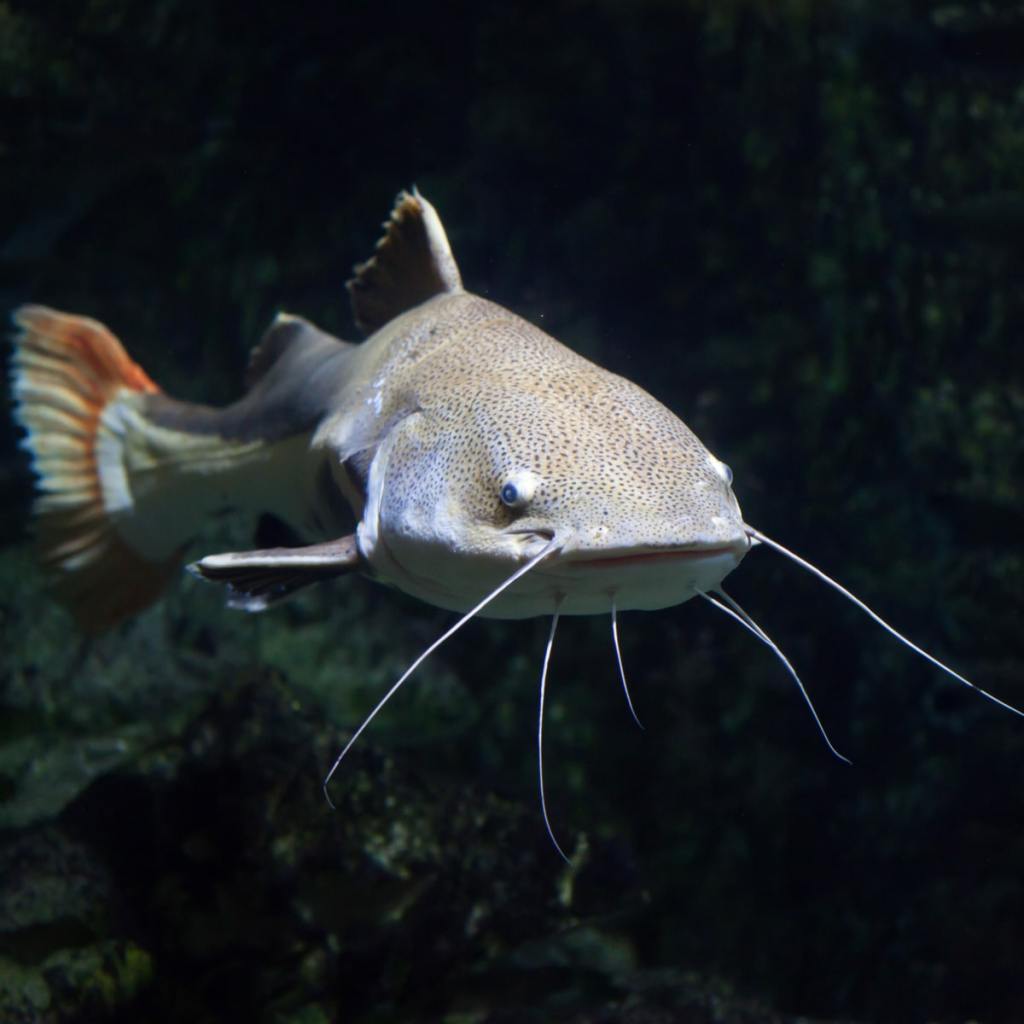
Catfish, a diverse group of freshwater and marine fish, have long captured the curiosity of researchers and enthusiasts alike due to their unique sensory adaptations. Among their many intriguing attributes, their vision stands out as a remarkable and enigmatic aspect of their underwater existence. Catfish possess a complex visual system that has evolved to suit their habitat, behaviour, and hunting strategies.

Catfish inhabit a variety of aquatic environments, ranging from murky rivers to clear lakes, each with its distinct visual challenges. To navigate through these varying conditions, catfish have developed a multifaceted approach to vision. Their eyes are adept at adjusting to different light levels, allowing them to thrive in both bright and dimly lit waters. 

Furthermore, they possess a high density of rod cells, specialized for low-light conditions, enabling them to detect even the faintest movements and changes in their surroundings.

One of the most intriguing aspects of catfish vision is their adaptation to their often turbid habitats. These fish have developed a remarkable sensitivity to short-wavelength light, including ultraviolet (UV) light, which is less affected by water turbidity. This ability provides catfish with a distinct advantage in locating prey and navigating their environment. The inclusion of UV sensitivity in their visual spectrum allows them to perceive a world invisible to many other aquatic species.

Catfish vision is tightly linked to their behaviour and hunting strategies. Many catfish species are nocturnal predators, relying on their keen low-light vision to ambush prey under the cover of darkness. Their ability to detect UV light further aids in identifying potential prey items, which may exhibit distinct UV patterns that are invisible to other predators. This specialization highlights the intricate connection between vision, behaviour, and survival strategies in these aquatic creatures.

However, catfish vision is not without limitations. Their visual acuity, particularly in well-lit conditions, is relatively modest compared to some other fish species. Additionally, the trade-off between different visual adaptations necessitates a balance between various aspects of their vision, making them more suited to specific environments and hunting methods.

The world of catfish vision offers a captivating glimpse into the intricate adaptations that have allowed these fish to thrive in diverse aquatic ecosystems. Their ability to adjust to varying light conditions, their sensitivity to UV light, and their finely tuned hunting strategies all contribute to their survival and success as apex predators. By delving deeper into the study of catfish vision, researchers continue to uncover the intricate interplay between physiology, behaviour, and environment, shedding light on the mysteries of the underwater realm.

The heavy metals found on the beaches

Beaches, with their picturesque landscapes and serene environments, have long been cherished as natural havens for relaxation and recreation. However, beneath their alluring beauty lies a hidden concern: the presence of heavy metals. Heavy metals are elements with high atomic weights that can pose serious threats to both the environment and human health when found in excessive amounts. These metals, including lead, mercury, cadmium, and arsenic, originate from various sources and can accumulate on beaches through natural processes and human activities.

Heavy metals find their way to beaches through multiple pathways. Natural processes such as weathering of rocks and erosion of mineral-rich soils release trace amounts of these metals into the environment. Additionally, ocean currents and tides can transport heavy metals from distant locations, depositing them along coastlines. However, the significant contributors to heavy metal contamination on beaches are human activities. Industrial discharges, sewage runoff, and improper waste disposal introduce heavy metals into aquatic ecosystems, ultimately reaching beaches. Moreover, urbanization, mining, and agricultural practices can exacerbate the issue by releasing pollutants into water bodies that eventually make their way to coastal areas.

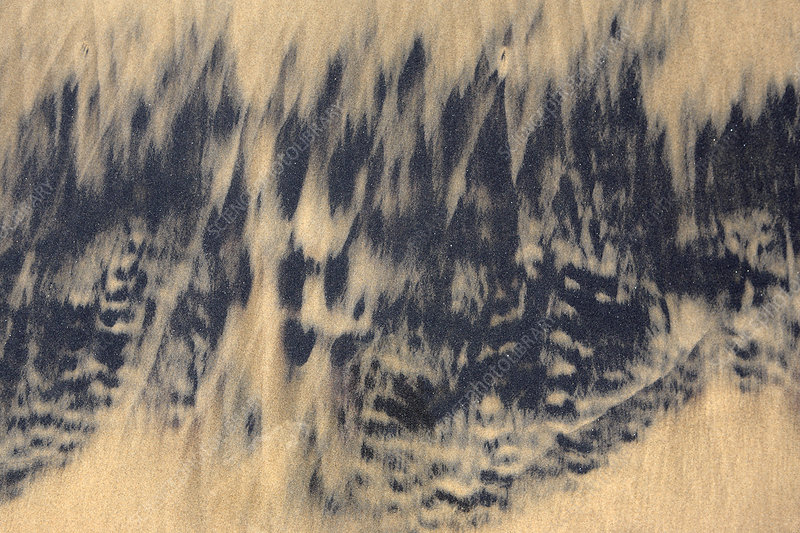
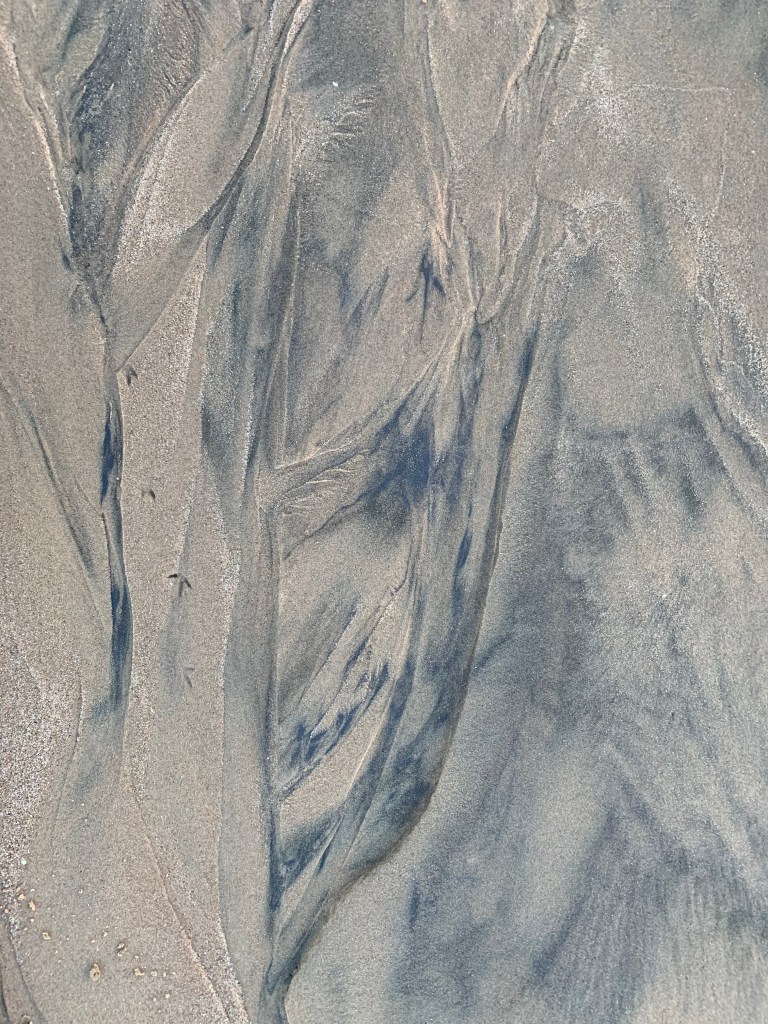
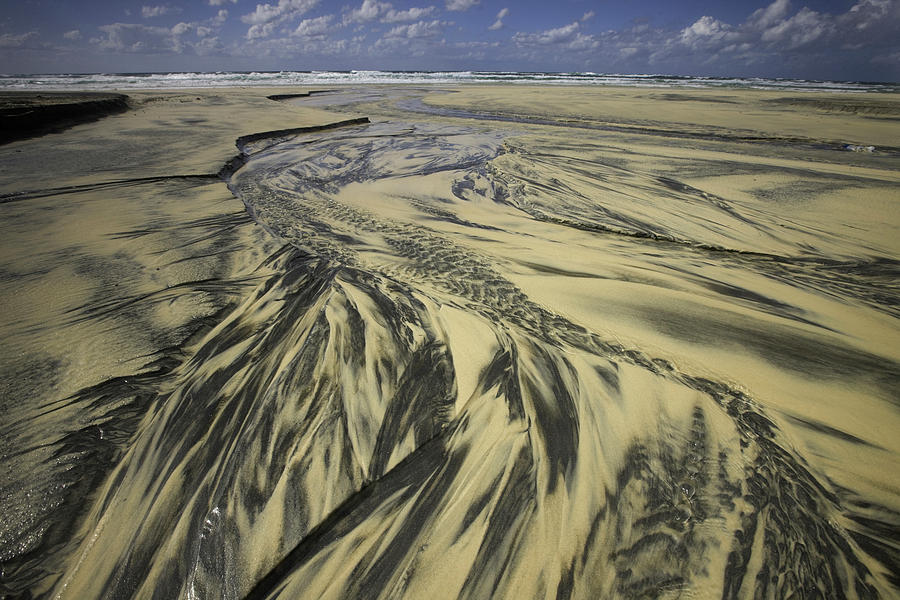
Titanium deposits (dark) in sand on a beach. Titanium and its alloys have a plethora of industrial uses, notably in aerospace, medical and dental technologies and in many other applications requiring high strength to weight properties and good corrosion resistance. Photographed near Morgan’s bay, Eastern Cape, South Africa.

The impacts of heavy metals on beaches and their ecosystems are profound. These metals are known for their persistence in the environment, as they do not degrade naturally and can accumulate over time. Marine organisms, including shellfish and fish, can absorb and accumulate heavy metals in their tissues. This bioaccumulation process not only disrupts aquatic food chains but also poses health risks to humans who consume contaminated seafood. Moreover, heavy metals can alter the physical and chemical properties of beach sediments, affecting the habitats of various species and disturbing the balance of coastal ecosystems.

Mitigating the presence of heavy metals on beaches requires a multi-pronged approach. The reduction of industrial emissions, improved wastewater treatment facilities, and stricter regulations on waste disposal are essential steps to limit the input of heavy metals into aquatic systems. Public awareness campaigns can educate communities about the proper disposal of hazardous waste and encourage responsible tourism practices. Coastal monitoring programs should be established to track the concentration of heavy metals and their potential impacts on ecosystems. If contamination levels exceed safe limits, remediation techniques such as sediment capping and bioremediation can be employed to restore the natural balance of the beach environment.

The issue of heavy metals on beaches highlights the intricate relationship between human activities and the environment. The allure of beaches and their vital ecological role underscore the urgency to address heavy metal contamination. By understanding the sources, impacts, and potential solutions to this problem, we can work collectively to ensure that these beloved coastal areas remain pristine and safe for generations to come. Through responsible stewardship and effective management, we can mitigate the threats posed by heavy metals and preserve the beauty and vitality of our beaches.

The Time Keeping Properties of Zircon

Zircon is not just a pretty face. In the world of geology and scientific research, few minerals possess the remarkable time-keeping properties that zircon does. Zircon, a versatile mineral abundant in Earth’s crust, holds within its crystalline structure a record of geological ages and events.
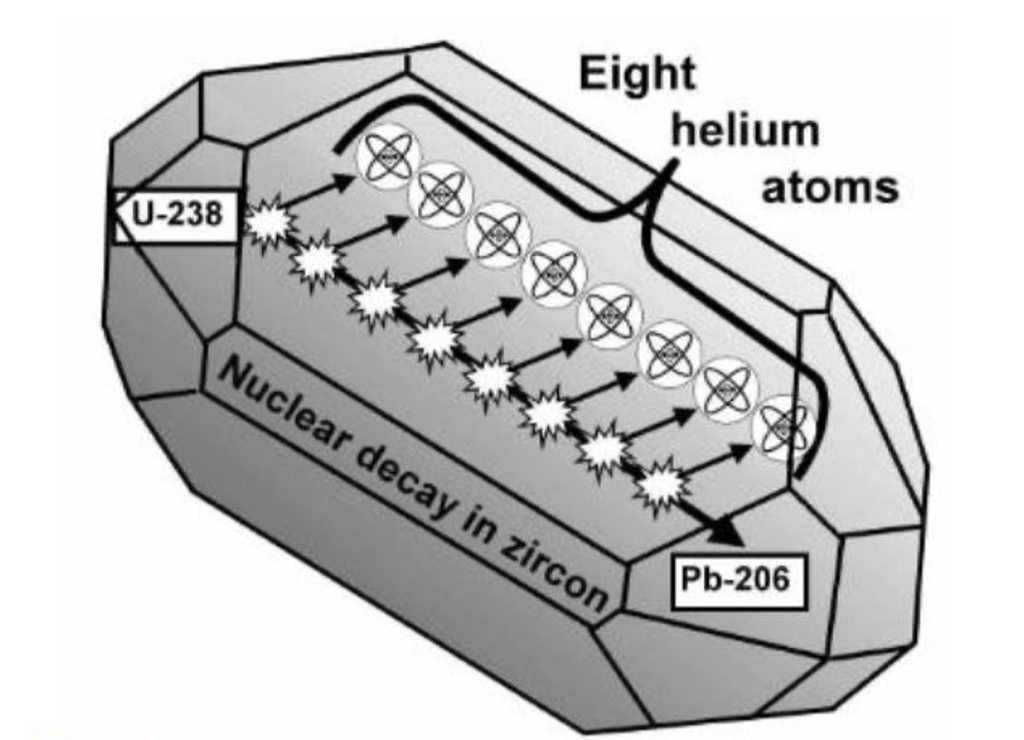
Zircon’s unique ability to incorporate uranium and exclude lead during its crystallization process makes it an ideal candidate for radiometric dating techniques. By measuring the ratio of uranium to lead isotopes within zircon crystals, scientists can determine the age of geological formations with remarkable precision. This method, known as uranium-lead dating, has revolutionized our understanding of Earth’s ancient history, as zircon has been discovered in rocks as old as 4.4 billion years.

One of the key reasons zircon serves as a reliable timekeeper is its exceptional durability. Zircon crystals are highly resistant to weathering, erosion, and chemical alteration. This resilience allows them to preserve their internal structure and chemical composition over long periods, effectively capturing the environmental conditions and isotopic ratios present at the time of their formation. As a result, zircon crystals provide a window into Earth’s geological past, preserving a wealth of information within their microscopic structures.

Zircon may be nature’s best clock. It is ideal for use in dating, or geochronology, for many reasons.

  • It is very hard, which means makes it resistant to weathering.
  • It is resistant to mechanical weathering, which is the process of big rocks breaking into smaller ones, and chemical weathering, which is the erosion of rocks caused by chemical reactions.
  • It is also resistant to metamorphism, which is when heat or pressure causes a rock to change its composition or structure.

Zircon is commonly found as the primary mineral in igneous rocks. Since igneous rocks have no fossils, this makes zircon valuable in dating them. Zircon also concentrates Uranium (You) and (although less so) Thorium (Th) and excludes lead (Pb), which means it has a very high U/Pb ratio. This means that any lead found in zircon minerals was made by radioactive decay, after the formation of the mineral. The ratio of lead versus uranium in the zircon is what is used to determine the age of the rock.

Zircon’s ability to preserve a record of geological events has been instrumental in reconstructing Earth’s history. By analysing zircon crystals from different geological formations worldwide, scientists have pieced together a timeline of Earth’s past, unravelling ancient tectonic events, climate changes, and evolutionary milestones. Zircon has been invaluable in understanding the formation of continents, the movement of continents over time (plate tectonics), and the origin of life on Earth.

Vredefort Dome

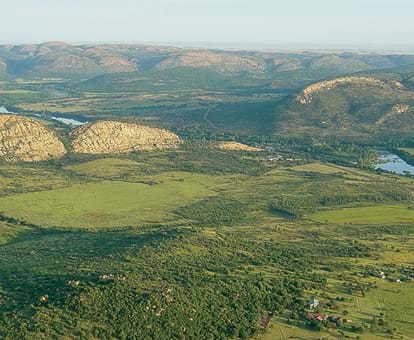
The Vredefort Dome, located in South Africa, stands as a testament to the cataclysmic forces that have shaped our planet’s history. This extraordinary geological formation is the result of an ancient meteorite impact, a colossal event that left an indelible mark on the landscape. In this essay, we will explore the size of the meteorite that caused the Vredefort Dome and delve into the profound impact it had on the Earth’s surface and subsequent scientific understanding.

The meteorite responsible for the Vredefort Dome is believed to have been an enormous space rock, estimated to have had a diameter of approximately 10 to 15 kilometers (6 to 9 miles) upon entering the Earth’s atmosphere. The precise size and composition of the meteorite are still subject to ongoing scientific research, but its immense scale is widely recognized. Upon impact, the energy released from the collision was estimated to be equivalent to billions of atomic bombs, causing unimaginable devastation and permanently altering the geological landscape.

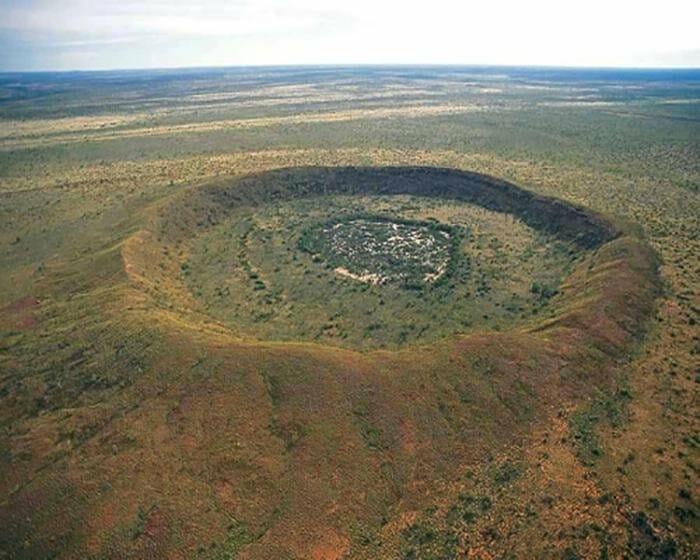
The Vredefort impact event occurred approximately 2 billion years ago during the Paleoproterozoic era. The meteorite collided with the Earth’s crust, resulting in a tremendous release of energy. The impact created a massive crater, approximately 300 kilometres (186 miles) in diameter, with the epicentre near the town of Vredefort in present-day South Africa. The sheer magnitude of the collision caused the crust to rebound, creating a raised central peak that later eroded over time, forming the unique dome-shaped structure we see today.

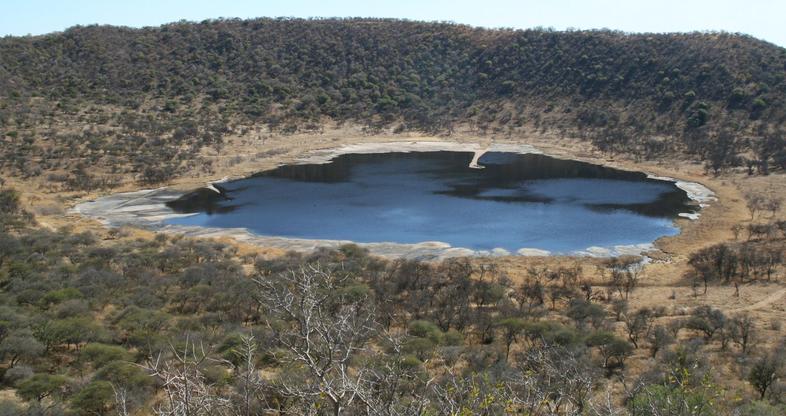
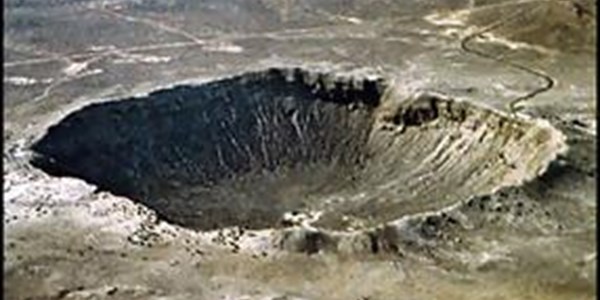
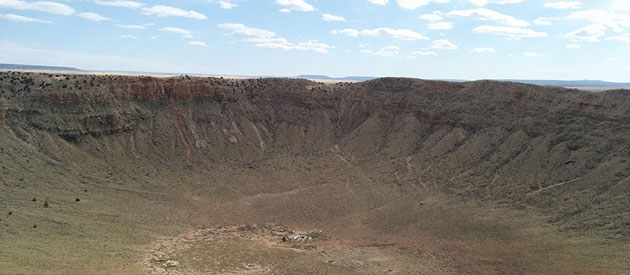
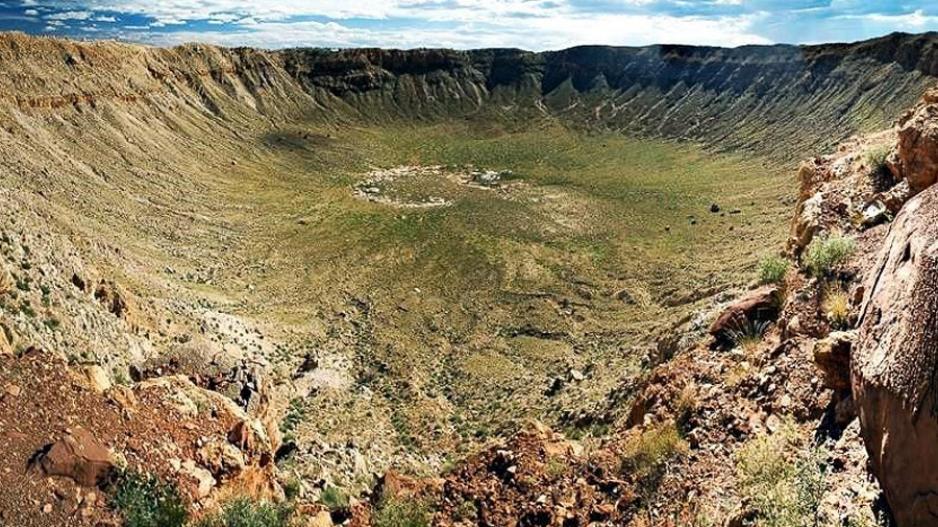
The Tswaing Crater near Pretoria

The Vredefort impact event had profound geological effects, both locally and globally. The intense heat generated by the impact caused rocks in the vicinity to melt and subsequently cool, forming distinctive structures known as shatter cones. The immense pressure generated during the collision also led to the creation of extensive fault systems, fractures, and folding of the Earth’s crust, further shaping the landscape.

The Vredefort Dome is not only a geological marvel but also an invaluable scientific resource. The impact structure provides scientists with a window into the Earth’s deep past, offering insights into the processes that shaped our planet billions of years ago. Studying the Vredefort Dome allows geologists to better understand meteorite impact dynamics, planetary evolution, and the long-term effects of such cataclysmic events on Earth’s geology and life forms.
Due to its scientific and cultural significance, the Vredefort Dome was declared a UNESCO World Heritage Site in 2005. This recognition ensures the protection and preservation of this natural wonder for future generations, allowing scientists and visitors alike to marvel at the evidence of a cosmic event that shaped the very fabric of our planet.

The Vredefort Dome stands as a testament to the colossal power of meteorite impacts and the enduring influence they exert on our planet. The size of the meteorite that caused the Vredefort Dome, estimated to be between 10 and 15 kilometres in diameter, underscores the scale of the cataclysmic event. This ancient collision left an indelible mark on Earth’s geological history, providing invaluable scientific insights into our planet’s formation and evolution. The preservation and recognition of the Vredefort Dome as a World Heritage Site ensure that its significance will be appreciated and studied for generations to come.
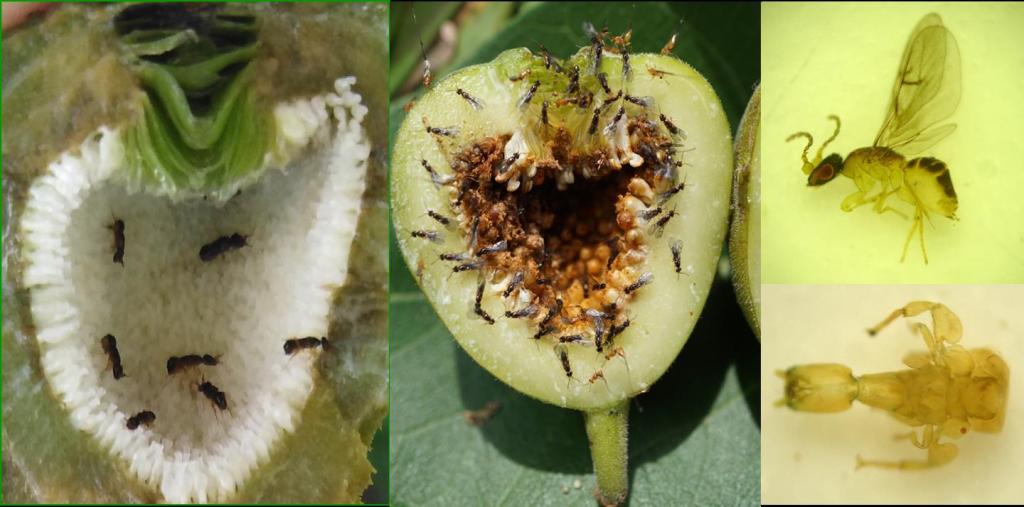
Wasp Pollination in Figs

Nature is a harmonious web of interdependencies, where countless species rely on one another for survival. Among the many intricate ecological relationships, the fascinating alliance between wasps and figs stands out. Within this unique partnership, wasps play a crucial role in pollinating fig flowers, while figs provide a specialized habitat for these remarkable insects. This essay explores the intricate process of wasp pollination in figs and highlights the significance of this mutually beneficial relationship.
The interaction between wasps and figs exemplifies a textbook case of mutualism, a symbiotic relationship where both species benefit. Fig trees (genus Ficus) depend on fig wasps for successful pollination, while wasps rely on figs for reproduction and a safe haven for their developing offspring. This intricate relationship has evolved over millions of years, resulting in a remarkable co-dependence that ensures the survival of both species.

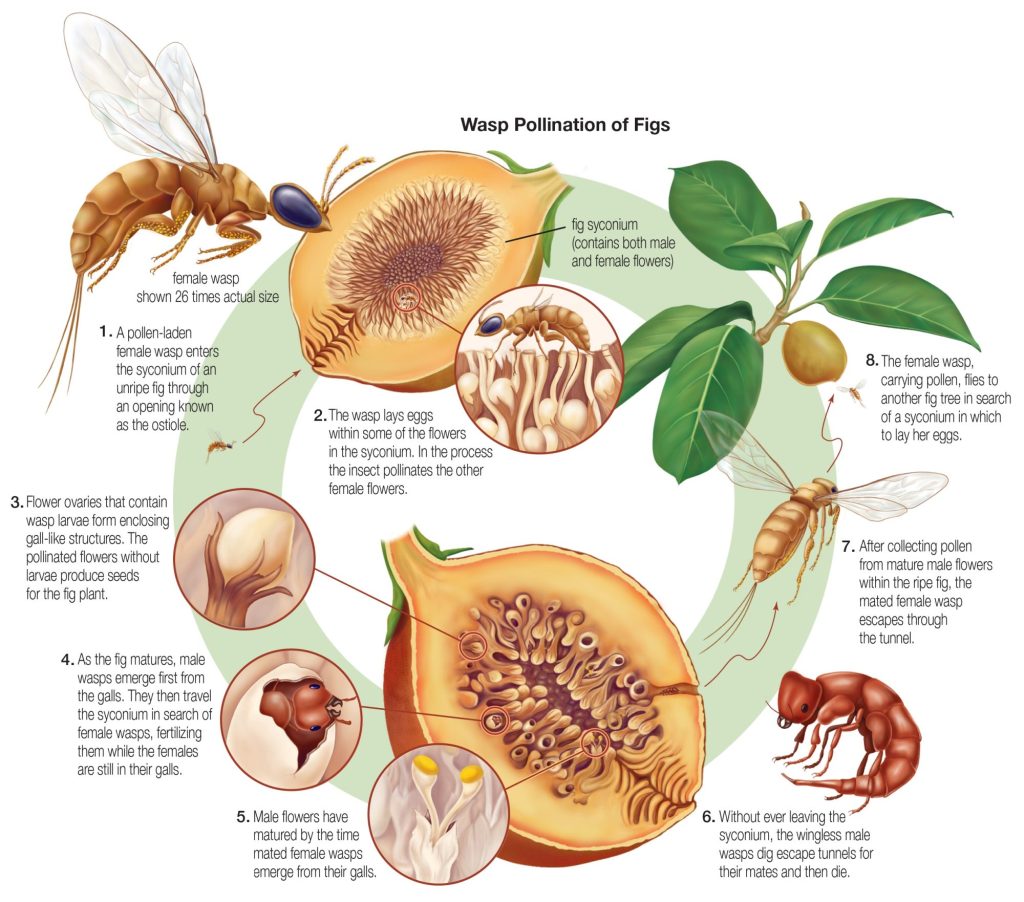
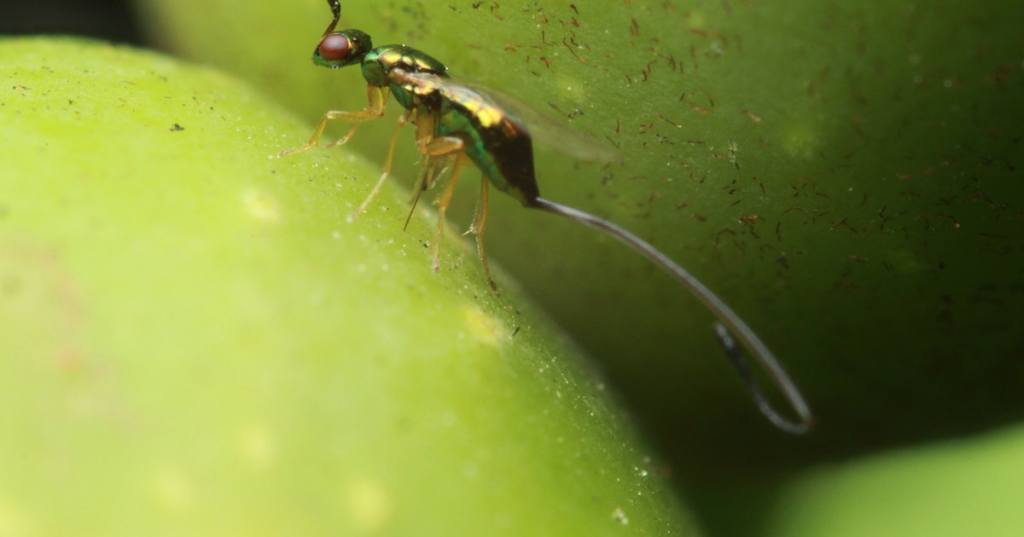
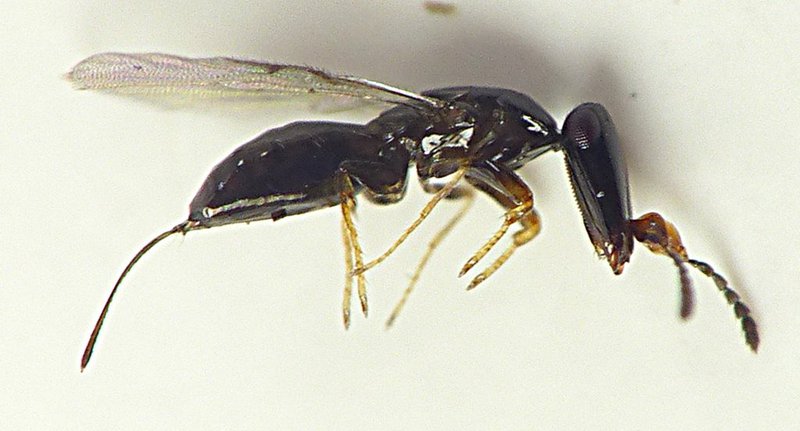
The life cycle of fig wasps revolves around the fig fruit itself. Female fig wasps enter a receptive fig through a tiny opening known as the ostiole, which serves as an entry point for their pollination mission. Inside the fig, the wasps lay their eggs within the unopened female flowers, and in the process, inadvertently transfer pollen from their previous fig visit. This intricate process, known as mutual pollination, ensures cross-pollination between fig trees, promoting genetic diversity and increasing the chances of successful reproduction.

Fig wasps are remarkably adapted to their role as pollinators. Different species of figs have co-evolved with specific species of wasps, resulting in a high degree of specialization. Each fig species has its own unique species of wasp that exclusively pollinates it. This remarkable level of specificity is due to the intricate morphology of fig flowers and the corresponding specialized body features of the wasps, ensuring a successful pollination process within each specific fig species. The wasps have become finely tuned to detect and enter only the appropriate fig species, thus maintaining the delicate balance of the fig-wasp mutualism.

Once the fig wasp has laid her eggs, she dies within the fig, providing nourishment for the developing larvae. Male wasps hatch first, maturing within the fig. They fertilize the females and then chew exit tunnels, enabling the wingless female wasps to escape and find new receptive figs to continue the cycle. As the females exit, they inevitably come into contact with pollen, collecting it on their bodies to transport to the next receptive fig, thus perpetuating the process of pollination and ensuring the survival of both figs and fig wasps.

The intricate relationship between wasps and figs highlights the delicate balance of nature’s ecosystems. Disruptions to this partnership can have far-reaching consequences, affecting not only the figs and wasps but also the broader biodiversity that relies on their mutualism. It is crucial to recognize the importance of conserving fig habitats and preserving the diversity of fig wasp species to maintain the integrity of this unique ecological relationship.

The fascinating alliance between wasps and figs serves as a testament to the remarkable intricacies of nature. As fig wasps pollinate fig flowers, they ensure the reproductive success of fig trees, while finding a specialized habitat within the figs themselves. This mutually beneficial relationship exemplifies the interconnectedness of species in the natural world and underscores the significance of preserving biodiversity and protecting the delicate balance of ecosystems. By understanding and appreciating the wonders of wasp pollination in figs, we gain deeper insights into the complexity and beauty of nature’s interdependent relationships

Design a site like this with WordPress.com
Get started