The Catastrophic of the German Insect Population

The catastrophic collapse of the German insect population is a cause for concern. According to recent research, the insect population in Germany has declined by 75% over the past three decades, with a significant decrease in the number of flying insects.
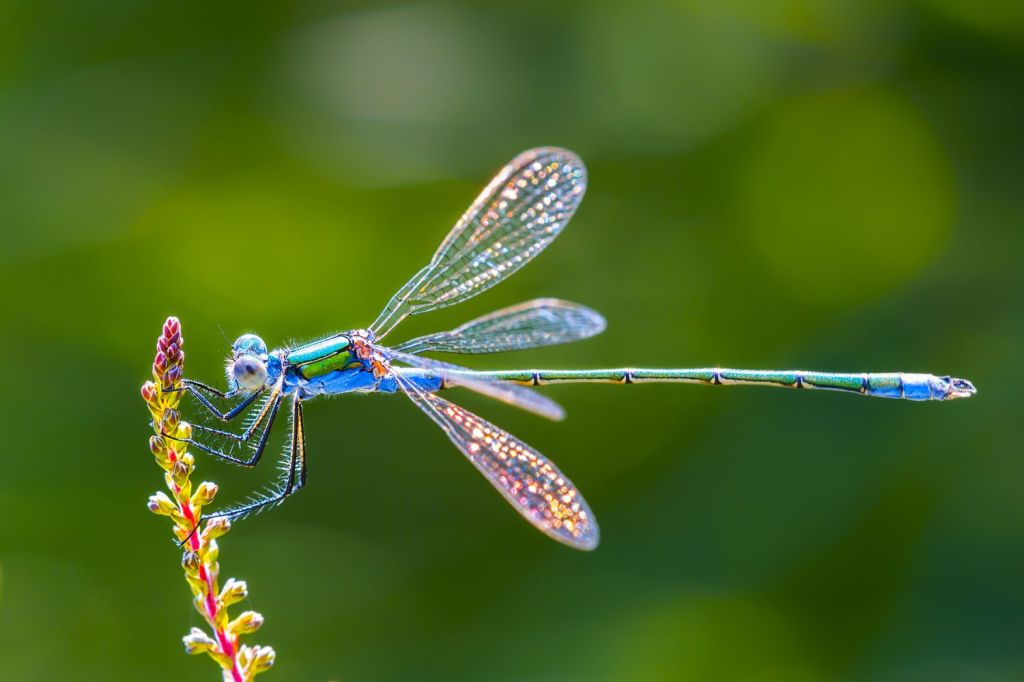
Insects are a crucial part of the ecosystem. They play a critical role in pollination, decomposition, and nutrient cycling. Without insects, food production, and human survival would be at risk. The loss of insects could lead to an ecological catastrophe, with knock-on effects on the food chain and the environment.
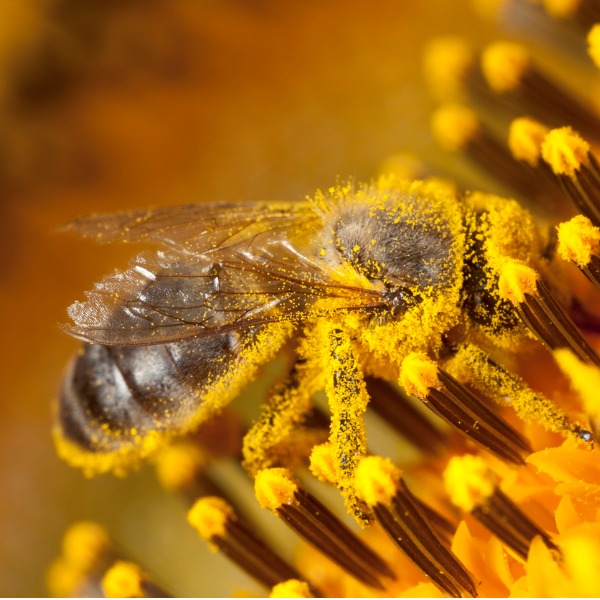
The primary causes of the insect population decline are habitat destruction, pesticide use, and climate change. Urbanisation, intensive farming, and deforestation have destroyed the natural habitats of insects, leaving them with fewer places to live and breed. The use of pesticides has also been linked to the decline in insect populations. Pesticides kill not only the targeted pests but also beneficial insects that provide ecosystem services. Climate change has altered the timing of seasons and affected the availability of food sources for insects.

To address the catastrophic collapse of the German insect population, urgent action is needed. This includes reducing pesticide use, restoring habitats, and promoting sustainable agriculture. Farmers can use alternative pest control methods such as crop rotation, natural predators, and biological controls. Urban areas can create green spaces, reduce light pollution, and plant native vegetation to provide habitats for insects. Individuals can also play a role by reducing their use of pesticides, supporting sustainable agriculture, and planting pollinator-friendly plants.

The collapse of the German insect population is a wake-up call for us to take action to protect the environment and the vital ecosystem services that insects provide. The loss of insects is not just a problem for Germany but for the world. We must act now to reverse this trend and safeguard the future of our planet.
Larva Stages – Why Some Take A Long Time

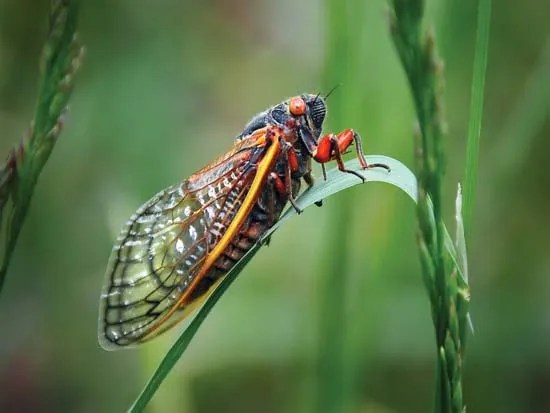
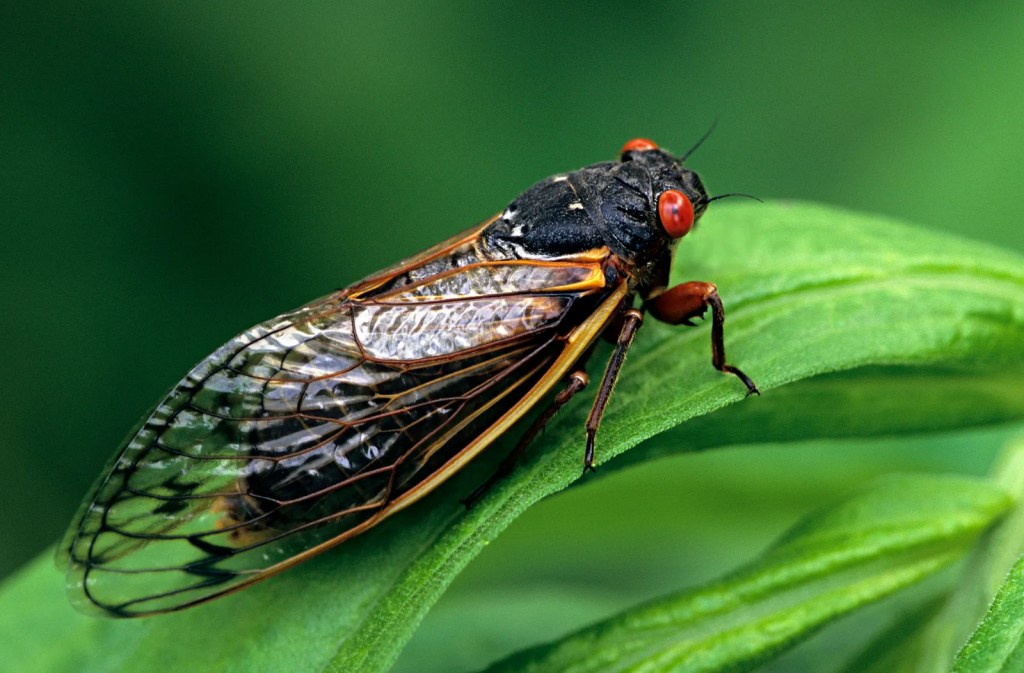
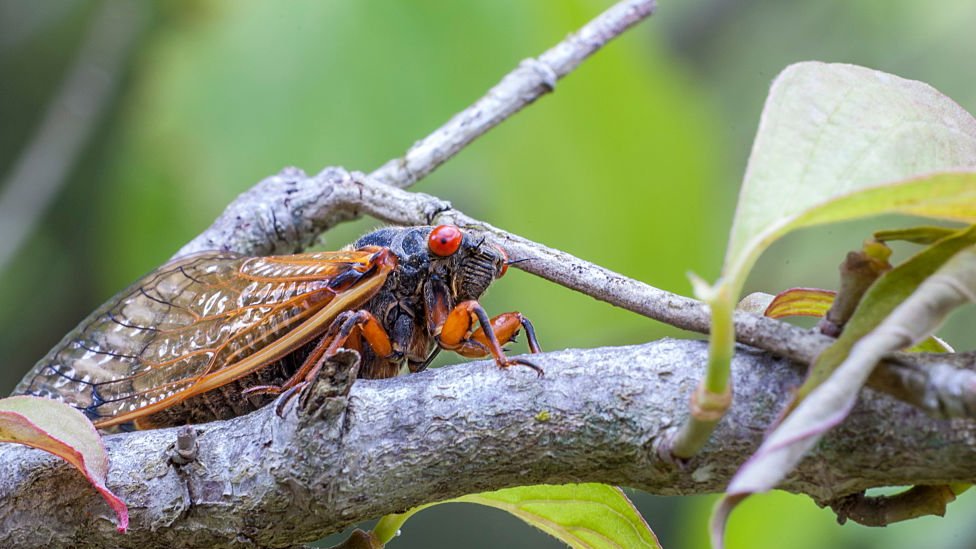
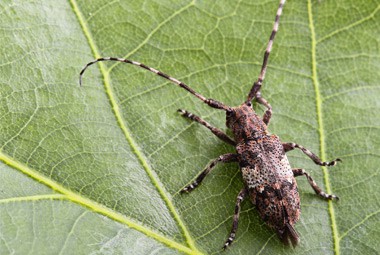
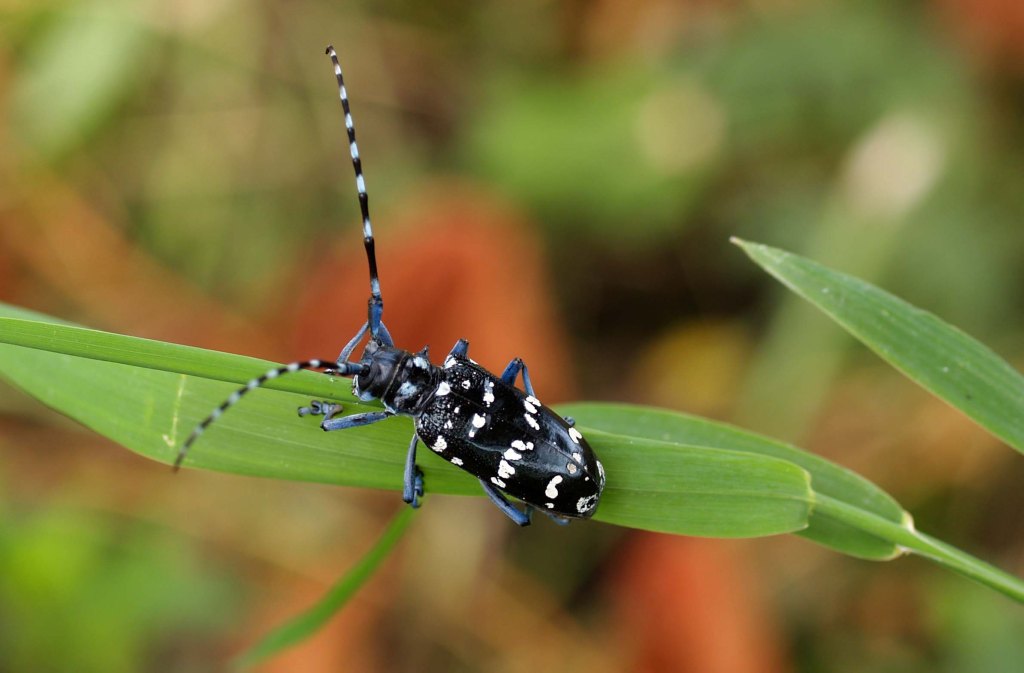
Some insects have very long larval stages, which can last several years, before they finally emerge as adults. This is particularly evident in long-horned beetles and cicadas. There are several reasons why these insects have evolved to have such extended periods of development.

One reason is that these insects have developed a strategy to avoid predators. By having a long larval stage, they can remain underground or hidden in trees, where they are less visible to predators such as birds and small mammals. This allows them to mature and develop their adult forms without being hunted and eaten before they can reproduce.

Another reason is that these insects have evolved to take advantage of specific ecological niches. Cicadas, for example, have developed a strategy of mass emergence, where they all emerge as adults at the same time after spending several years underground. This synchrony of emergence allows them to overwhelm their predators and reproduce in large numbers. Long-horned beetles, on the other hand, have evolved to feed on specific types of wood, which takes several years to mature before they can be consumed.

These insects have developed a strategy of resource allocation. By having a long larval stage, they can accumulate more resources and energy, which they can then use to develop larger bodies and more impressive physical characteristics as adults. This allows them to attract mates and compete more effectively for resources and territory.  

Understanding these unique adaptations provides insight into the complex and fascinating world of insect evolution.

Fly Pollination

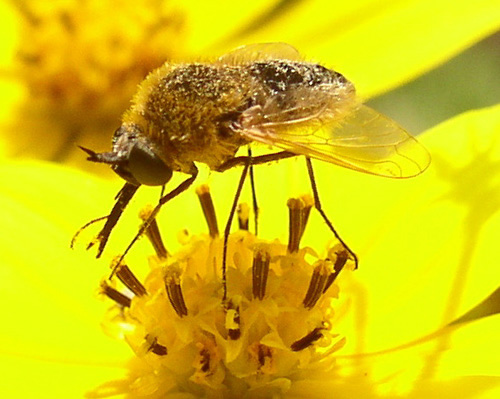
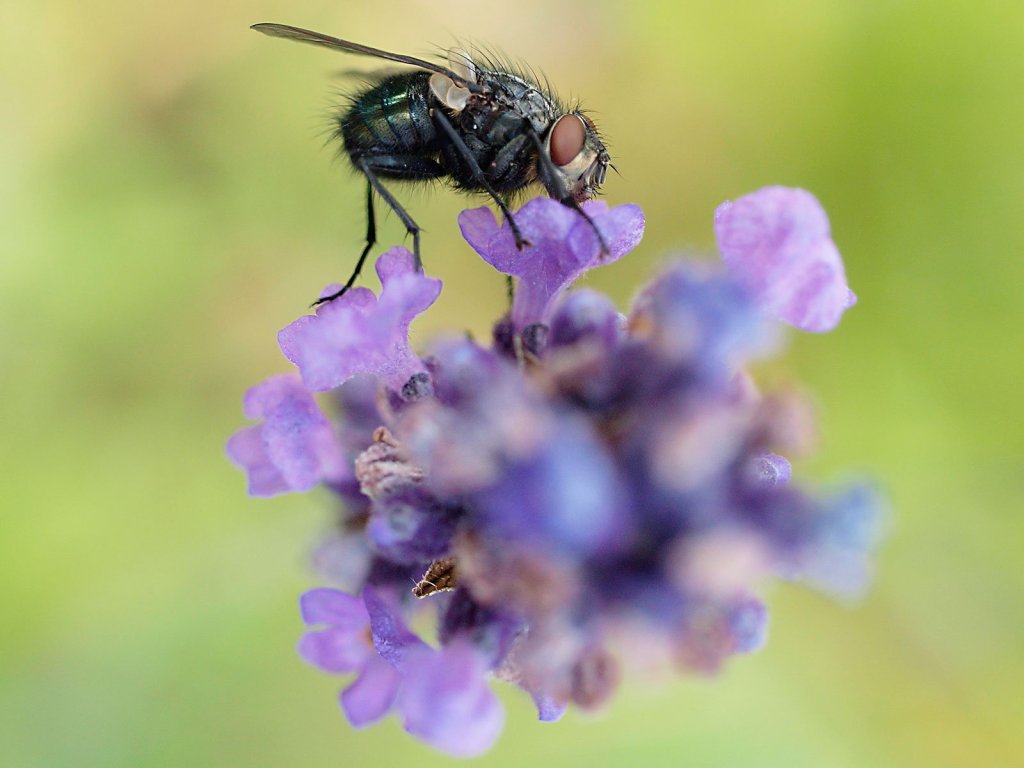
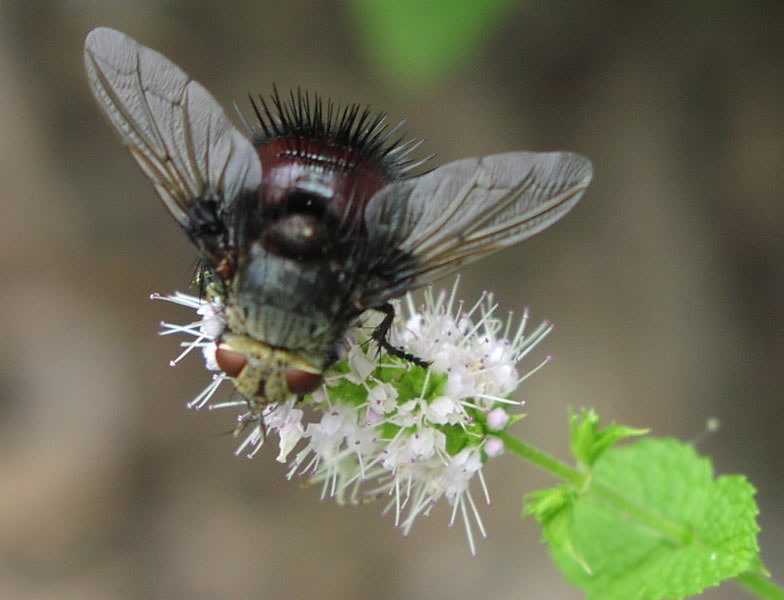
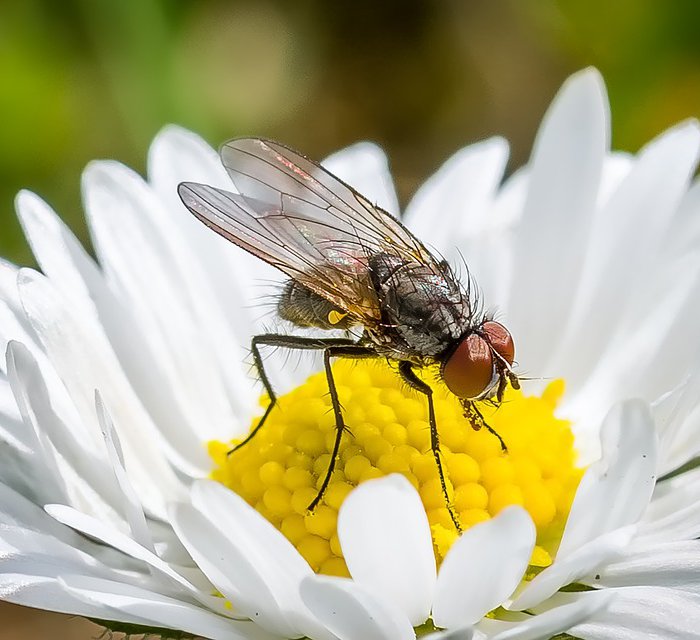
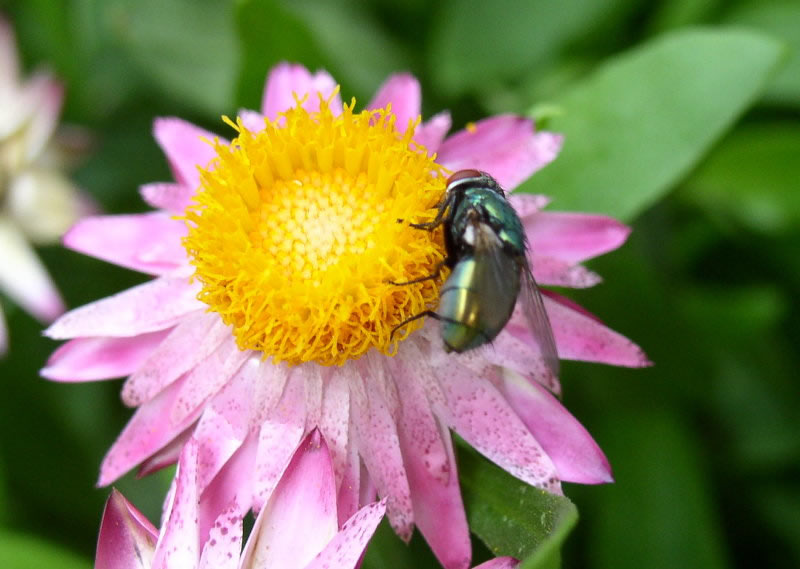
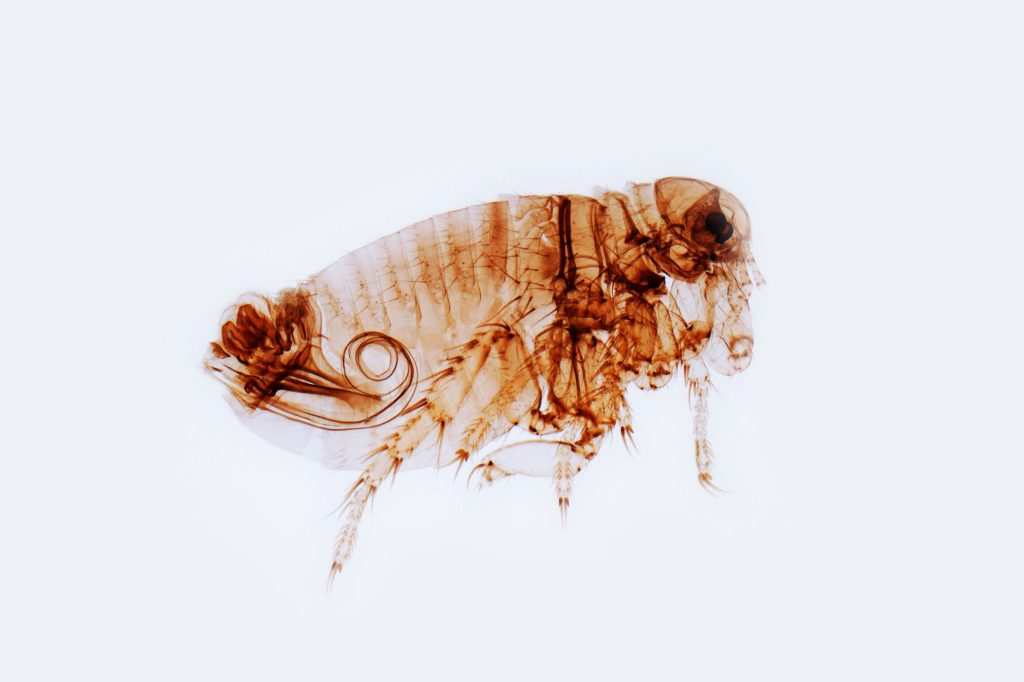
Flies are not just pests. Fly pollination is a crucial process that involves the transfer of pollen from the male to the female reproductive parts of flowers by flies. Flies, particularly those that feed on decaying matter, play a significant role in the pollination of plants. While they may not be as popular as bees, butterflies, or hummingbirds, they are essential in maintaining the balance of various ecosystems.

Flies are attracted to flowers that emit an unpleasant odour or have decaying matter, which serves as their primary source of food. These flowers typically have a dull colour, which is not visually appealing to other pollinators. Flies are also attracted to plants that produce a sap-like secretion, which they feed on.

When flies land on flowers, they use their legs to cling to the surface and begin to feed. As they feed, the pollen grains stick to their bodies, particularly their legs, which they carry to other flowers they visit. When they visit another flower of the same species, the pollen grains rub off, fertilising the female reproductive parts.

While fly pollination may not be as efficient as other forms of pollination, it plays a vital role in the pollination of various plant species. For instance, it is responsible for the pollination of plants such as pawpaw, magnolia, and goldenrod. Without these flies, these plants would not be able to reproduce and would ultimately die out.

Fly pollination may not be as glamorous as other forms of pollination, but it is essential in maintaining the balance of various ecosystems. We need to appreciate the crucial role that flies play in our environment.

The Vivipary Of Mangroves

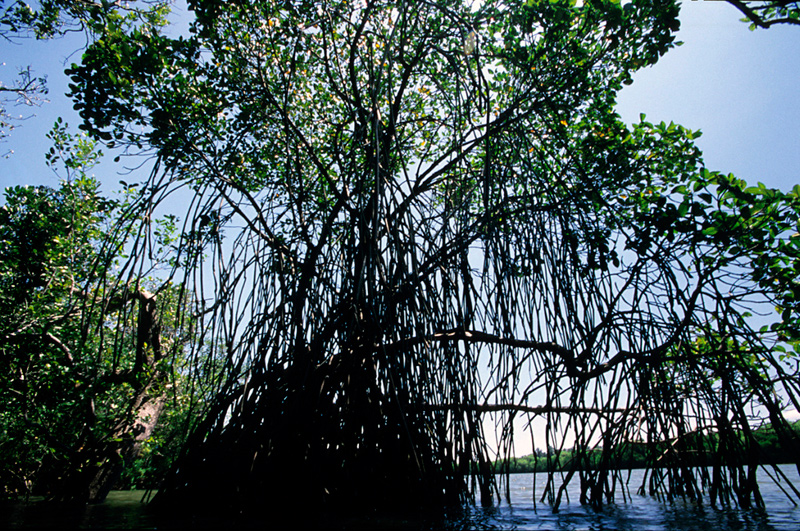
Mangroves are defined as salt tolerant trees and shrubs that grow in the intertidal regions of the tropical and subtropical coastlines. They grow luxuriantly in the places where freshwater mixes with seawater and where sediment is composed of accumulated deposits of mud. 

Mangrove species have unique way of reproduction, which is generally known as vivipary. Seeds germinate and develop into seedlings while the seeds are still attached to the parent tree. These seedlings are normally called as propagules and they photosynthesise while still attached to the mother tree. The parent tree supplies water and necessary nutrients. They are buoyant and float in the water for some time before rooting themselves on suitable soil.

The Honey Badger And Its Defence Against Snake Bites

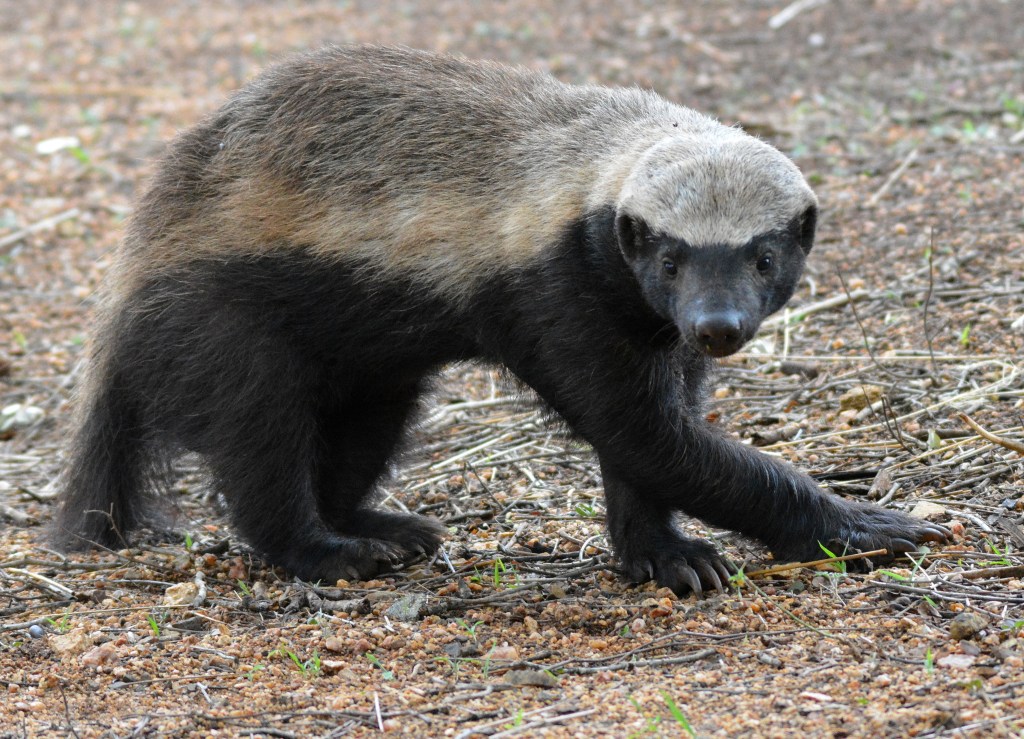
Honey badgers are more closely related to a weasel than a European badger, and they don’t eat honey, though their weakness for beehives often gets them in trouble with humans. They live in a wide range of habitats, from forests to deserts, but mostly hang out in dry area in Africa, the Southwest Asia and India.

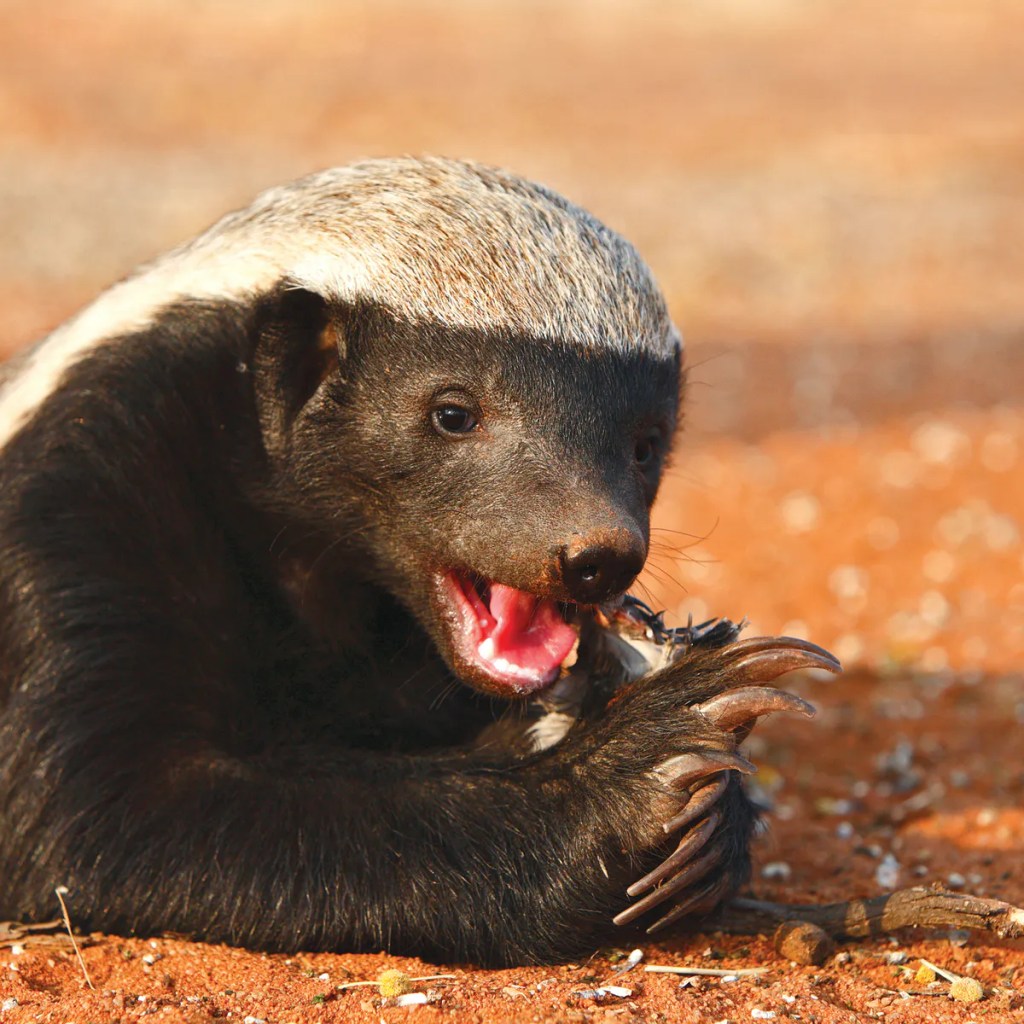
Honey badgers’ thick skin is loose — so loose, in fact, that they can almost turn around completely within it. If an animal bites the honey badger on the back, it can turn right around and bite the animal right back. They have long claws on their front feet that they use for digging, but which they use for fighting as well. Inexperienced predators — a young leopard, lion, or hyena, for instance — might try to attack a honey badger once, but they’ll never try it again after the first time.

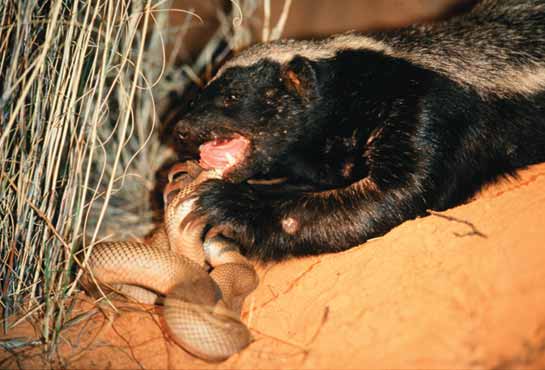
Honey badgers often tangle with venomous snakes, but one misconception is that are naturally immune to venom. While it’s true they eat a lot of venomous animals, their immunity needs to be developed over time. How honey badgers acquire this immunity is not well studied or understood, but mother honey badgers spend a long time raising each pup (14-18 months), and as the baby grows, its mom slowly introduces it to venomous animals, starting with the mildest scorpion and moving up the venom ladder until the youngster is eating cobras and puff adders.

What Are Decapods?

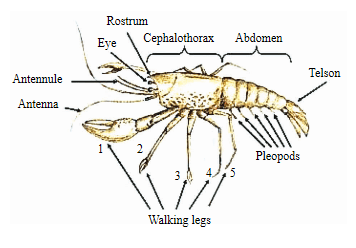
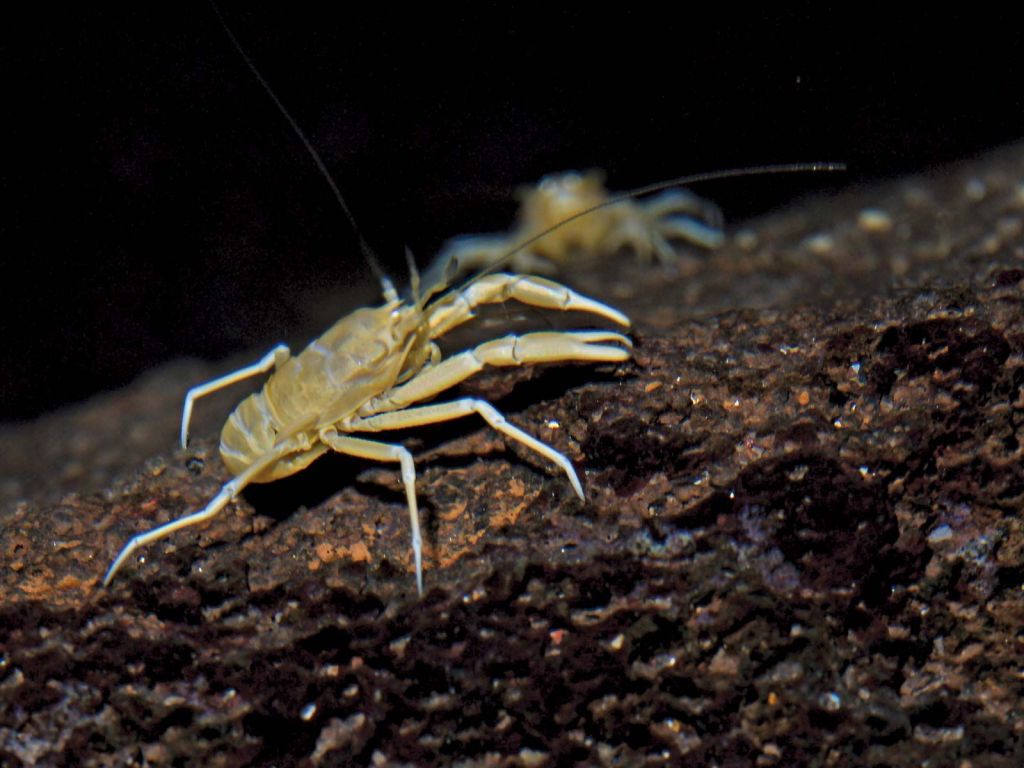
Decapods have 10 legs. The last five pair of appendages on their thorax are walking legs. In some species, the first pair of walking legs have large pinchers or chelipeds.

Decapods have 3 pairs of appendages, or maxillipeds, on their heads that make up their mouthparts. They also have two pairs of antennae on their heads. Crabs, shrimp, krill, and lobsters are all decapods.

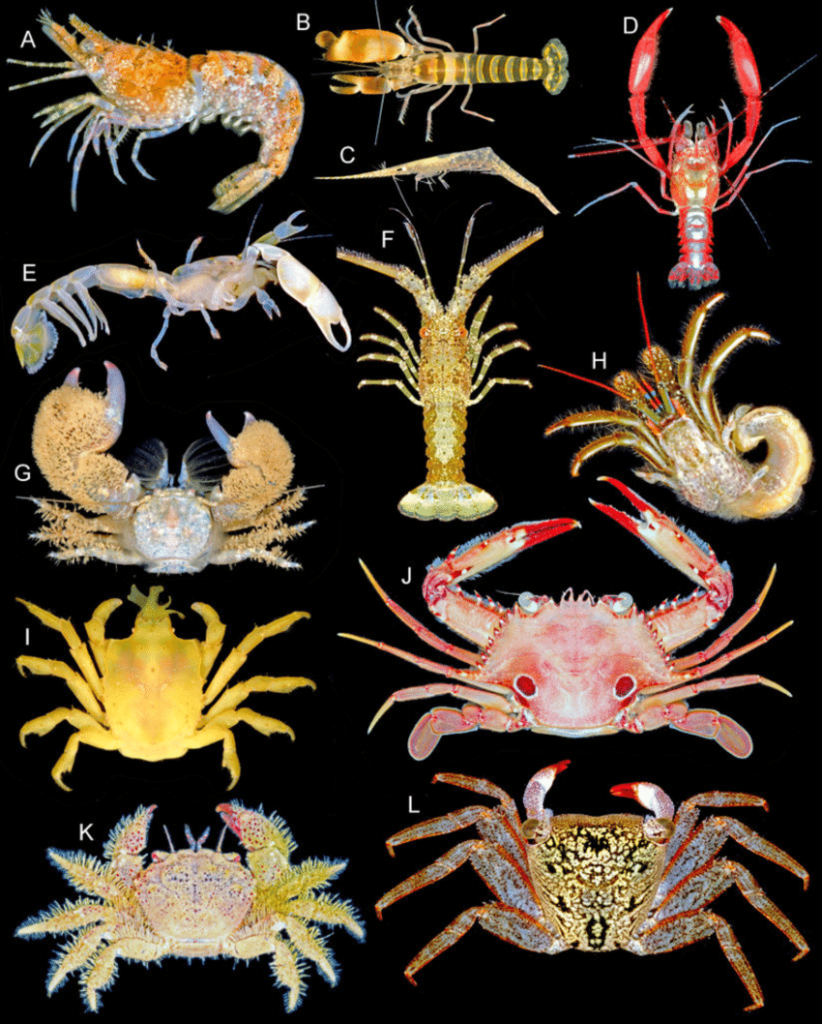
Decapods are primarily marine animals and are most abundant in warm, shallow tropical waters, but they are exploited commercially throughout the world. The presence of five pairs of thoracic legs (pereiopods) is the basis for the name decapod. Members of the order exhibit great diversity in size and structure. The macrurous (shrimplike) species, which can be as small as 1cm, have elongated bodies with long abdomens, well-developed fan tails, and often long, slender legs. The brachyurous (crablike) types, which in the case of spider crabs can have spans of almost 4m between their outstretched claws, have bodies that are flattened and laterally expanded, frequently with stout, short legs and reduced tail fans.

Thorns Verses Toxins In Plants

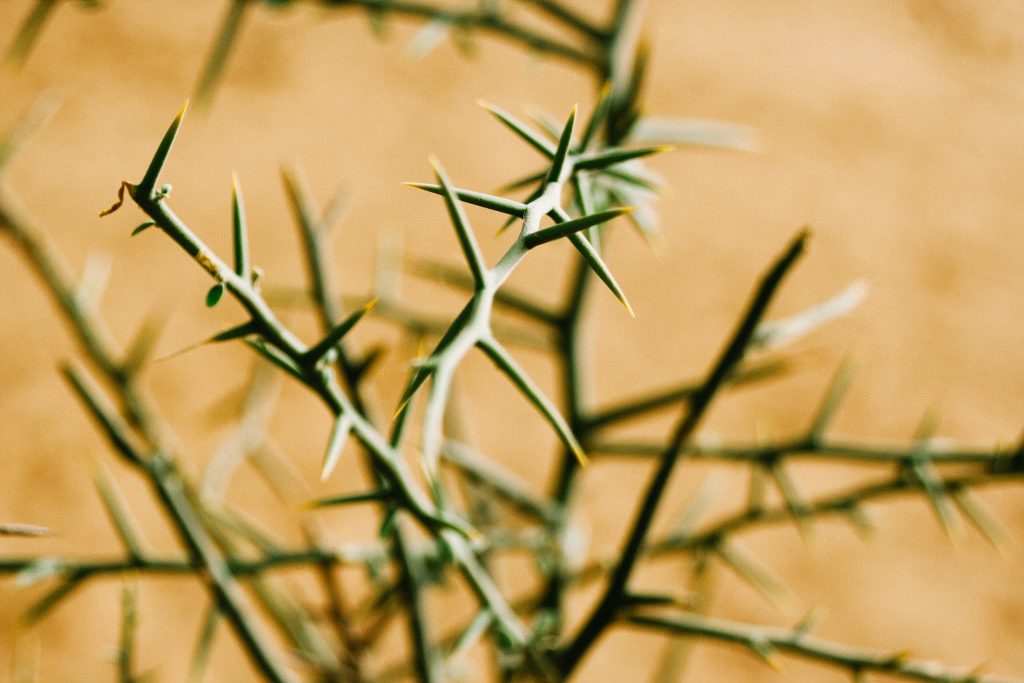
Plants have evolved all sorts of wickedly clever defence mechanisms, and the most primal—and effective—are thorns, prickles, and spines. They are designed to keep animals away, and as shade in very hot climates. While problematic for maintenance and pruning, when it comes to your personal home security, these masters of pain handily defend your property. As a bonus, most of these thorny plants trick themselves out with delicate blossoms and colourful berries. 

Plant toxins are naturally occurring phytochemicals formed by plants to protect themselves against various threats like bacteria, fungi, insects, and predators. Toxins can be present in commonly consumed human foods like fruits and vegetables. The casava tuber, a staple diet in many countries contains cyanide and can kill you if not prepared properly. The monkey orange in Kwazulu-Natal contains strychnine when raw, and will definitely make you feel unwell. 

Why Bees Use The Hexagon In Construction

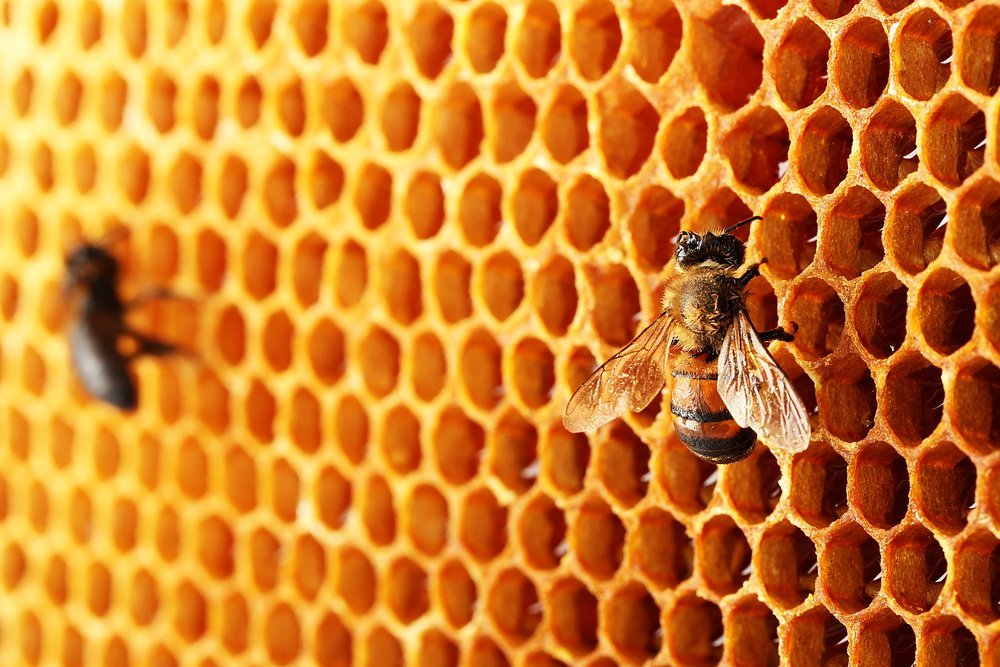
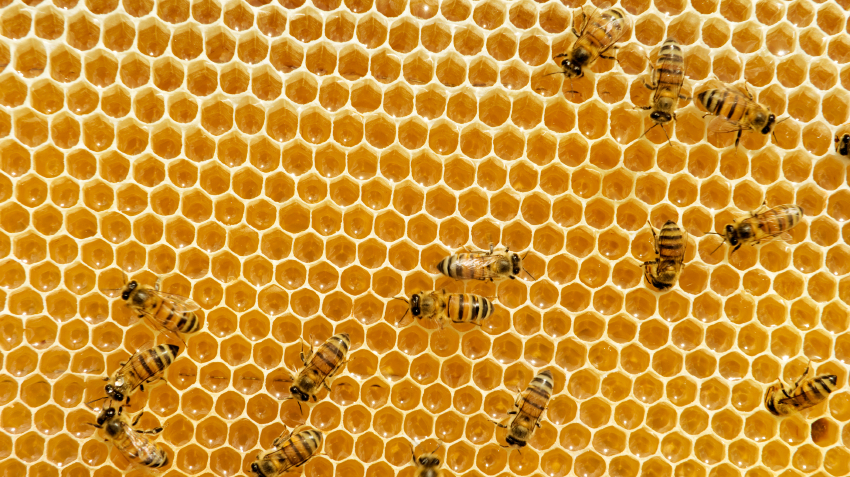
It’s well known that honey bees, build wax combs which are used for storing honey and rearing larvae.  But why do honey bees use hexagons?

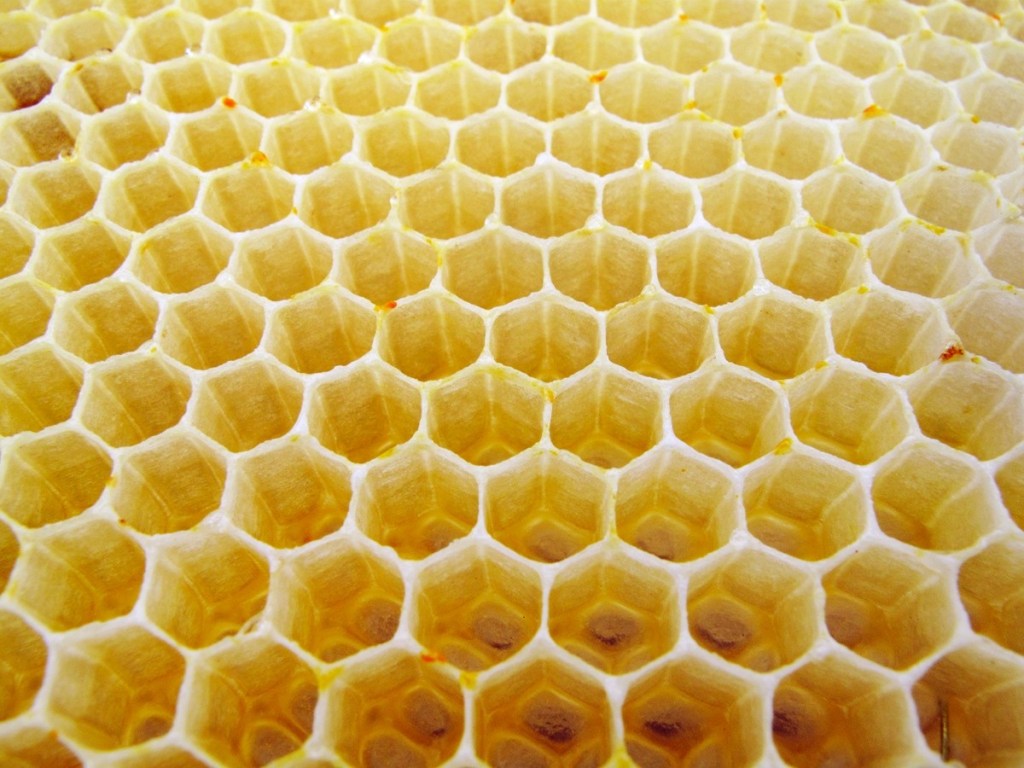
Using hexagons enables bees to make very efficient use of space whilst using as little wax as possible.  They hold the maximum amount of honey, whilst ensuring no space is wasted, because the hexagons fit tight, and side by side together, in a compact fashion.  

Honeycomb

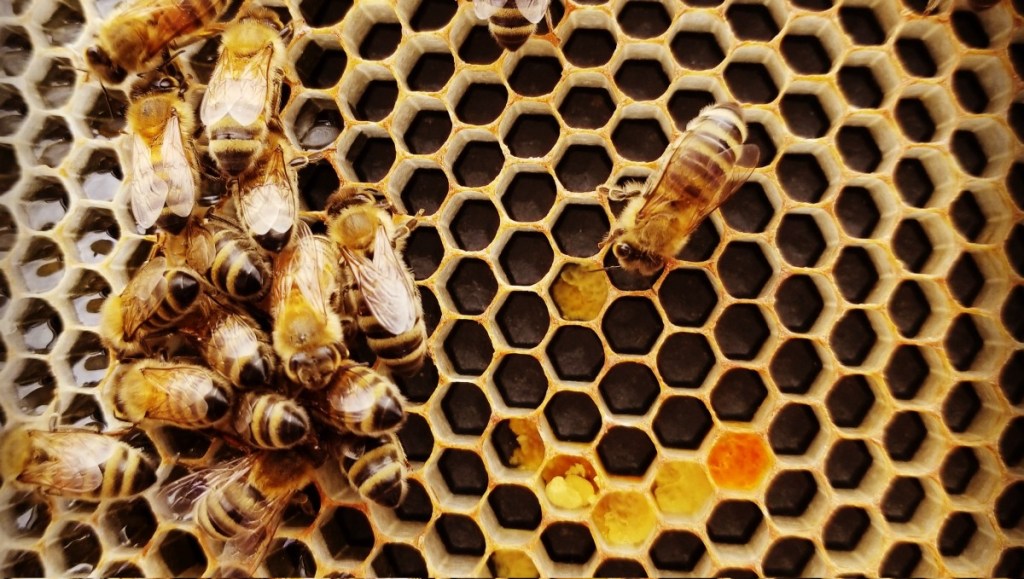
It should be said that much effort is required for bees to make honeycombs.  Wax is first secreted by young bees, and carefully constructed into perfectly uniform hexagonal-shaped wax cells by many worker bees.  Many individual cells must be made in order to have sufficient comb for storing honey. 

Honey is the bees’ natural food source, eaten by colonies during the winter months when there are insufficient flowers from which to feed. Some of the hexagonal beeswax cells will actually be used for rearing their young. 

By ensuring that all cells are identical and with uniform, straight edges, then the cells fit perfectly, neatly and tight together.  Gaps are minimised, meaning that no vital space is wasted, and each individual cell shares its walls with its neighbour. Bees are able to produce the maximum number of cells with the amount of wax used.

It’s no secret that the efficiency of the hexagon shaped honeycomb created by the humble but amazing honey bee has inspired humans in the creation of buildings, transportation and storage.  However, the hexagon structure of the honeycomb is also used in mechanical and chemical engineering, biomedicine and nanofabrication.  Honeycomb structure has even been designed into snowboards!

Why Are Parasites So Important

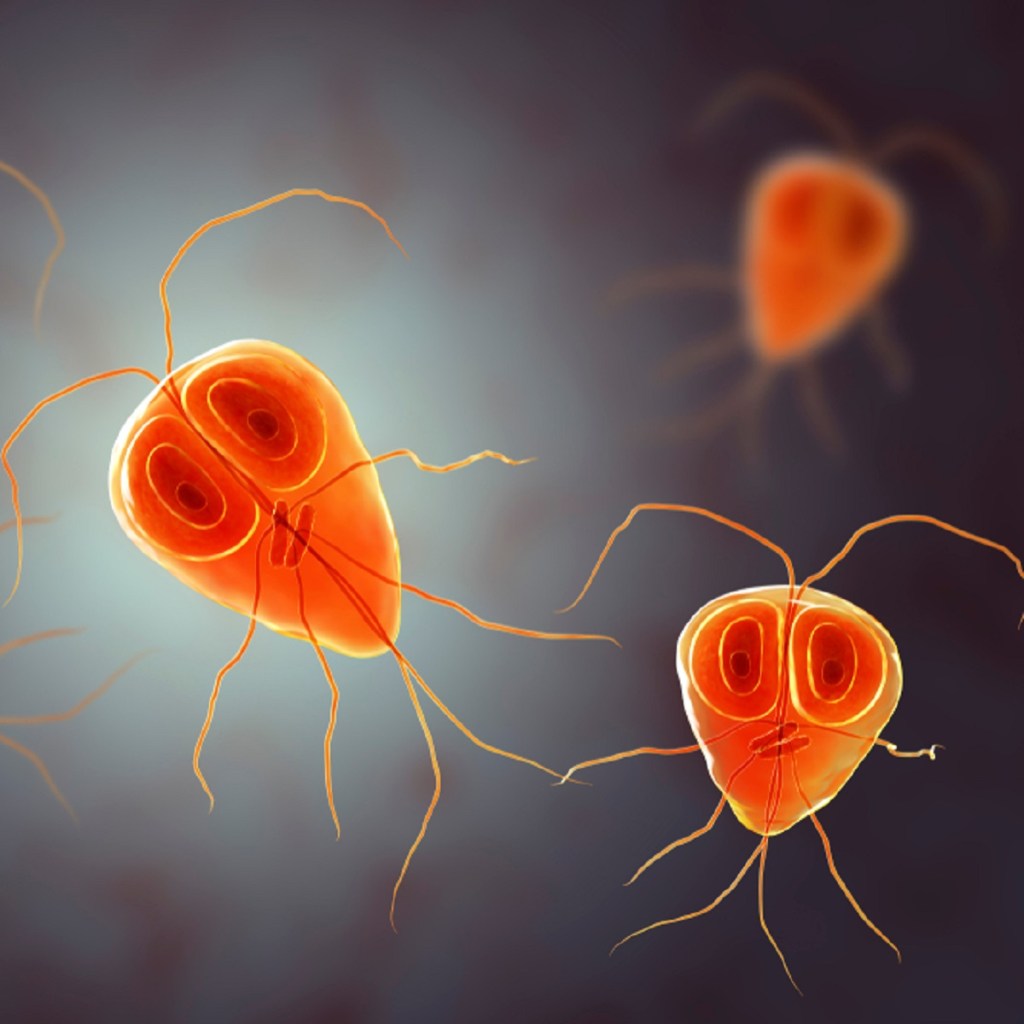
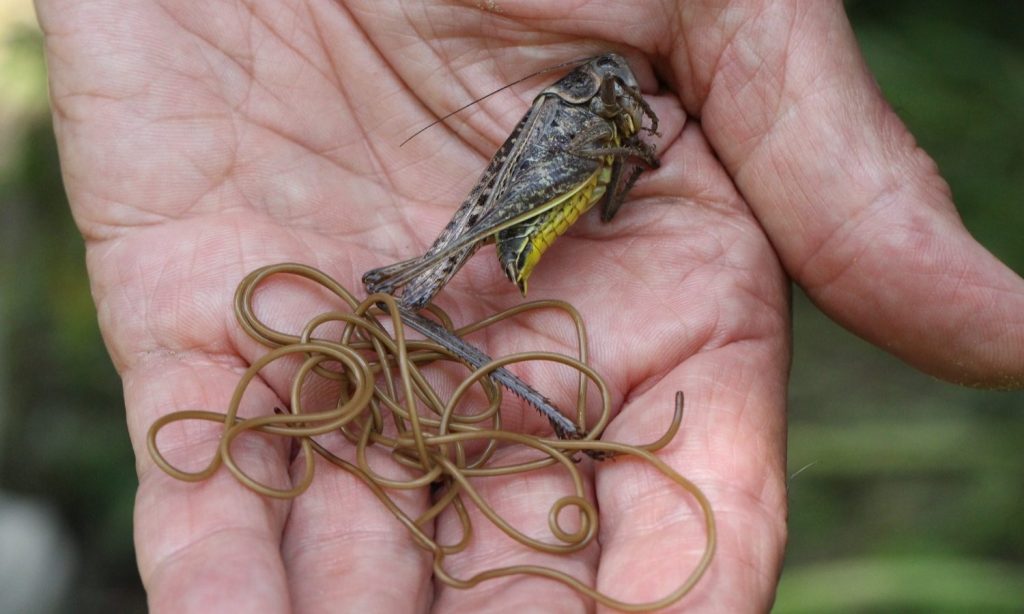
The ecological interactions of parasites are often challenging to observe. Many live their lives secretively, in intimate contact with their host, but invisible to the outside world. With some notable exceptions, parasites also tend to be very small. It may be easy to assume then, that since parasites are generally unnoticeable, they play less important roles in community ecology than free-living organisms. Parasites are not only ecologically important but can sometimes exert influences that equal or surpass those of free-living species in shaping community structure. In fact, parasitism is more common than traditional predation as a consumer lifestyle, and arguably represents the most widespread life-history strategy in nature. Parasites also influence host behaviour and fitness, and can regulate host population sizes, sometimes with profound effects on trophic interactions, food webs, competition, biodiversity and keystone species.

Parasites can function as both predators and prey. Parasites that feed on hosts engage in a special type of predation. Parasites can also serve as important sources of prey. Predators also inadvertently consume parasites during the consumption of infected hosts. The roles of parasites as predators and prey suggest that considerable amounts of energy may directly flow through parasites in food webs, despite their small size and cryptic nature.

The prominent roles of parasites in food webs, competitive interactions, biodiversity patterns, and the regulation of keystone species, make it clear that parasites contribute to structuring ecological communities.

The Amazing Hearing of Owls

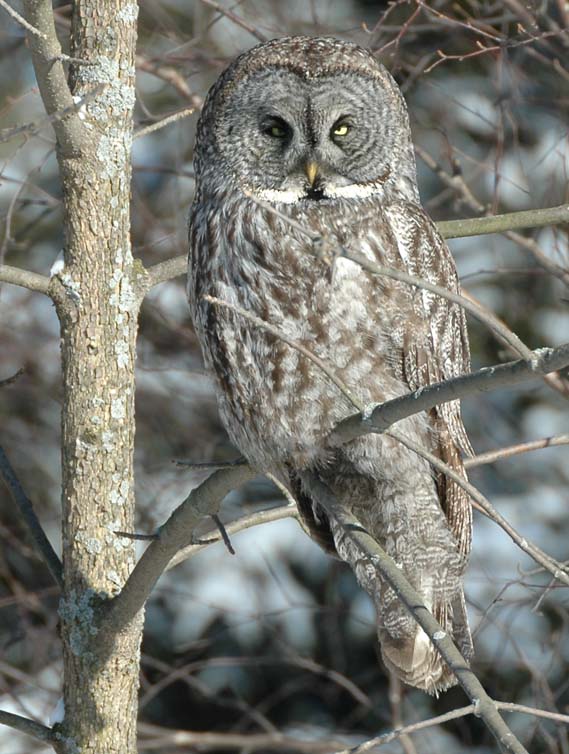
A Great Gray Owl showing off its distinct facial discs, which are used to funnel sound towards its ears.

Owls have superb hearing, some of the best in the animal kingdom. The shape of their face makes for excellent hearing: have you ever noticed how flat their faces look? This is because owls have facial discs that are surrounded by a ring of feathers that help gather sound like a satellite dish collects signals. Each of those feathers is movable and can change position to better funnel sound. That sound is channelled through the feathers to their ear holes on the side of their head.

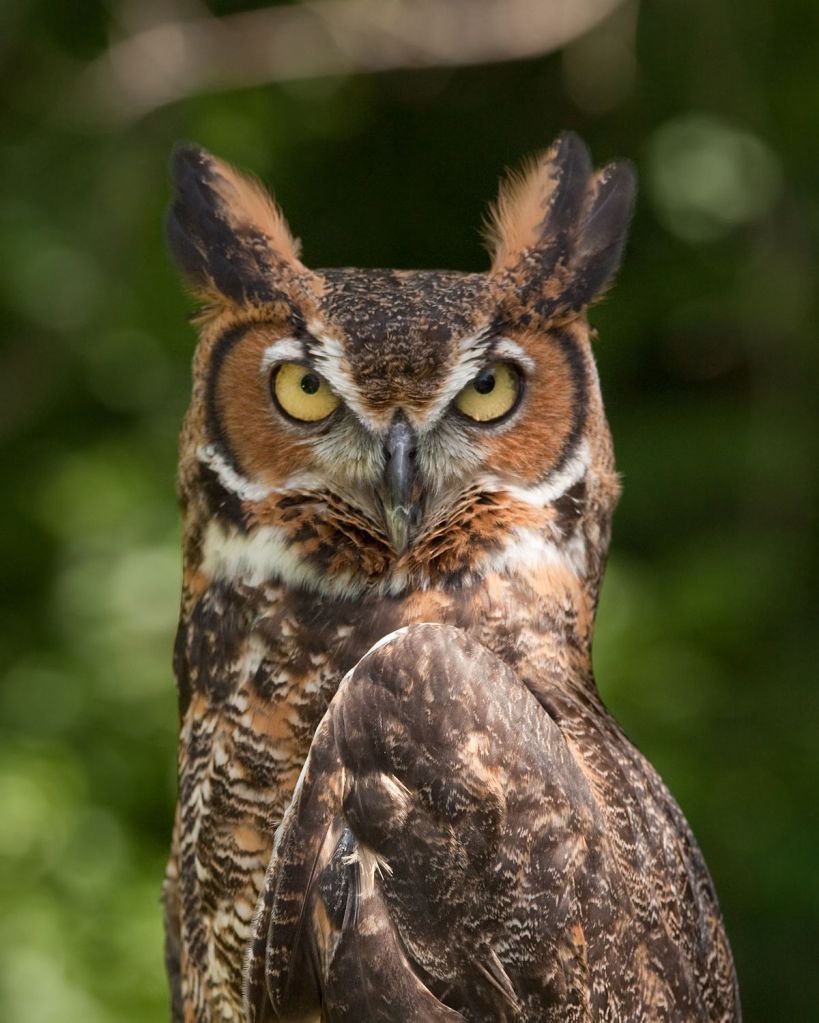
A Great Horned Owl with a funny expression showing off its plumicorns, those feather tufts used to help him camouflage, but not for hearing

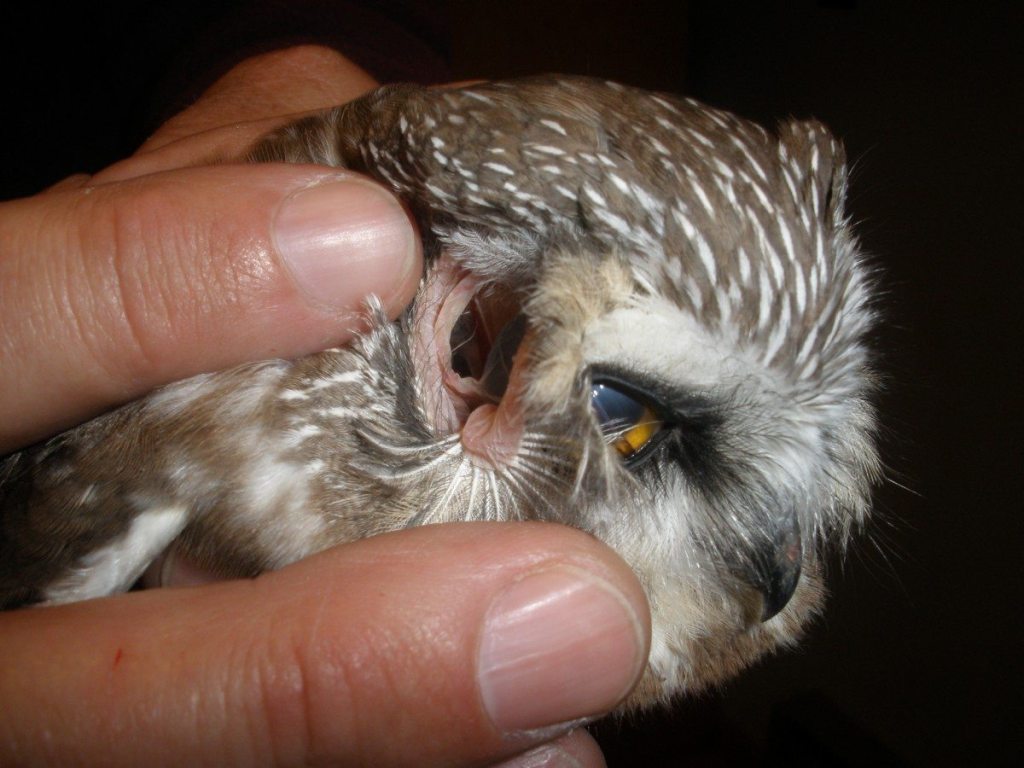
Wait, holes? But you heard their ears stick up! Those “ears” that stick up are actually feathers called plumicorns. They help with camouflage and communication with other owls but not with hearing. Their ears are actually on the sides of their head, just like yours! The ears are covered and protected by feathers and some owls even have flaps to protect the ears. This doesn’t hinder their hearing because the flaps are movable and can actually decrease the noise of turbulence during flight!

Owls have ear holes, just like we do! This Northern Saw-Whet Owl demonstrates how hidden they are on the side of their heads!

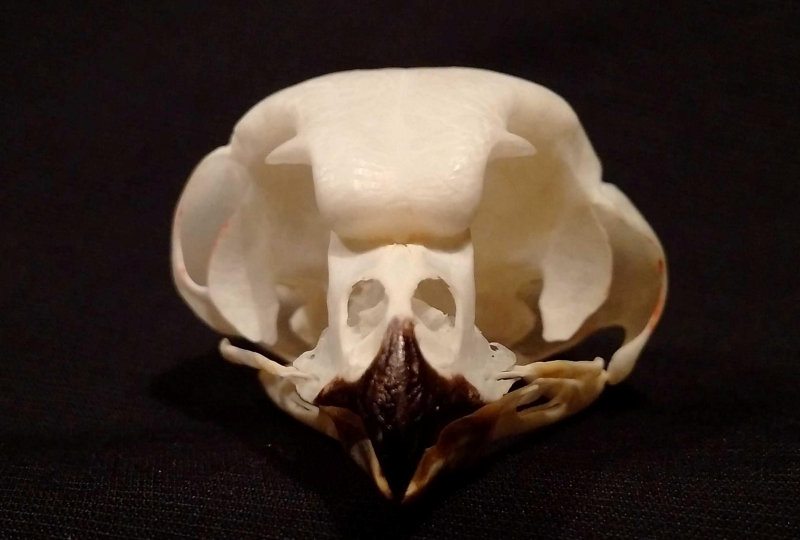
The ear holes themselves are super special too: they are asymmetrical. This means that one ear is higher than the other which is very helpful when it comes to hearing. With offset ears, the owl can tell not only if a sound is coming from the left or the right, but also from above or below. This setup is perfect for triangulating where a sound is coming from, sometimes to within millimetres of its origin. That triangulation allows an owl to swoop down, punch through a foot of snow, and pull out a mouse it has never seen! This asymmetry varies across owl species; some, like the Northern Saw-Whet skull pictured, have huge differences in the placement on the skull. Other species have their earflaps facing in different directions but the skull is less distorted-looking. Isn’t that amazing?!

Even cooler, many owls have a great ‘sound-location memory’ – this means that when they hear a sound, they make a map in their brain of where that sound is coming from relative to their location. They can do this because special cells in a distinct part of their brain are sensitive to sounds in different areas. This allows them to find the sound later. Try to think of it like this: if you have ever played marco polo or blind man’s bluff with friends, you’ll remember that when your eyes are closed you still usually have a good idea of where people are around you. This is because you can hear them and place them on your own ‘mental map.’

Finally, much like dogs, owls can hear a broader variety of sounds than we can and can also hear more details in the sounds. According to ProjectBeak, they can also “hear faster…humans can process sounds in bytes about 1/20 of a second long, but birds can distinguish notes up to 1/200 of a second. This means where we hear only one sound, a bird may hear as many as 10 separate notes!” Regardless of what you may hear about them, owls have some incredible hearing abilities. It makes you wonder what we humans are missing!

Design a site like this with WordPress.com
Get started