Grasslands and Forests

Grasslands:
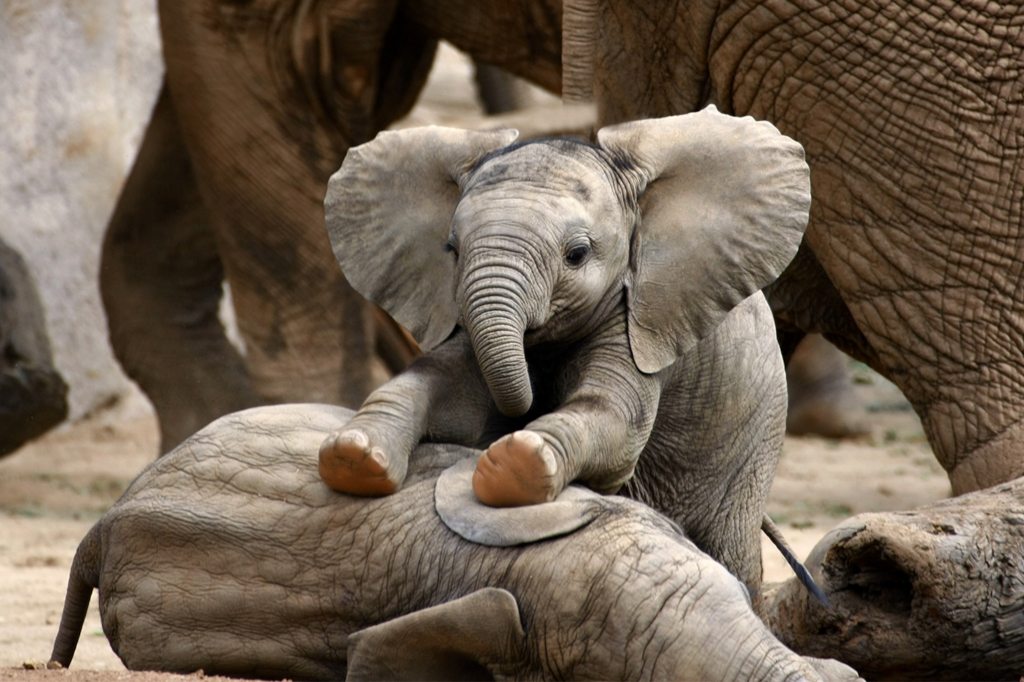
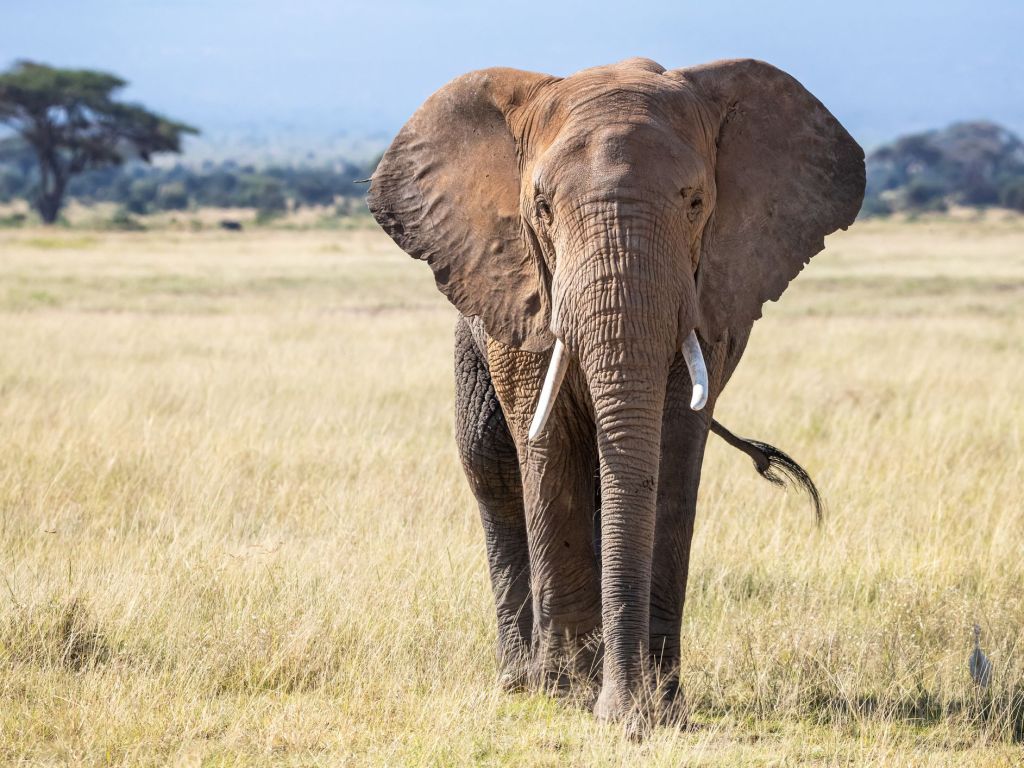
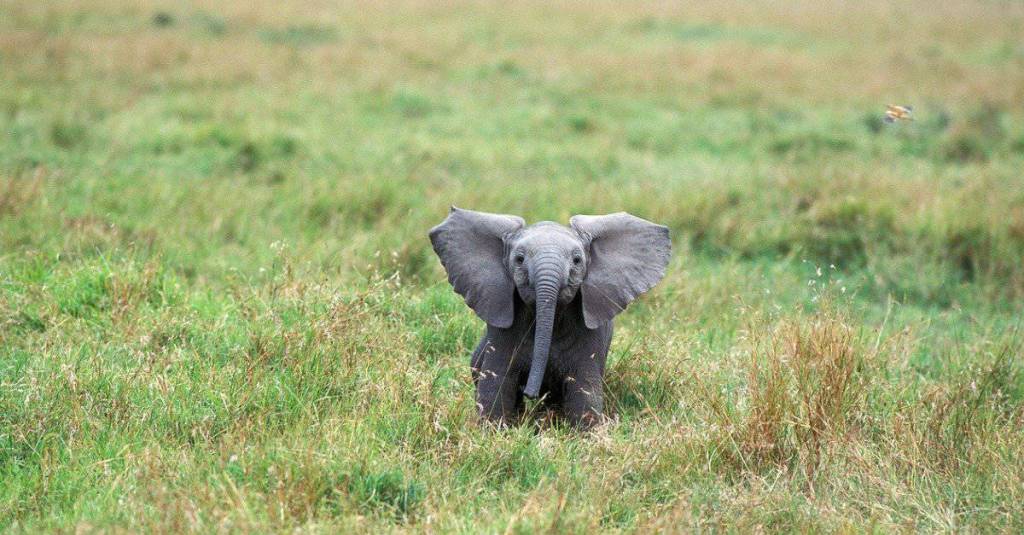
Grasslands occupy 25% of the earth’s surface. They are the home of the largest terrestrial mammal Elephant, the fastest runner Cheetah, the largest bird Ostrich and the heaviest snake Anaconda. The vegetation type in grassland is mainly dominated by grass and small plants. Dry climate prevails in grasslands throughout the year. The annual rainfall is less and comparable to forests. Lack of nutrients in soil implies poor vegetation.Grasslands are occupied by many grazing animals like zebra, gazelles, wildebeest, rhinoceros etc. Carnivores like lions, leopards and cheetahs are also an important part of the food chain in a grassland ecosystem.
Adaptations of animals in grasslands:
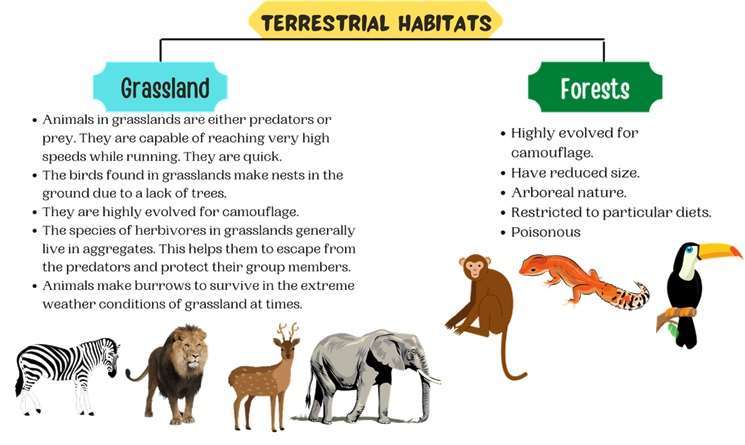
Animals in grasslands are either predators or prey. They are quick and are capable of reaching very high speeds while running. The birds found in grasslands make nests in the ground due to a lack of trees. The animals are highly evolved for camouflage. It helps them to hide in the open grounds. The herbivores in grasslands generally live in aggregates because it helps them escape the predators and protect their group members. Some animals make burrows to survive in the extreme weather conditions prevailing in the grasslands at certain times of the year.
Forests:
Forests are the home to almost 80 per cent of flora and fauna. Forests play a vital role in oxygen production. Along with plants and animals, they serve as the habitat for human beings, especially the tribal population. Along with plants and animals, they serve as the habitat for human beings, especially the tribal population.
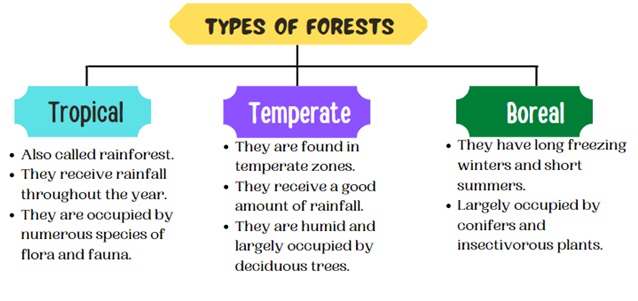
Adaptations of animals in forests:
Camouflage – It is a type of adaptation that allows an animal to blend with its surroundings. Due to their skin colouration and skin texture, the animals appear in such a way that it becomes difficult to isolate them from their surroundings. So, the predator cannot spot such an animal in the forest.

Mimicry – Some animals are adapted to look like other objects and animals around them. 

Limited diet – Some animals residing in the forest have adapted themselves to a limited diet in order to lower the competition for food.

Highly poisonous – Animals in the tropical rainforest are brightly coloured and highly poisonous, enabling them to survive in an environment surrounded by many predators.

Reduction in size and stature – Due to dense understorey, it will be difficult for large animals to move freely in dense forests. Hence, they have a reduced size compared to animals in other habitats.

Arboreal nature – To avoid the competition for food and space in the lower layers of the forest, some animal species have adapted the arboreal habitat. They spend most of their time clinging to trees.
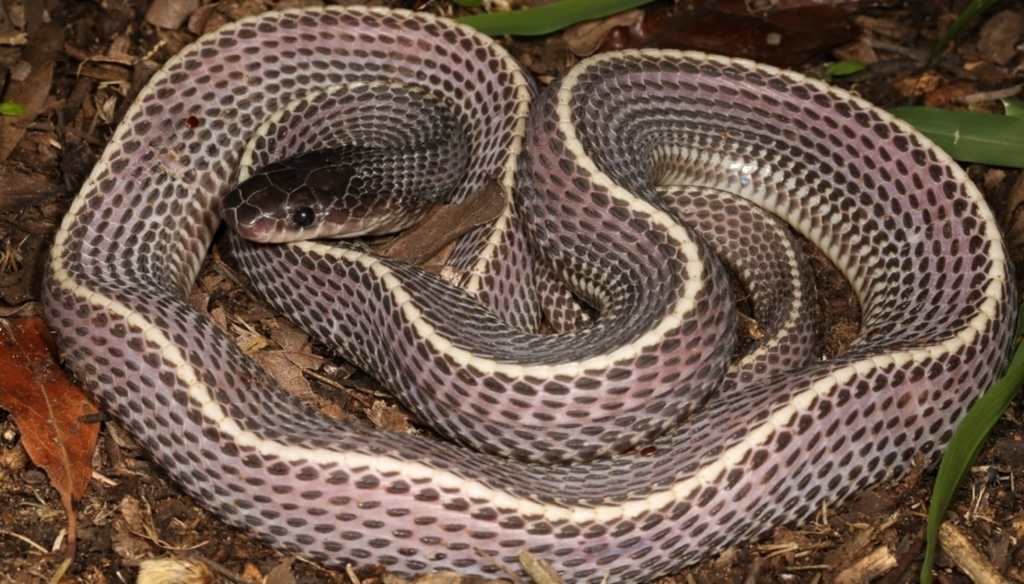
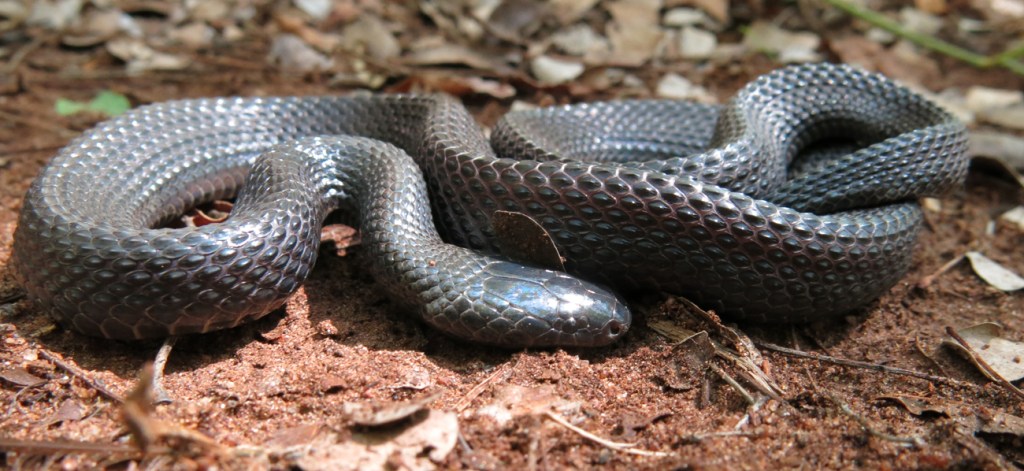
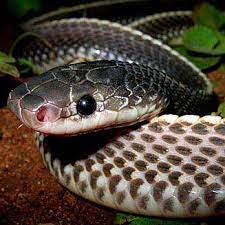
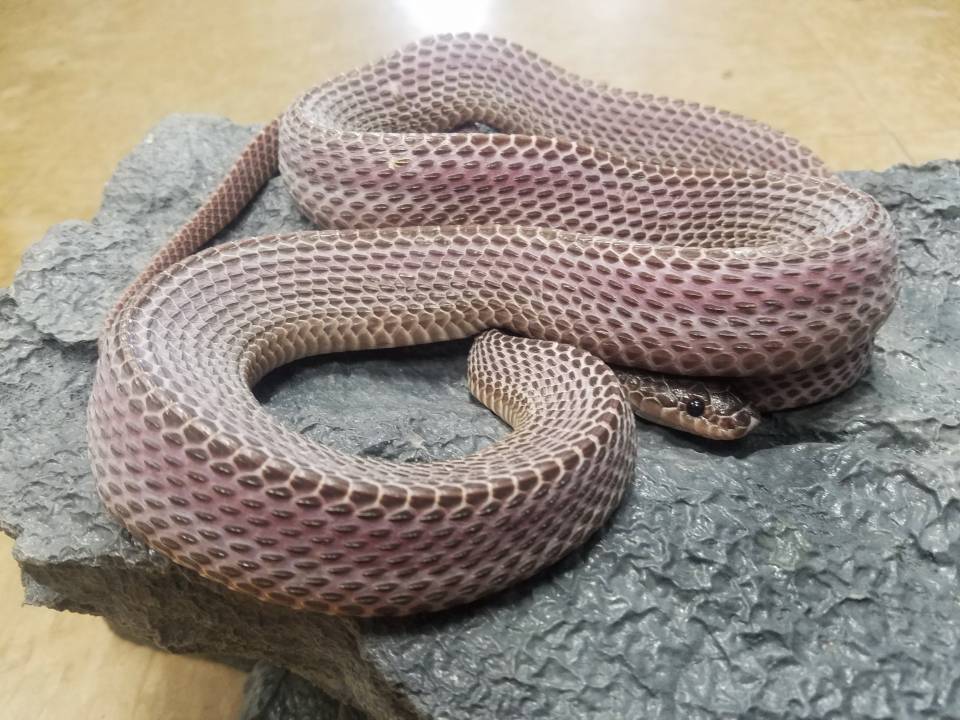
The File Snake

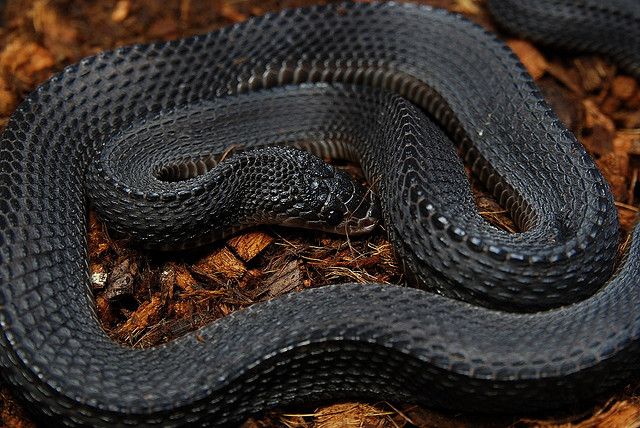
This docile, inoffensive snake is active at night when it hunts for prey, especially other snakes. It is completely harmless yet eats venomous snakes like the Black Mamba and Puff Adder.

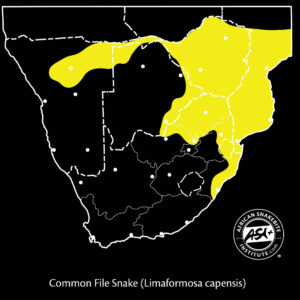
Map showing the distribution of the Common File Snake in Southern Africa.

If a venomous snake is bitten by another venomous snake of the same species, (for example during a fight or mating), then it will not be affected. However, if a snake is bitten by a venomous snake of another species, it probably will be affected. 

This is probably because snakes have evolved to be immune to venom from their own species, because bites from mates or rivals of the same species probably happen frequently. 

True to its common name it has a file-shaped triangular body with large grey scales on the body and a light dorsal stripe that extends from behind the head to the tip of the tail. I can grow to almost 2 metres in length.

It seeks refuge underground, in hollow logs, deserted termite mounds and other suitable hiding places and emerges in the early evening to hunt, especially after rains. Individuals are known to spend most of the year underground.

In some cultures, the File snake is called the witchdoctor’s snake and supposedly brings good luck.

Propolis

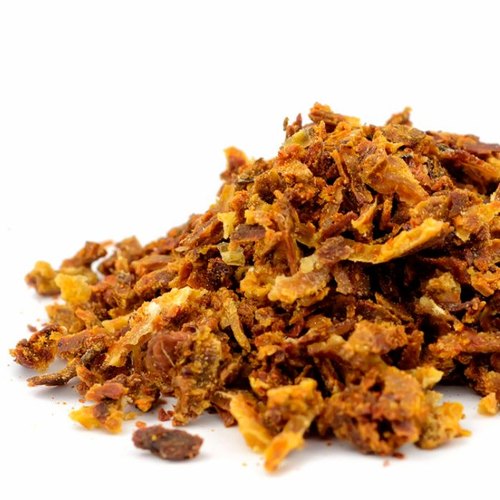
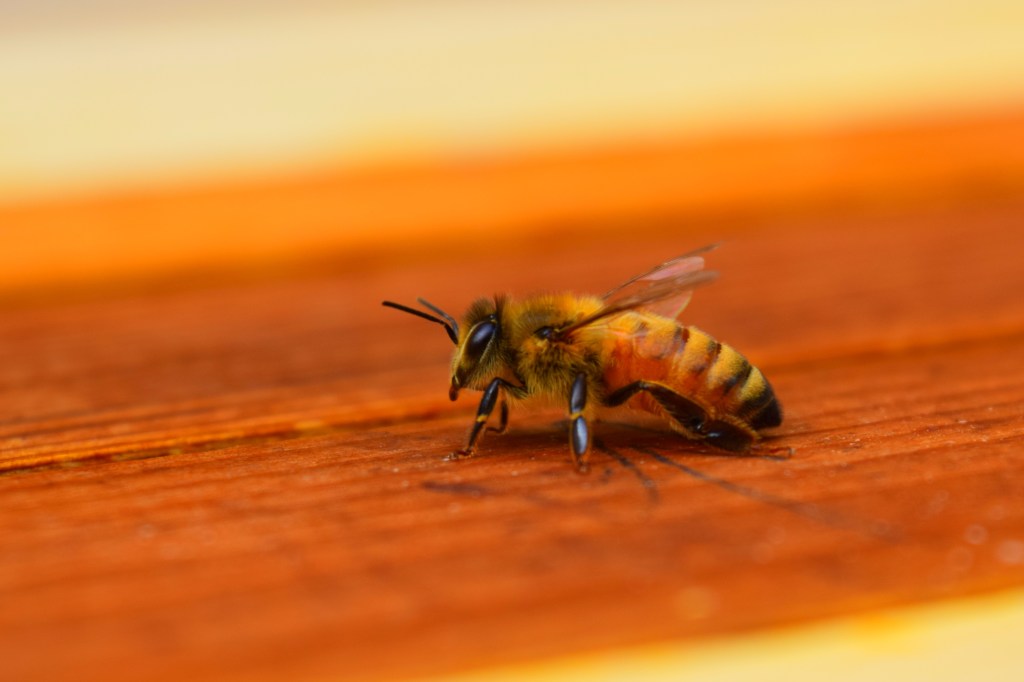
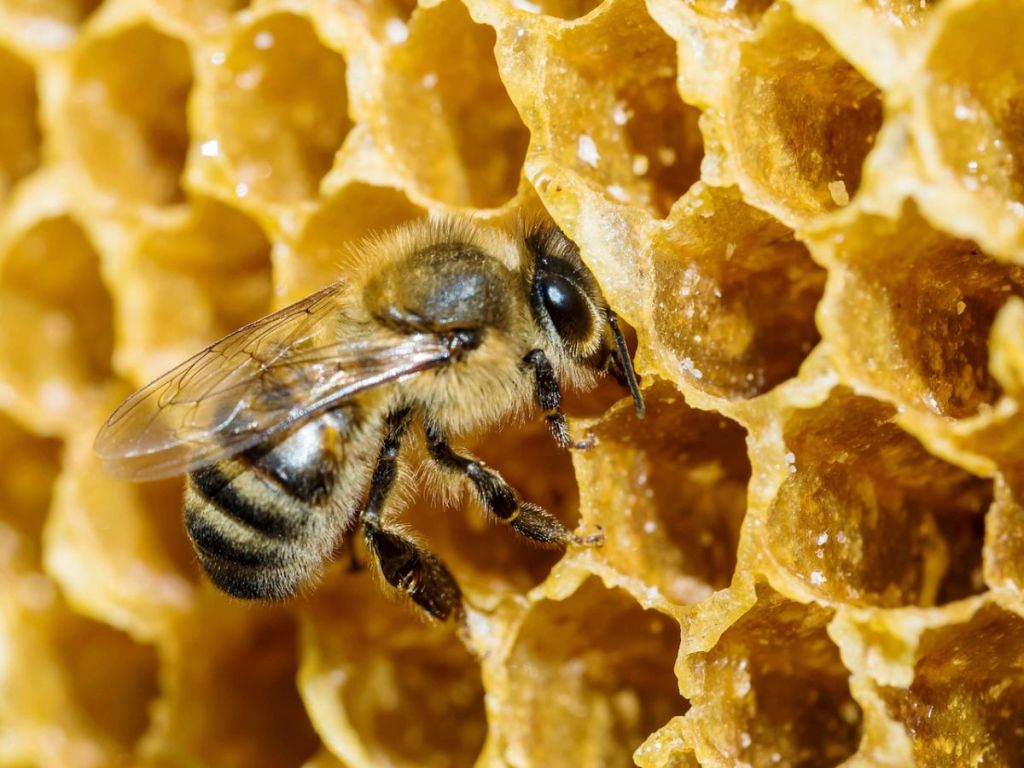
Did you know that honey isn’t the only thing that bees make? Bees also produce a compound called propolis from the sap on needle-leaved trees or evergreens. When they combine the sap with their own discharges and beeswax, they create a sticky, greenish-brown product used as a coating to build their hives. This is propolis.

Propolis seems to help fight against bacteria, viruses, and fungi. It might also have anti-inflammatory effects and help skin heal. Propolis is rarely available in its pure form. It’s usually obtained from beehives.

Thousands of years ago, ancient civilizations used propolis for its medicinal properties. Greeks used it to treat abscesses. Assyrians put it on wounds and tumours to fight infection and help the healing process. Egyptians used it to embalm mummies. 

The composition of propolis can vary depending on the location of the bees and what trees and flowers they have access to. For example, propolis from Europe won’t have the same chemical makeup as propolis from Brazil.

Researchers have identified more than 300 compounds in propolis. The majority of these compounds are forms of polyphenols. Polyphenols are antioxidants that fight disease and damage in the body.

Specifically, propolis contains the polyphenols called flavonoids. Flavonoids are produced in plants as a form of protection. They’re commonly found in foods thought to have antioxidant properties, including: 

  • Fruits.
  • Green tea.
  • Vegetables.
  • Red wine.

Propolis is thought to have antibacterial, antiviral, antifungal, and anti-inflammatory properties. But scientific research on propolis is limited. Researchers aren’t exactly sure why, but the bee product appears to provide protection from some bacteria, viruses, and fungi. 

Low Frequency Call System from Elephants

With their trumpet-like calls, elephants may seem like some of the loudest animals on Earth. But we can’t hear most of the sounds they make. The elephants produce low-frequency noises are as low as the lowest notes of a pipe organ. These infrasounds between 1 to 20 Hertz help them keep in touch over distances as large as 10km.

Scientists first discovered that elephants made infrasounds in the 1980s. The head female in a herd may produce the noises to guide her group’s movements, whereas a male who’s in a mating state called musth might use the calls to thwart competition from other males. Mother elephants even rely on infrasounds to keep tabs on a separated calf, exchanging “I’m here” calls with the wayward offspring in a fashion similar to a game of Marco Polo. These noises, which fall below the hearing range for humans, are often accompanied by strong rumbles with slightly higher frequencies that people can hear.

Although the sounds themselves have been studied for many years, it has remained unclear exactly how elephant infrasounds are made. One possibility, favoured by some scientists, is that the elephants tense and relax the muscles in their larynx for each pulse of sound. This mechanism, similar to cats purring, can produce sounds as low in pitch as desired, but the sounds produced are generally not very powerful.

The other possibility is that elephant infrasounds are produced like human speech or singing, but because the elephant larynx is so large, they are extremely low in frequency. Human humming is produced by vibrations of the vocal folds, which are set into vibration by a stream of air from the lungs, and don’t require periodic muscle activity. By this hypothesis, elephant infrasounds result simply from very long vocal folds slapping together at a low rate, and don’t require any periodic tensing of the laryngeal muscles.

Photo Toxins in Nature

Natural toxins can cause a variety of health effects and pose a serious health threat to both humans and livestock. Some of these toxins are extremely potent. Health effects can be acute poisoning ranging from allergic reactions to severe stomach-ache and diarrhoea, and even death.

Long-term health consequences include effects on the immune, reproductive, or nervous systems, and cancer.

Natural toxins are toxic compounds that are naturally produced by living organisms. These toxins are not harmful to the organisms themselves, but they may be toxic to other creatures, including humans. These chemical compounds have diverse structures and differ in biological function and toxicity.

Some natural toxins can be formed in food as defence mechanisms of plants, through their infestation with toxin-producing mould, or through ingestion by animals of toxin-producing microorganisms.

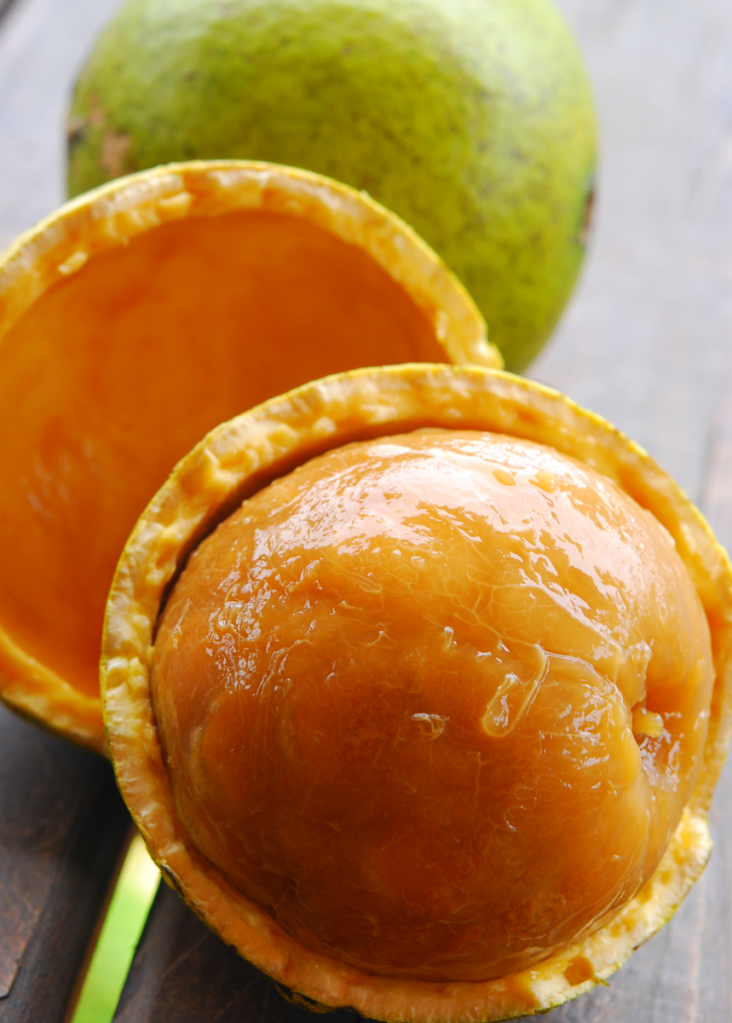
The monkey orange (Strychnos spinosa) is a good example of this. The fruit contains strychnine, enough to make you decidedly ill if you eat the fruit raw). 

Cassava Manihot esculenta) is an edible tuberous root that is a staple diet in large parts of Africa. It is often made into flour. It contains cyanogenic glysosides which often results in fatal poisoning if not properly detoxified by soaking, drying and scraping.

Other sources of natural toxins are microscopic algae and plankton in oceans or sometimes in lakes that produce chemical compounds that are toxic to humans but not to fish or shellfish that eat these toxin-producing organisms.

When it comes to natural toxins it is important to note that they can be present in a variety of different crops and foodstuff.  In a usual balanced, healthy diet, the levels of natural toxins are well below the threshold for acute and chronic toxicity.

To minimize the health risk from natural toxins in food, people are advised to: 

  • Not assume that if something is ‘natural’ it is automatically safe.
  • Throw away bruised, damaged, or discoloured food, and in particular mouldy foods.
  • Throw away any food that does not smell or taste fresh or has an unusual taste.
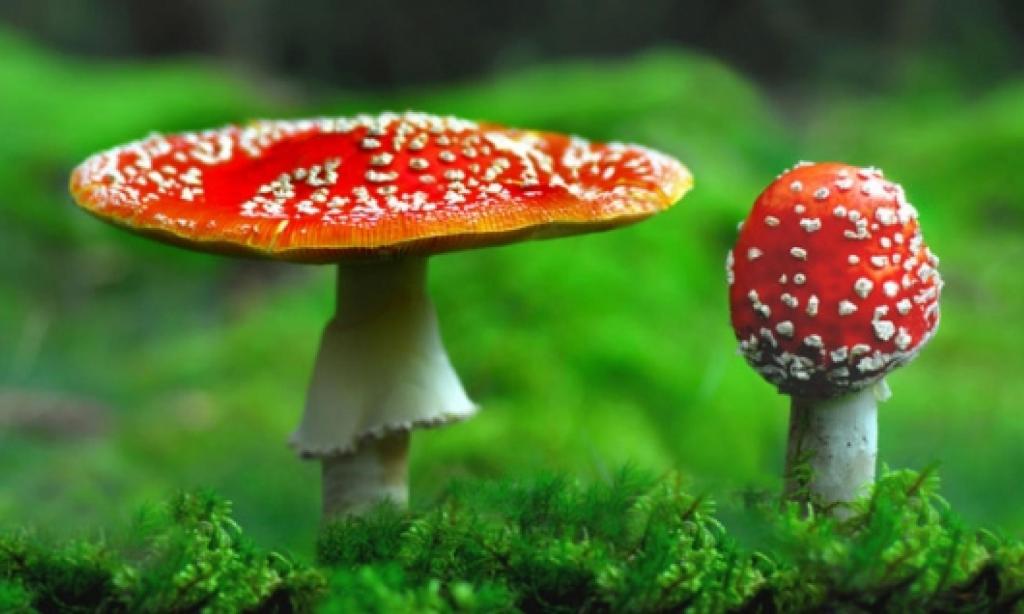
  • Only eat mushrooms or other wild plants that have definitively been identified as non-poisonous.

The New Calcium Crystal That Makes Sea Urchin Spines So Strong

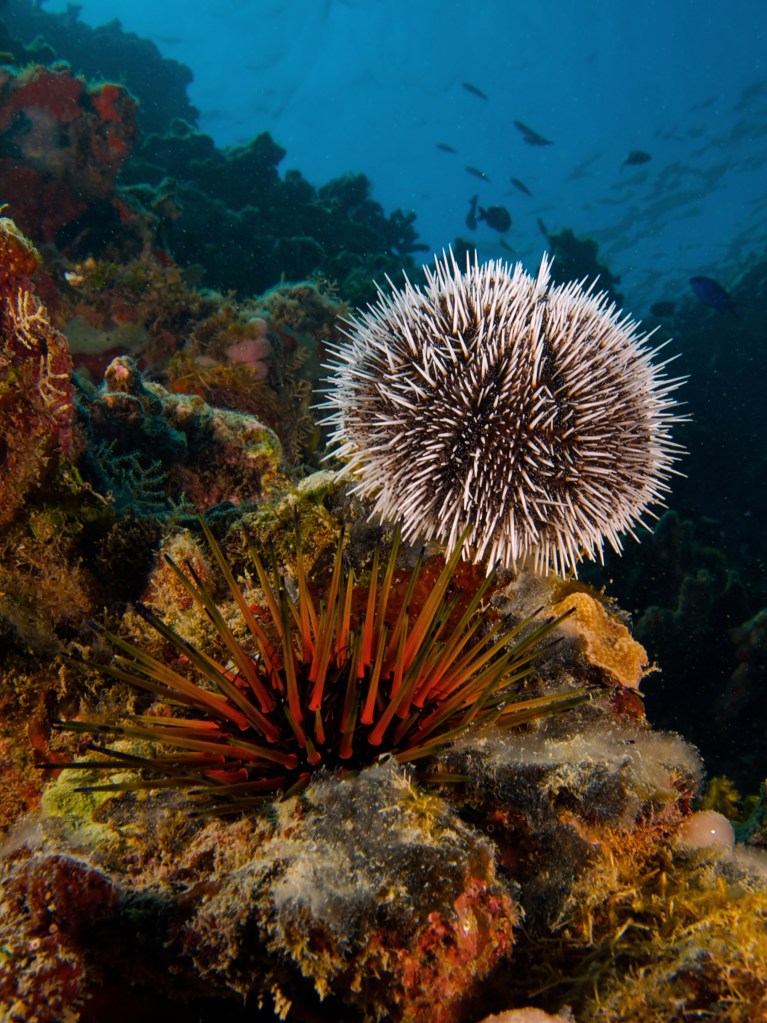
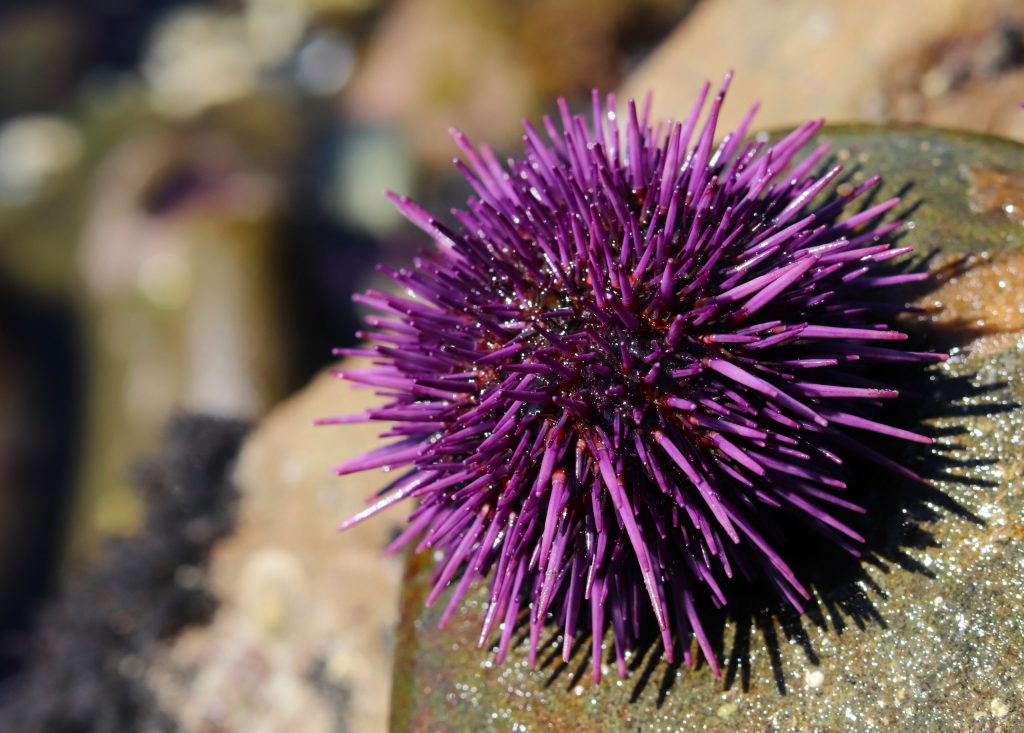
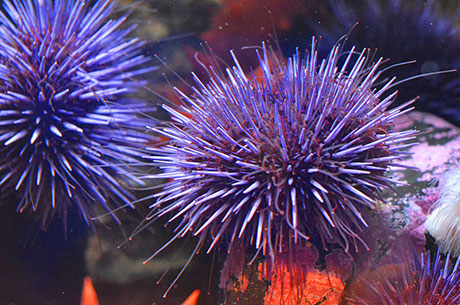
Many beach trips have been spoiled by stepping on the sharp and strong spines of sea urchins. The urchin uses those spines for moving around and protection against predators.

OLYMPUS DIGITAL CAMERA

Each spine is a single crystal of calcite. This is normally a soft and brittle mineral, but it is highly strengthened in several ways. It is a hollow tapered cylinder, which saves weight and materials without sacrificing much strength. Some magnesium ions replace calcium ions, which produce an irregularity that impedes cracks from propagating. So, any fractures are more like in glass, a non-crystalline solid, than a crystal. This fracturing absorbs energy and protects the main spherical shell (called a test) of the animal.

The spines serve as a defence against predators, hard and at the same time shock-absorbing. As a result of these properties, the spines are among the most-studied biomaterials.

The Mechanical Benefits of Mangroves Protecting A Shoreline

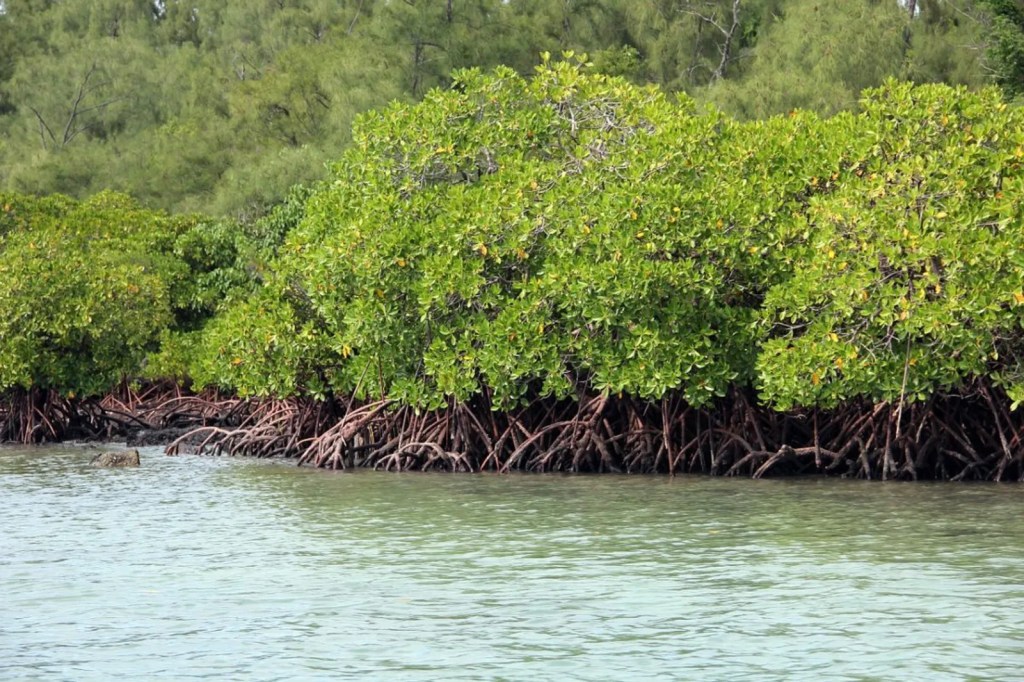
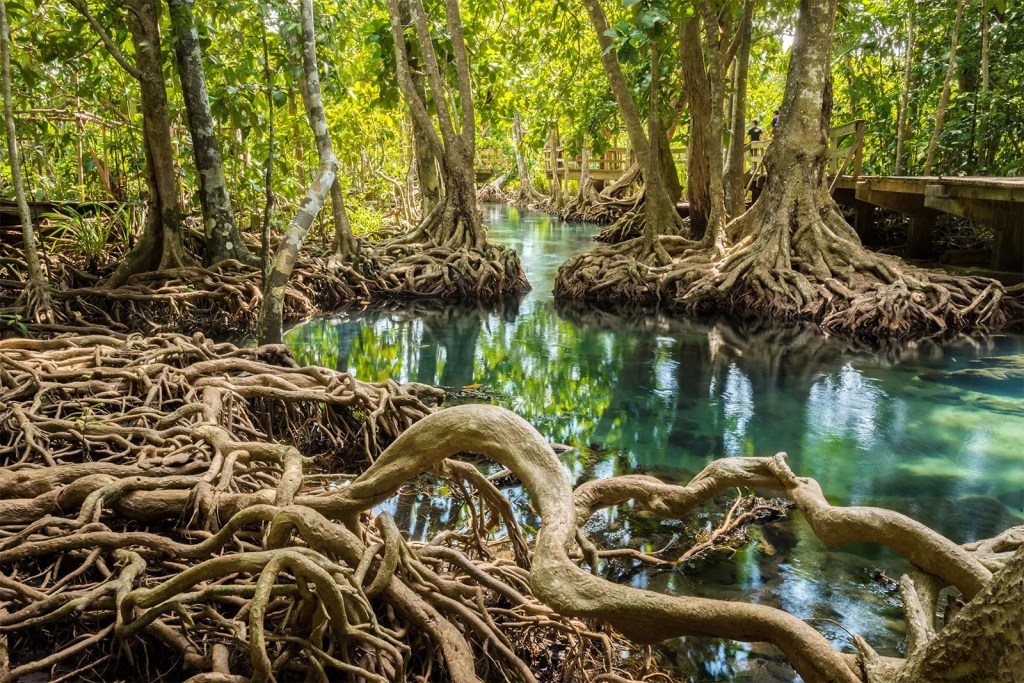
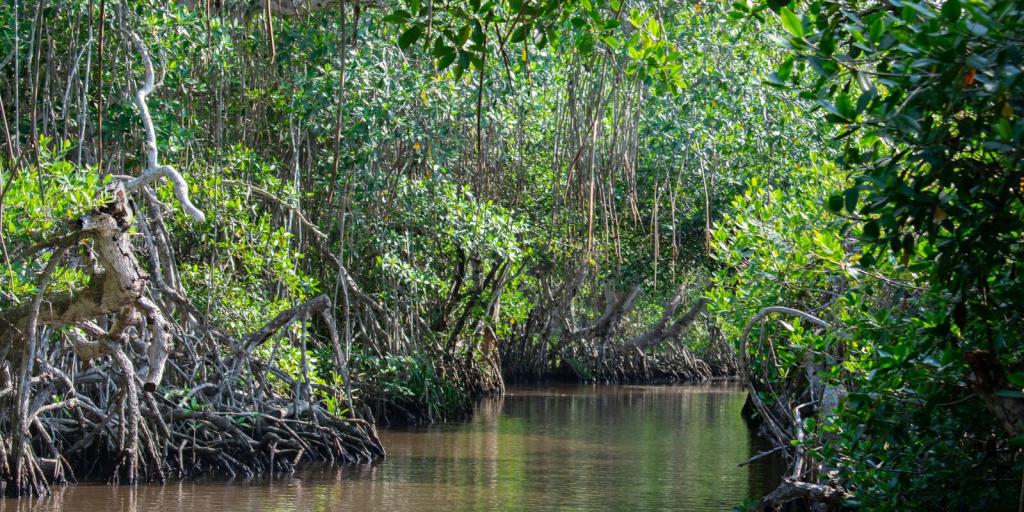
Mangroves protect shorelines from damaging storm and hurricane winds, waves, and floods. Mangroves also help prevent erosion by stabilizing sediments with their tangled root systems. They maintain water quality and clarity, filtering pollutants and trapping sediments originating from land.

This lab experiment shows clearly how mangroves work:

Wind and swell waves are rapidly reduced as they pass through mangroves, lessening wave damage during storms. Wide mangrove belts, ideally thousands of meters across, can be effective in reducing the flooding impacts of storm surges occurring during major storms. This can significantly reduce flood extent in low lying areas. Narrower mangrove belts, hundreds of meters wide, will still be able to reduce wind speed, the impact of waves on top of the surge and flooding impact to some degree. The dense roots of mangroves help to bind and build soils. The above ground roots slow down water flows, encourage deposition of sediments and reduce erosion. Over time mangroves can actively build up soils, increasing the thickness of the mangrove soil, which may be critical as sea level rise accelerates. 

Mangroves are among the most valuable ecosystems in the world. Decision makers, and the public, need to take full account of the many benefits that mangroves provide, and consider the true costs that may incur from mangrove loss. 

Spirals and Swirls

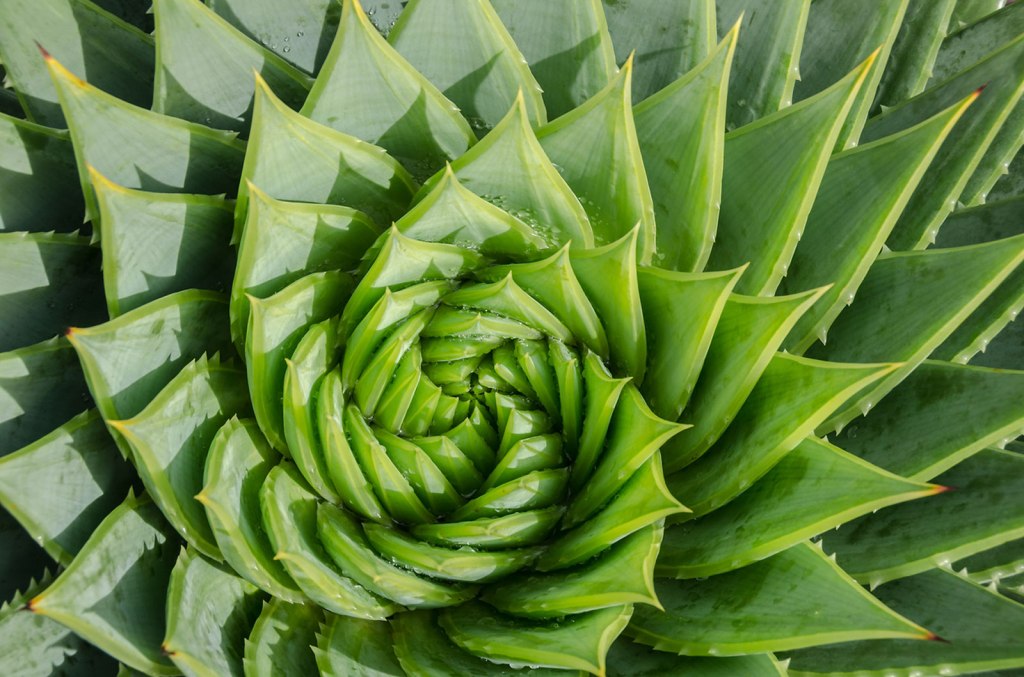
 A spiral is a shape that curves and gradually widens around a central point. There are many examples of spirals in nature. In fact, nature does not use straight lines very often, with the exception perhaps of crystal structures in minerals. 

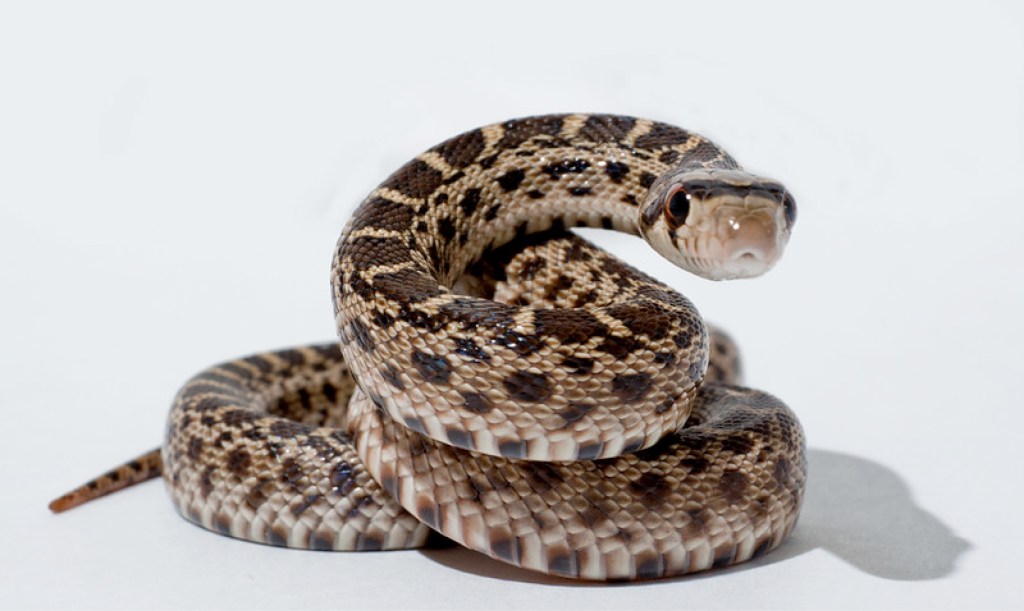
A snuggling shape – including when animals such as a bull snake, a harvest mouse, a chipmunk, or a woodchuck sleep curled up in a ball for warmth.

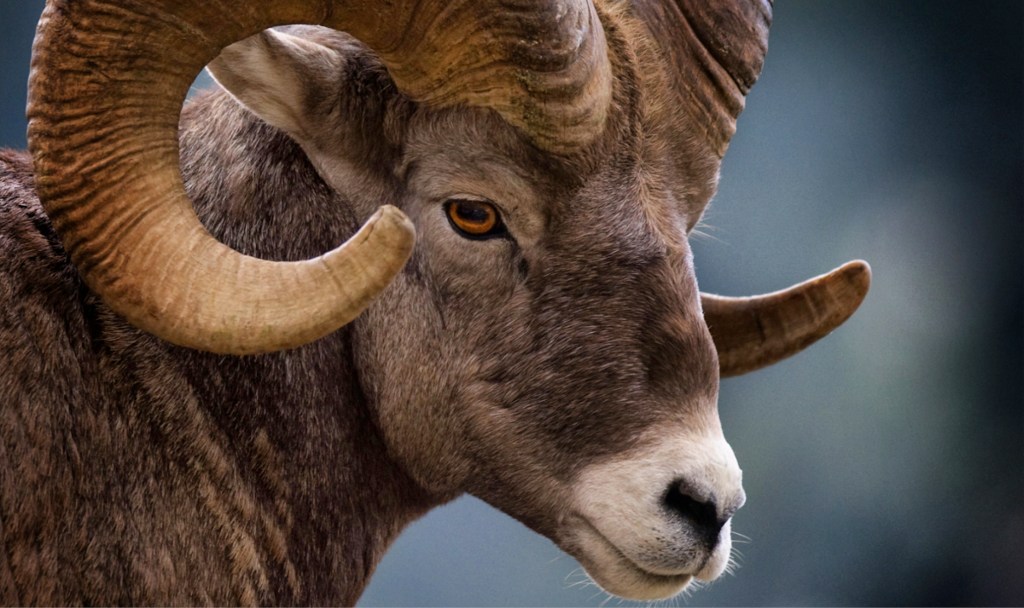
A strong shape – where outside curves can protect animals such as the millipede, the land snail, and in sheeps’ horns.

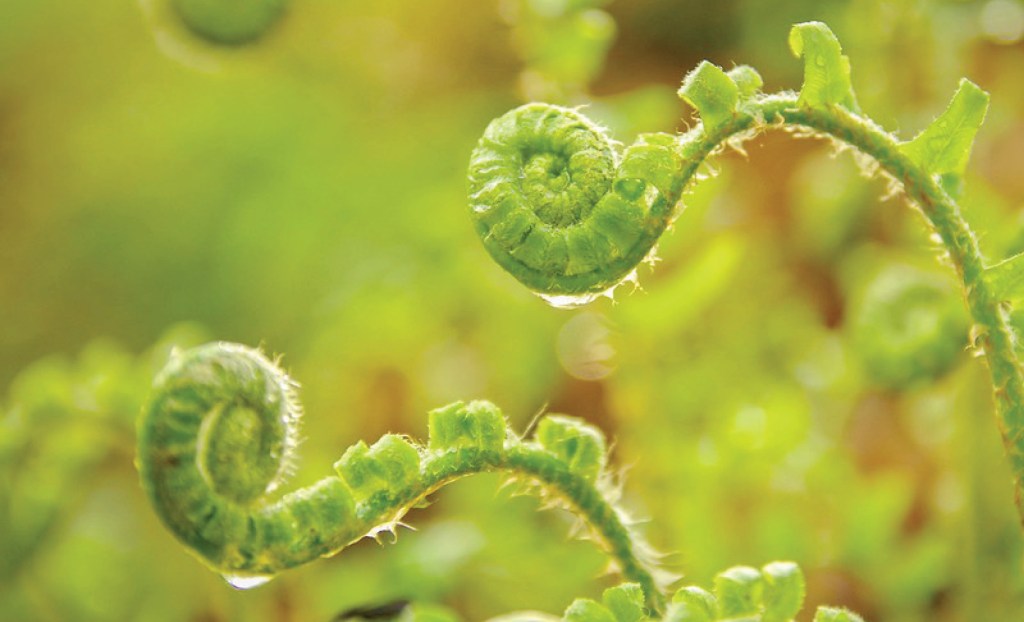
A growing shape – going from small to big, such as the lady fern. It emerges from the soil as a fiddlehead and then unwraps itself as it gets bigger.

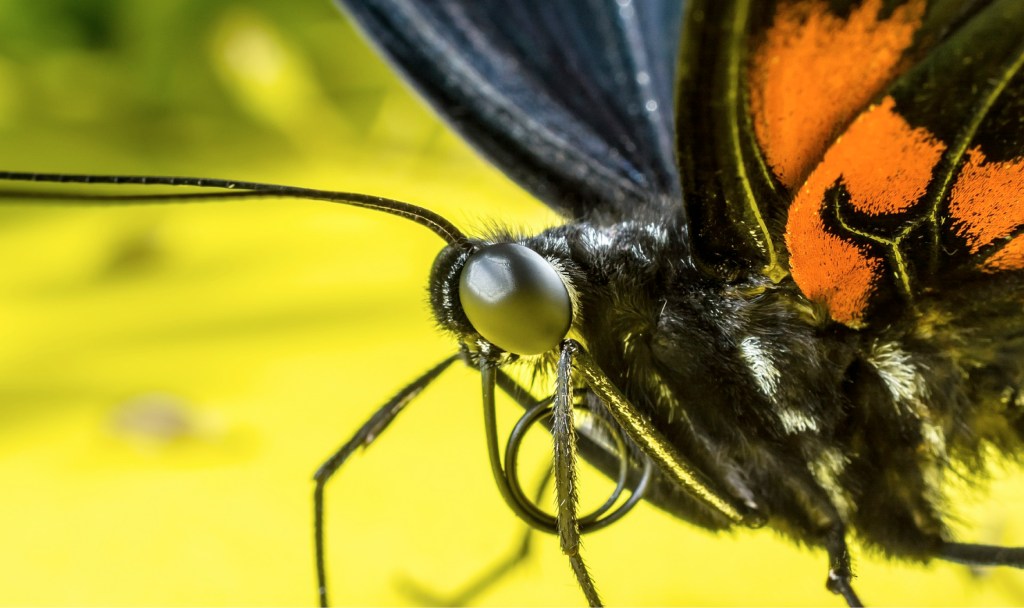
A clever shape – seen in butterfly proboscis (neatly tucked away when not in use), and spiders’ webs.

Spirals can even follow a mathematical rule, called the Fibonacci sequence, where a specific order of numbers following a set and understood pattern “explains”, or can measure out, the dimensions of the spiral. Beware though – not all spirals and swirls in nature follow the Fibonacci sequence.

The Fibonacci sequence is a series of numbers in which each number is the sum of the two that precede it. Starting at 0 and 1, the sequence looks like this: 0, 1, 1, 2, 3, 5, 8, 13, 21, 34, and so on forever. The Fibonacci sequence can be described using a mathematical equation: Xn+2= Xn+1 + Xn

You can see spirals in things as small as flowers and ocean waves, and as vast as tidal whirlpools, tornados and even our galaxy. Spirals can even follow a mathematical rule, called the Fibonacci sequence, where a specific order of numbers following a set and understood pattern “explains”, or can measure out, the dimensions of the spiral.

Spirals in an Aloe

Romanesque broccoli follows the Fibonacci sequence

Why not head outside and see if you can find some spirals? Spirals might be a slightly more difficult pattern to spot in nature than some, but they are there. In spring, there’s a pretty good chance you’ll be able to find some snails and fiddleheads even in your yard. What else is out there?

The Purpose of Different Shaped Horns

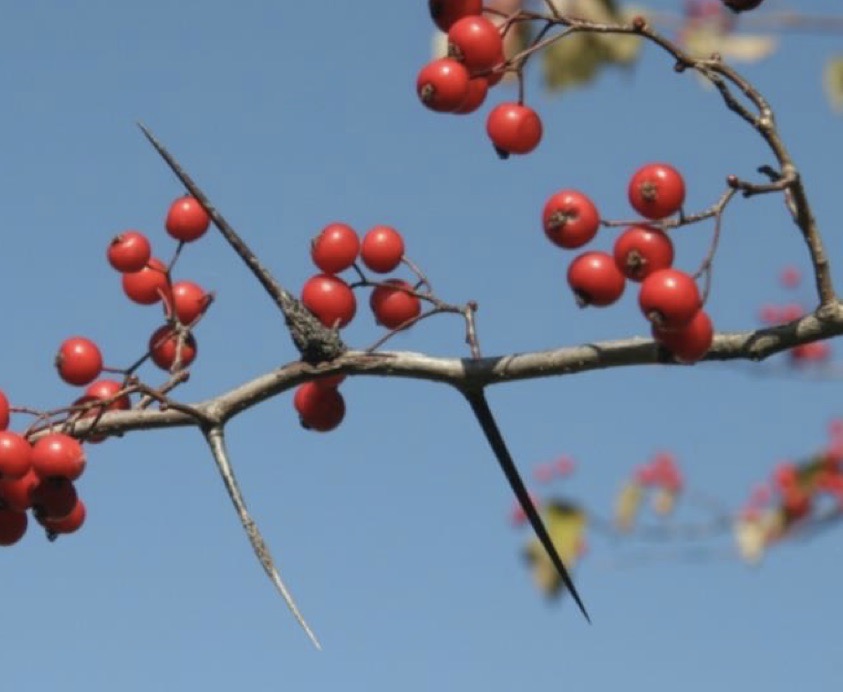
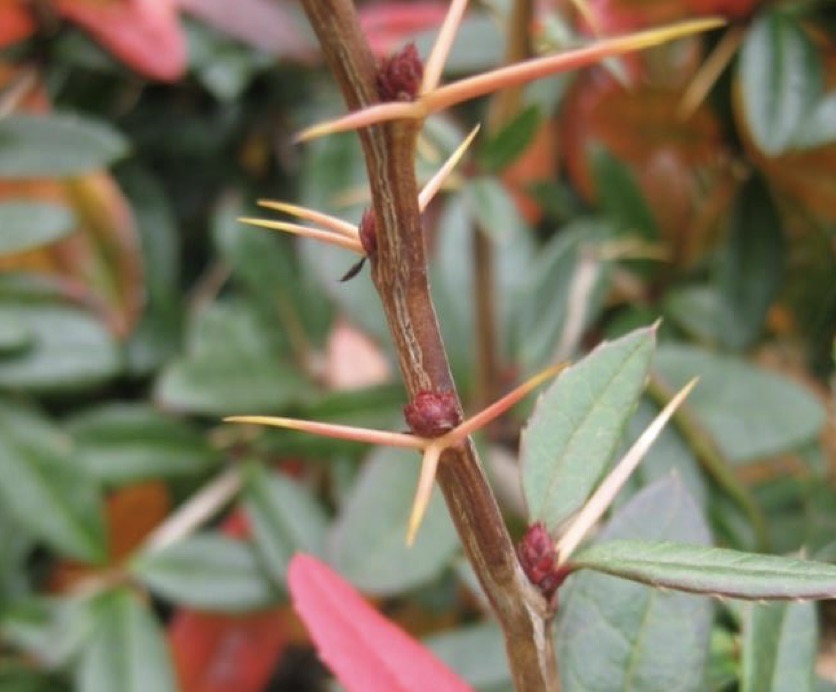
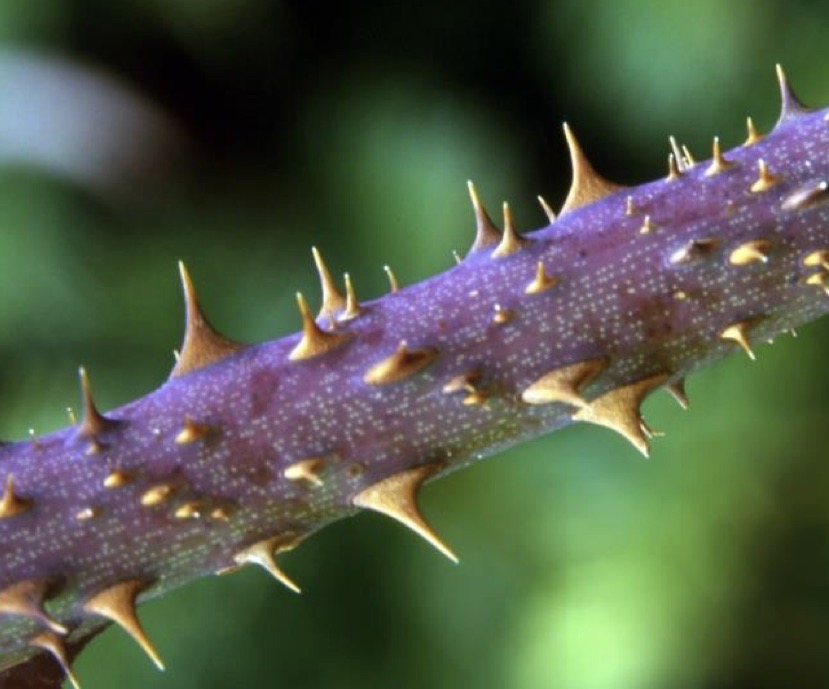
Thorns, spines, and prickles represent growths from the stem, leaf, fruit, or root that are sharp and woody at maturity. Thorns and spines are modification of existing organs such as stems, leaves or stipules. Prickles or emergences are outgrowths derived from epidermal and sub epidermal layers in locations other than nodes (where stems, leaves or stipules arise).

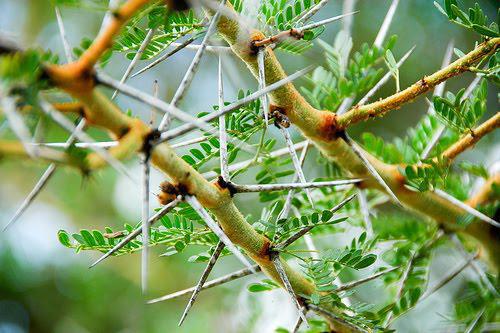
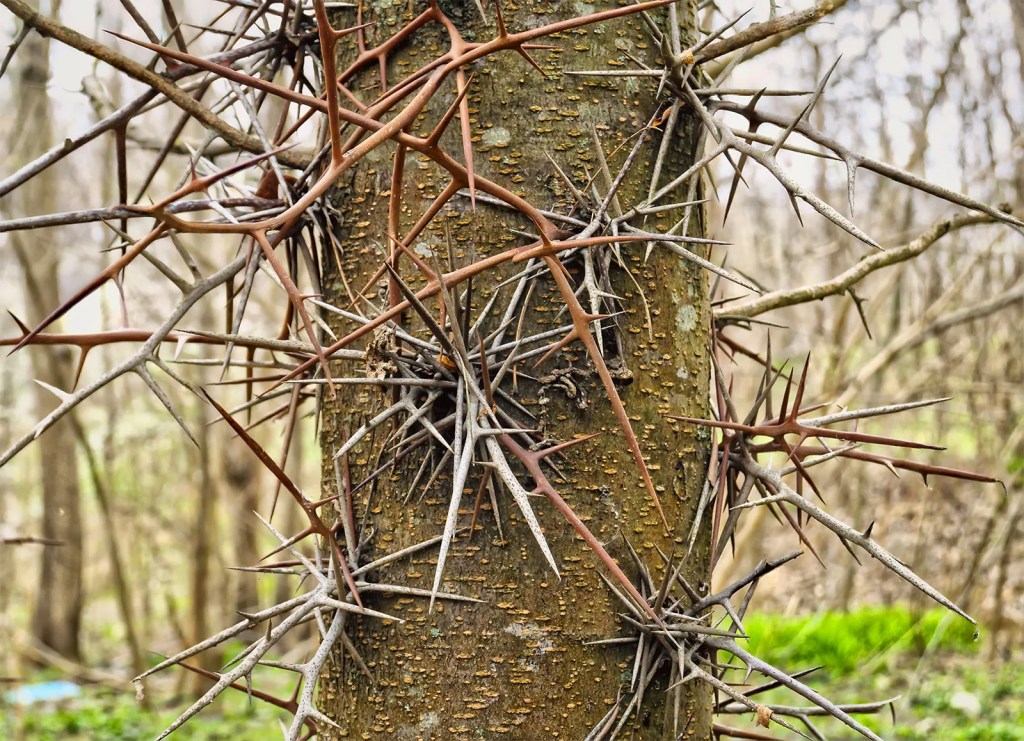
Thorns, spines and prickles can be very formidable and this Acacia nicely illustrates how these structure would deter animals from feeding on “thorn”- armed stems.

Thorn – A sharp pointed modified stem.
Spine – A sharp pointed structure that is a modified leaf or stipule.
Prickle – A sharp outgrowth from the epidermis or bark.

Thorn
Spine
Prickle

Thorns:
A thorn is a modified stem and can be recognised because it is subtended by a leaf. Thorns may be branched or un-branched. Branched thorns in honeylocust. Hawthorn has an un-branched thorn. In Alluaudia, each pair of leaves subtends a thorn.

Spines:
A spine is a sharp pointed structure that is a modified leaf or stipule.

Ocotillo produces a spine that is a fusion of the stem and the lower portion of the leaf petiole. In many Euphorbia species, the spines are modified stipules appearing on either side of the bud and leaf scar.

The impressive spines in Acacia species are stipule spines. In several Acacia species, the stipule spines are hollow and provide shelter for Pseudomyrmex ants. The leaves also produce food packets called Beltian bodies for the ants. In return the ants defend the Acacia from insect or animal pests.

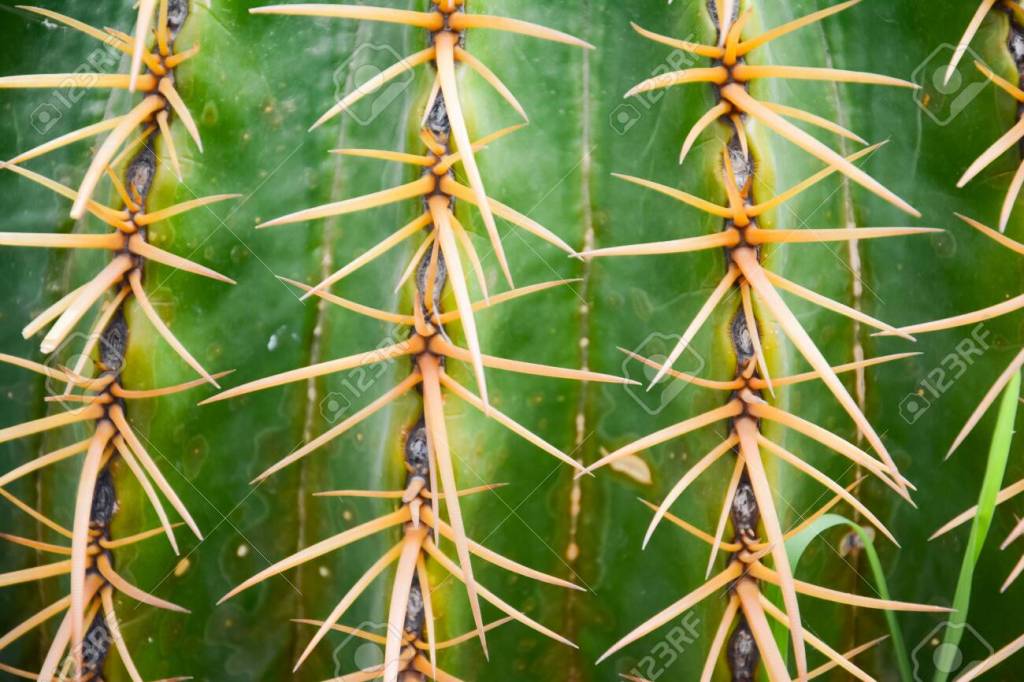
Cactus spines are usually modified leaves or shoots located in the axil of a leaf. A group of spines is termed an areole. The early development of spines in the leafy cactus Pereskia grandiflora shows that the spine originates in the axil of the leaf where the axillary bud would normally produce a shoot. Cactus spines provide protection from animal predators and can function to shade the plant from the desert heat.

Prickles:
Prickles are also called emergences and occur in places other than the stem node like thorns or spines. Prickles can be very numerous and be fearsome structures. On some plants, prickles continue to enlarge into large structures.

The prickles formed along the stems and leaves on some palms can be spectacular. Prickles can occur on leaves and may protrude from the main veins. Prickles may also arm the edges of a leaf or bract.

Prickles can also occur on fruits. Prickles can even be seen on adventitious roots as seen on the prop roots of screw. Similarly, prickles are produced on the prop roots of walking palm.

In some cases, “thorniness” is a juvenile phase characteristic that is lost as plants age and become mature flowering trees. This occurs in plants like honeylocust that produces thorns and castor-aralia that produces prickles.

Magellanic Clouds

The Magellanic Clouds are irregular galaxies that share a gaseous envelope and lie about 22° apart in the sky near the south celestial pole. The Magellanic Clouds are visible to the naked eye in the Southern Hemisphere, but they cannot be seen from most northern latitudes.

The Magellanic Clouds were formed at the same time as the Milky Way Galaxy, approximately 13 billion years ago. They are presently captured in orbits around the Milky Way Galaxy and have experienced several tidal encounters with each other and with the Galaxy. They contain numerous young stars and star clusters, as well as some much older stars.

The Magellanic Clouds serve as excellent laboratories for the study of very active stellar formation and evolution. For example, the Tarantula Nebula (also called 30 Doradus) is an immense ionized-hydrogen region that contains many young, hot stars. The total mass of 30 Doradus is about one million solar masses, and its diameter is 550 light-years, making it the largest region of ionized gas in the entire Local Group of galaxies. With the Hubble Space Telescope, it is possible for astronomers to study the kinds of stars, star clusters, and nebulae that previously could be observed in great detail only in the Milky Way Galaxy.

Design a site like this with WordPress.com
Get started