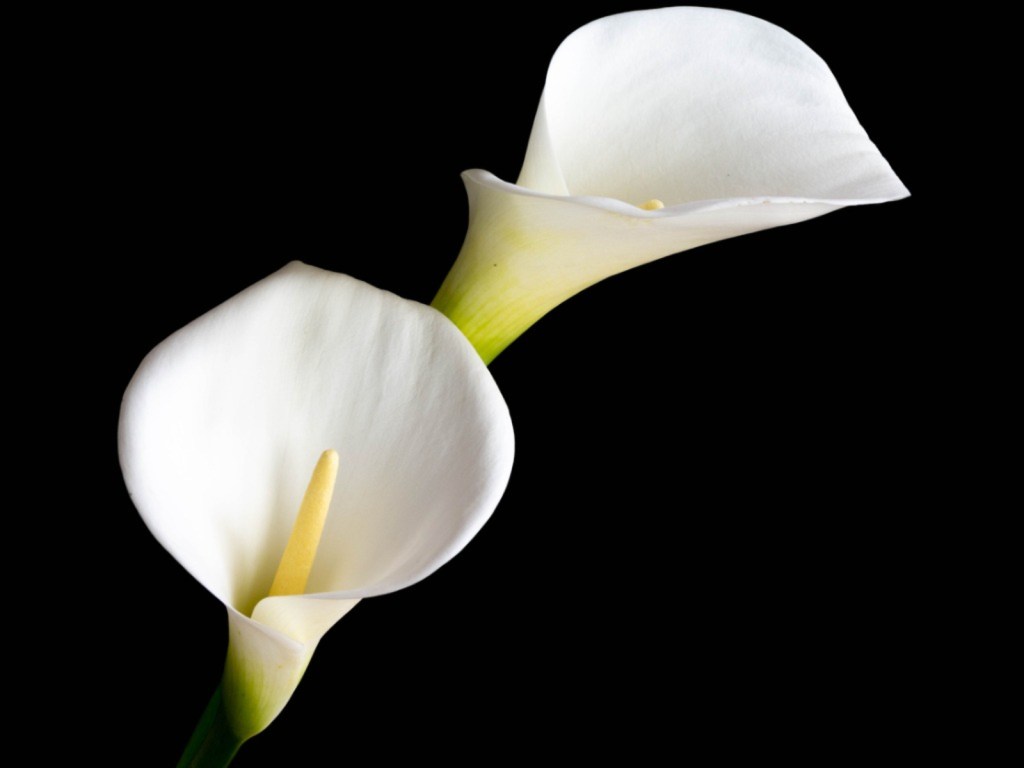
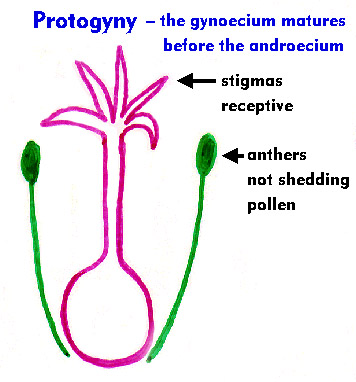
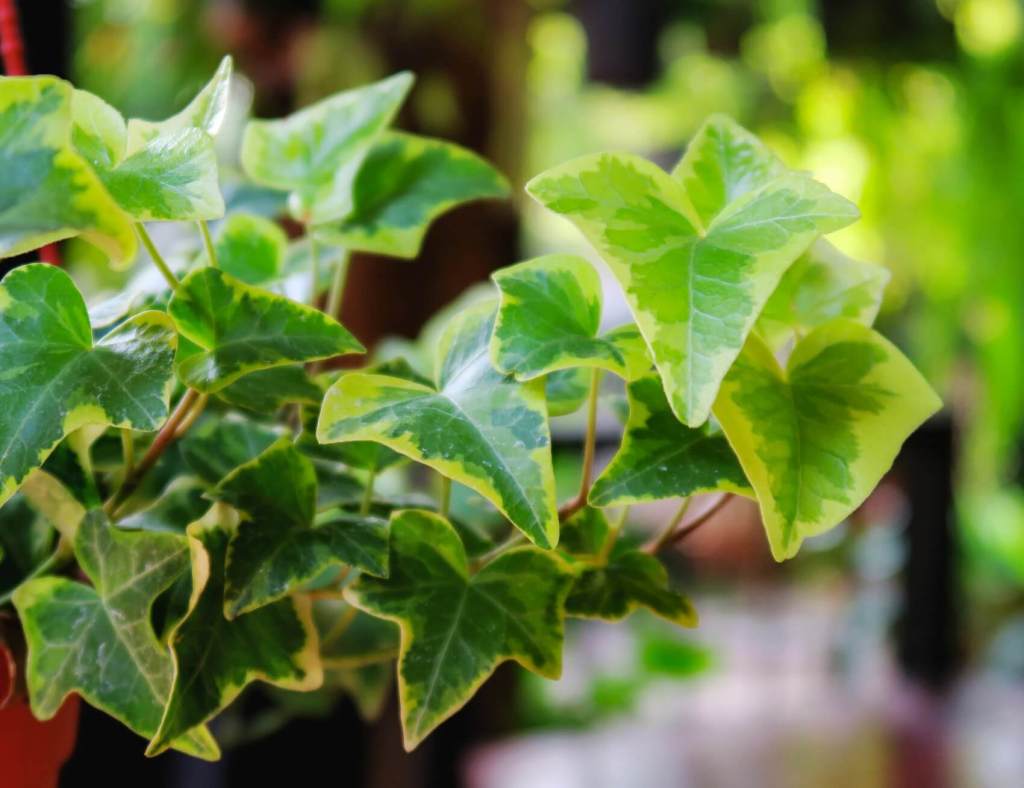
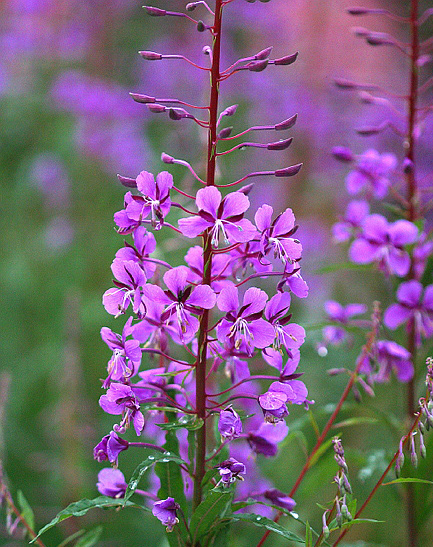
Protogyny is the condition in which the female reproductive organs (carpels) of a flower mature before the male ones (stamens), thereby ensuring that self-fertilisation does not occur. This happens in arum lilies and many wind-pollinated plants, such as grasses—although several grasses are self-pollinated, including common varieties of wheat, barley, oats. Examples of protandrous flowers are ivy and rosebay willowherb
Summer constellations are the constellations that are best seen in the evening night sky from late December to late March in the southern hemisphere.
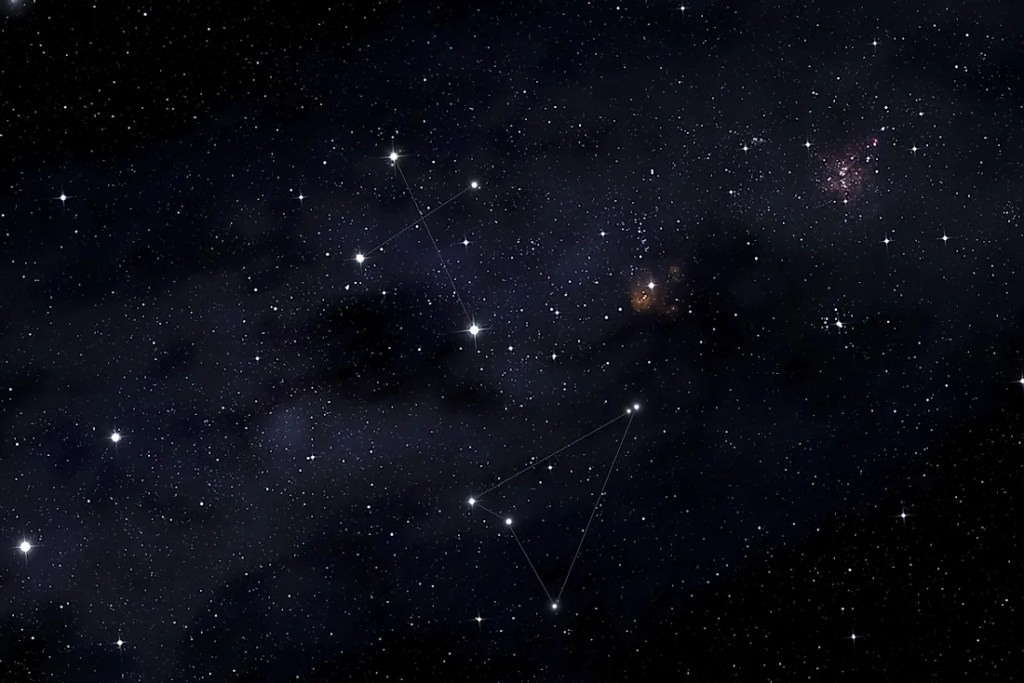
Many different constellations fill the evening sky in the southern hemisphere. Depending on your location and the season, different constellations can be seen. Southern circumpolar constellations can be seen all year long in the night sky of the southern hemisphere. In the southern hemisphere, there is no bright pole star. This image shows an illustration of Crux – the Southern Cross.
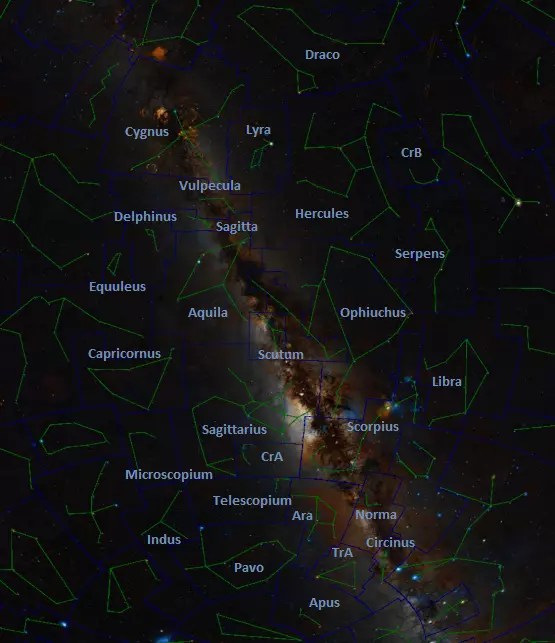
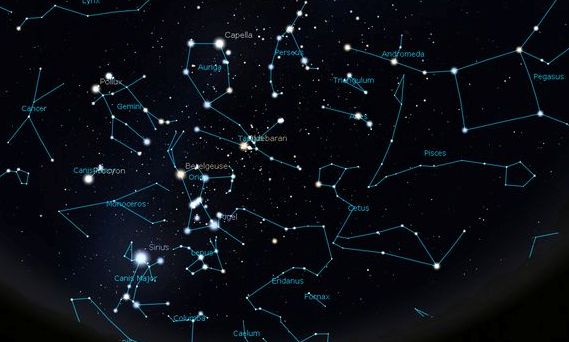
Due to the Earth’s orbit around the Sun, the constellations seen in the night sky change throughout the year. The constellations Orion and Scorpius are located at opposite sides of the Celestial Sphere.
During the Southern Hemisphere summer, when the South Pole of the Earth is pointed towards the Sun, the Earth is positioned between the constellation of Orion and the Sun. Therefore, Orion can be seen in our night sky during summer evenings. As the Earth continues to move around the Sun throughout the year, Orion is observed low in the eastern sky during the evening from December, sits overhead throughout February, and sinks low in the western sky come April.
During the Southern Hemisphere winter, when the South Pole of the Earth is pointed away from the Sun, the Earth is positioned between the constellation of Scorpius and the Sun. Therefore, Scorpius can be seen in our night sky during winter evenings. Scorpius is observed low in the eastern sky during the evening from May, appears overhead during August, and sinks low in the western sky come November.
Southern Cross
The Southern Cross is positioned close to the South Celestial Pole, so from South Africa it can be seen all year round.
Summer Constellation
Winter constellations are the constellations that are best observed in the evening night sky from late June to late September in the southern hemisphere.
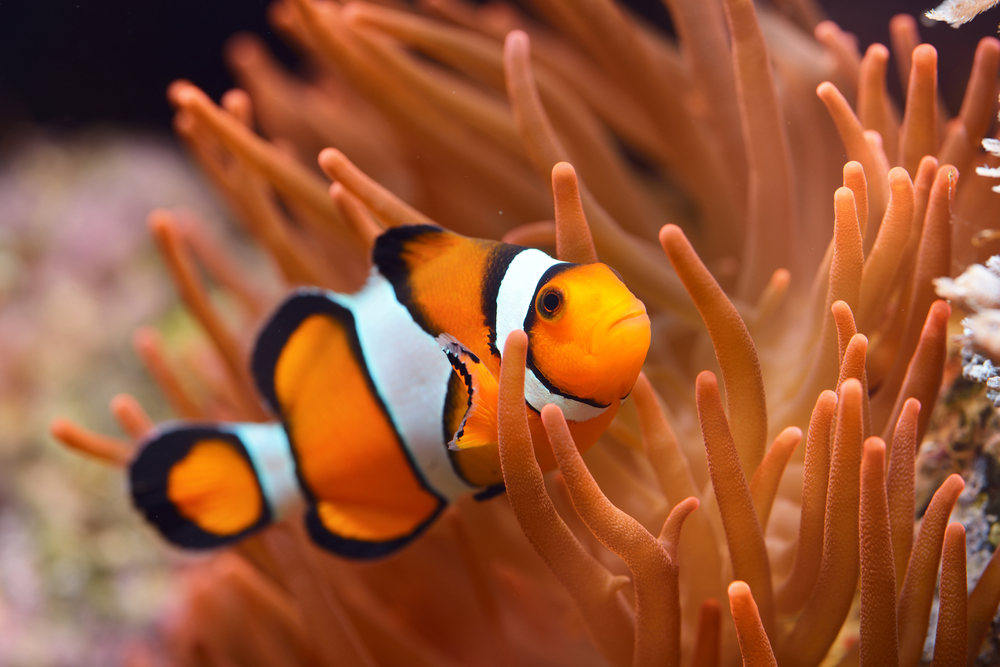
Mutualism: The bees pollinating the flowers and the clownfish living in sea anemones, are classic examples of how organisms can mutually benefit from one another so that both organisms can thrive. When both organisms in a symbiotic relationship benefit, we call this mutualism. In the case of the bees and the flowers, bees need pollen to make honey which they use as a food source, so the bees go from flower to flower gathering pollen which they store in a pouch in their abdomen or on their hind legs depending on the species. When the bees move on from one flower to the next, some of the pollen brushes off and pollinates the new flower. Both the bees and the flowers benefit from this relationship, so it’s a good example of mutualism. Clownfish and sea anemones have the same sort of mutualistic relationship. To other fish, brushing up against a sea anemone is deadly. But clownfish are unaffected by the anemone’s sting because they have adapted to form a protective mucous on their skin. So, the clownfish can live in the sea anemone and in the process keeps it clean, while the sea anemone gives the clownfish protection and a place to live.
Parasitism: Parasitism is a type of relationship where one organism benefits and the other organism is harmed in some way.
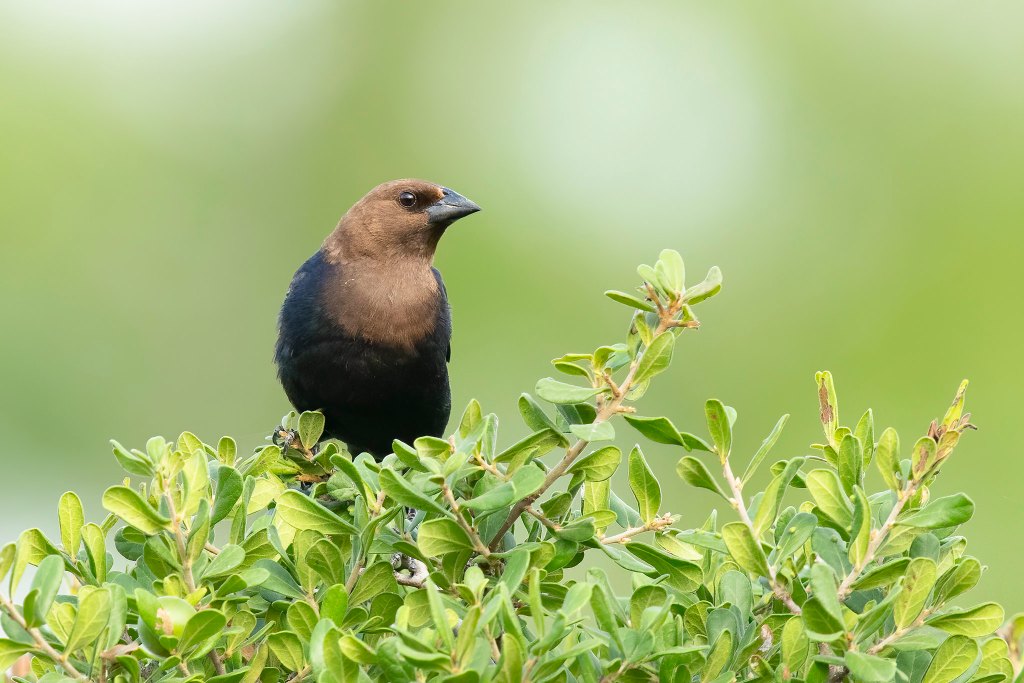
Your mind might jump to what we more commonly think of as a parasite like tapeworms or fleas. These are great examples because in both cases, the parasite benefits while the other organism is harmed. As humans, we can get tapeworms from the food and water we consume if it is not treated or prepared properly. Once the tapeworm is inside of the digestive tract, it eats a lot of your food for you. So, symptoms can range from increased appetite to nausea, but if the tapeworm spreads to other organs, it can be life-threatening. However, parasitic relationships aren’t limited to the microscopic or small-scale world. Cowbirds are a species of birds that instead of raising their own young, take advantage of another bird species, since birds cannot easily distinguish between their young. Female cowbirds will lay their eggs in another bird’s nest, like a black-capped chickadee, and the female black-capped chickadee will feed both her own young and the cowbird nestling. However, cowbirds are much larger than most birds so they will demand more of the food and nest space. In the end, this means some of the black-capped chickadee’s young will die while the cowbird nestling lives.
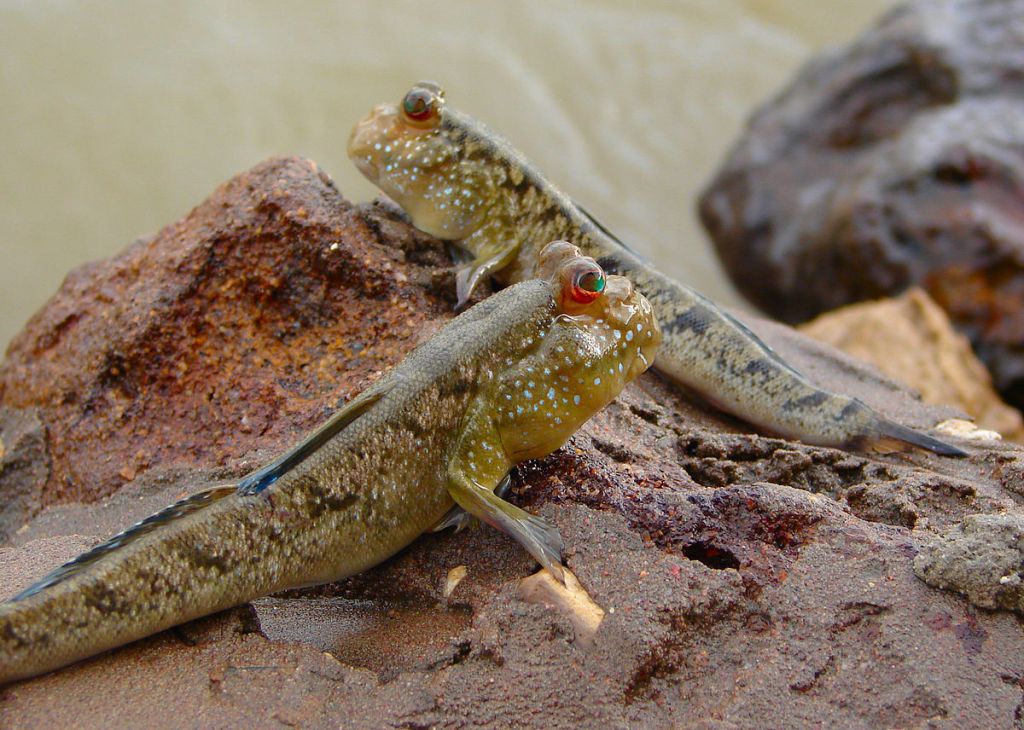
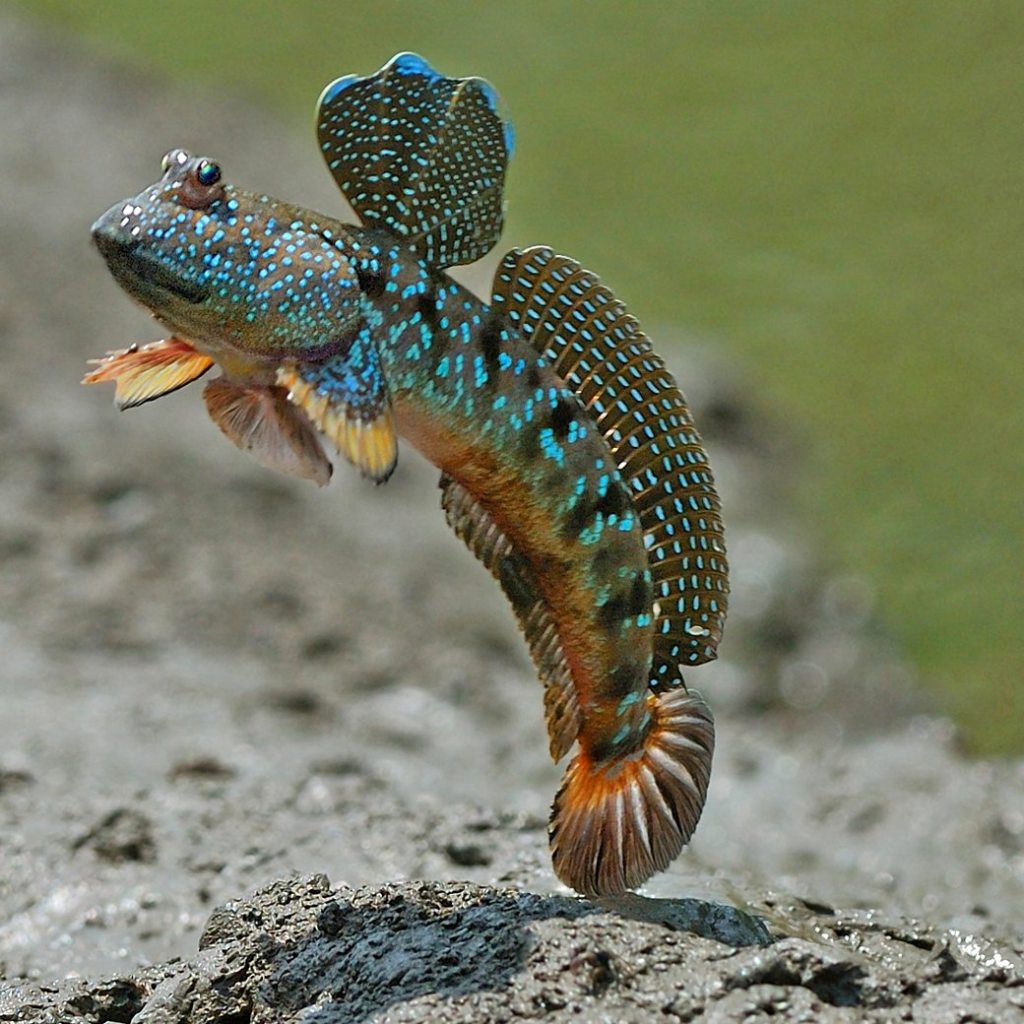
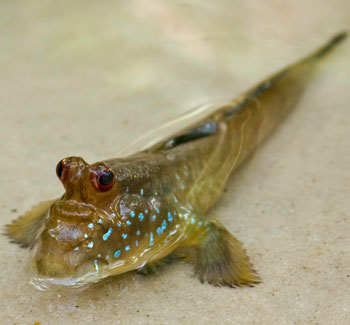
There are 32 types of mudskippers. The mudskipper has a dull yellow-brown coloured body. There is a black stripe on each of its flanks from its eye to the tail. Some fishes may also have a dark stripe on the back.
Their cheeks have bluish-white spots, and their dorsal fin is red or brown in colour. The rear dorsal fin of the fish is dark in colour along with a pale, white margin. During mating season, the males will also develop brightly coloured spots in order to attract females.
Living in intertidal zones, this fish species can tolerate various levels of salinity in the water where it resides
The most interesting trait of the mudskipper is their ability to both survive and thrive in and out of water. When leaving the water and moving into a drier environment on land they are still able to breathe using water that is trapped inside their rather large gill chambers. They are also able to absorb oxygen from the lining of their mouth and throat allowing them to stay out of water for long periods of time. In fact, it has been discovered that they spend up to three quarters of their life on land. This fish has several other adaptive features that help it survive both on water and on land. The fish can move on land using its pectoral fins, which help it to hop around. The pelvic fins of the fish are useful for moving up roots or rocks, and the pectoral fins assist in pulling or pushing the fish high or low.
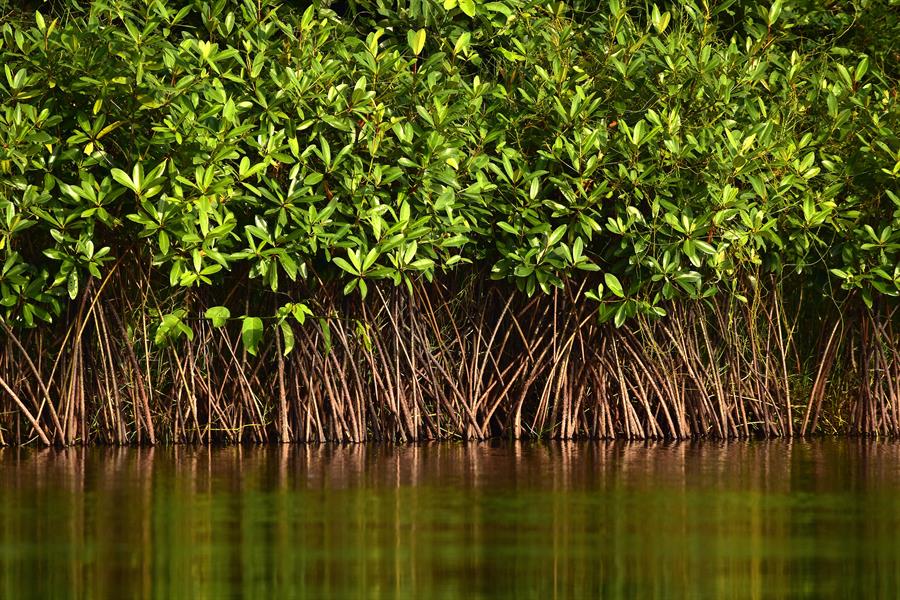
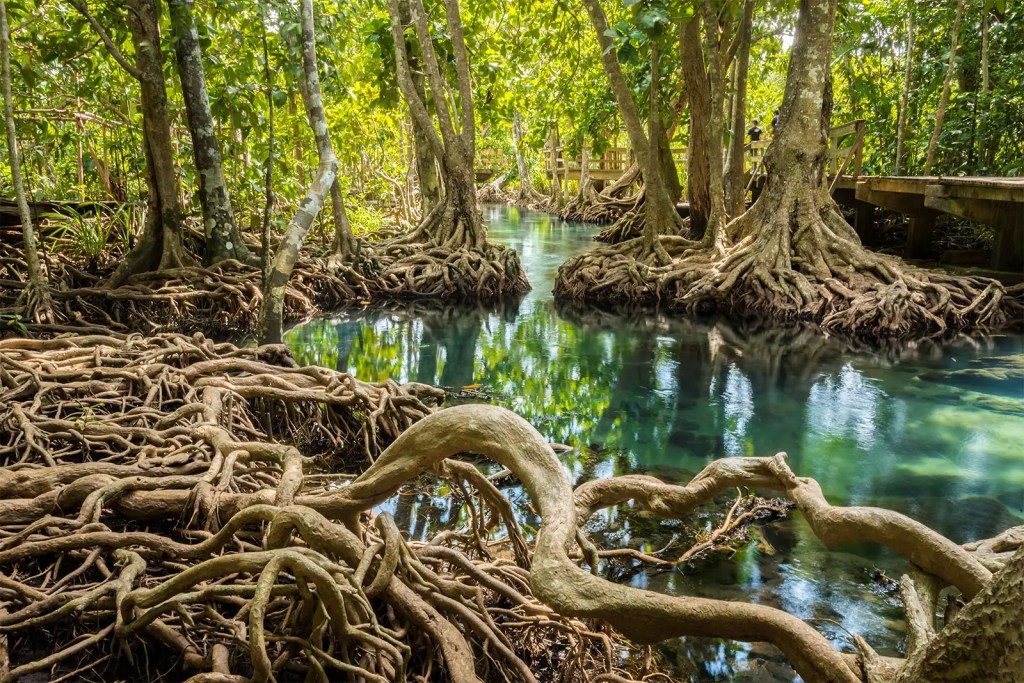
The mudskipper’s ideal habitat is that of the marine coasts and freshwater areas near the oceans. In addition to that, it is also found in the muddy shores near rivers and estuaries. Mudskippers typically live in burrows in intertidal habitats and exhibit unique adaptations to this environment that are not found in most intertidal fishes, which typically survive the retreat of the tide by hiding under wet seaweed or in tide pools. These burrows are most often characterised by their smooth and vaulted ceilings. During high tides in those tidal zones, they may be seen to cling to a mangrove tree or its roots to save their life. During low tide, they comfortably swim around in large pools of water.
Mudskippers have an average lifespan of five years in the wild.
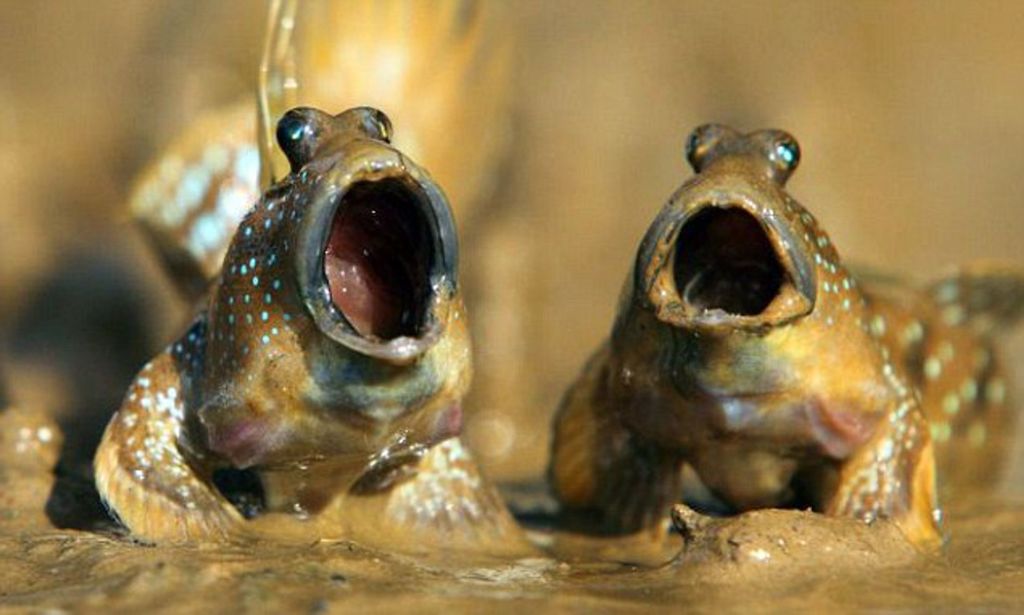
The mudskipper species mostly communicate using sound in their burrows along with their body language. Some males can get quite territorial about their mud burrow and might even get aggressive with other fishes.
This species is carnivorous in nature. Its diet primarily consists of fiddler crabs, medaka fish, and other types of juvenile fish.
Apart from their natural predators in the wild, giant mudskippers are also hunted by humans. This is because many humans believe that these fish have medicinal properties that can be used for healing.
Mangroves provide a slew of benefits in addition to storing carbon, reducing flooding and erosion from storms, acting as nurseries for fish, and filtering pollutants from water.
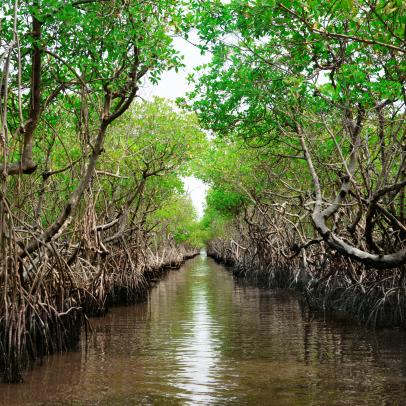
Straddling the interface of land and sea, mangrove forests are of two worlds. Their branches provide homes for lizards, snakes, and nesting birds, while their roots, when submerged, become protective nurseries for baby fish and sanctuaries for marine mammals. Mangroves also provide a slew of benefits for coastal human communities. They act as storm barriers, protecting inland areas from flooding and erosion by dissipating the energy of big waves. They help filter river water of pollutants and trap excess sediment before it reaches the ocean. Their role as fish nurseries can have big impacts on local economies and food production.
Mangroves also have a big impact on climate. Although they’re only found in tropical areas and cover an estimated 140,000 square kilometres – less than 3% the extent of the Amazon rainforest – mangroves are powerhouses when it comes to carbon storage. Mangroves can hold 4 times more carbon than rainforests can. As mangrove trees grow, they store carbon from the atmosphere in their wood. More carbon builds up in mangrove soils with the accumulation of organic matter, such as dead leaves and branches. Most of the carbon is stored in the soil beneath mangrove trees. Mangroves are able to store and stockpile carbon from the atmosphere during their growing period from 50 metric tons to as much as 220 metric tons per acre.
Research indicates at least 35 percent of the world’s mangrove forests may have been lost between 1980 and 2000. Mangroves are deforested for many reasons, including to make room for shrimp farms and other forms of aquaculture, as well as for their wood. Mangroves also depend on the presence of freshwater and can die when dams and other developments stem the flow of rivers.
The good news is that mangroves recover quickly when given a chance. It also is very important to restore mangroves, particularly in deltaic regions, where they can increase those ecosystems’ capacity to clean the atmosphere of existing carbon dioxide. By improving our understanding of how mangroves function under different conditions, we can safeguard and increase these valuable blue carbon stores.
Brood parasites are birds that make use of host parents to brood and rear their young. They do not build nests of their own nor do they play any parental role in raising their offspring.
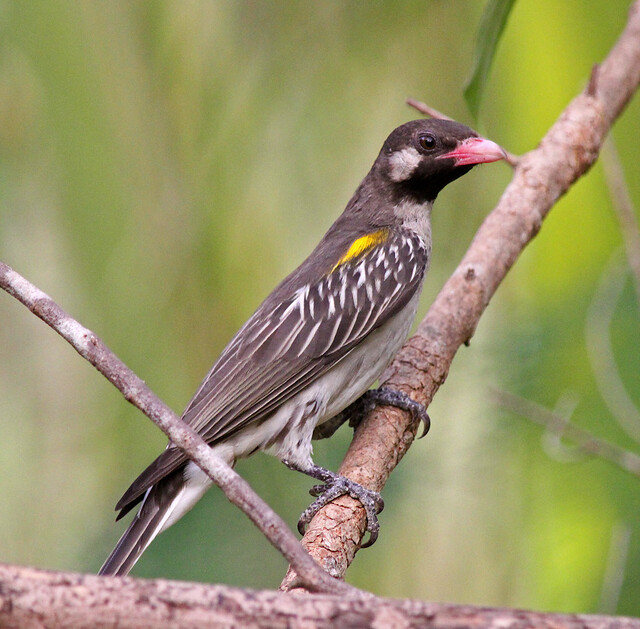
(Greater Honeyguide)
Only about 1% of all birds use brood parasitism as a breeding technique. Having a host family raise their chick’s means that brood parasites expend less energy on the breeding effort themselves thus improving their own chances of survival. But more importantly, brood parasites can produce many broods in one season, which is not possible for birds that raise their own offspring.
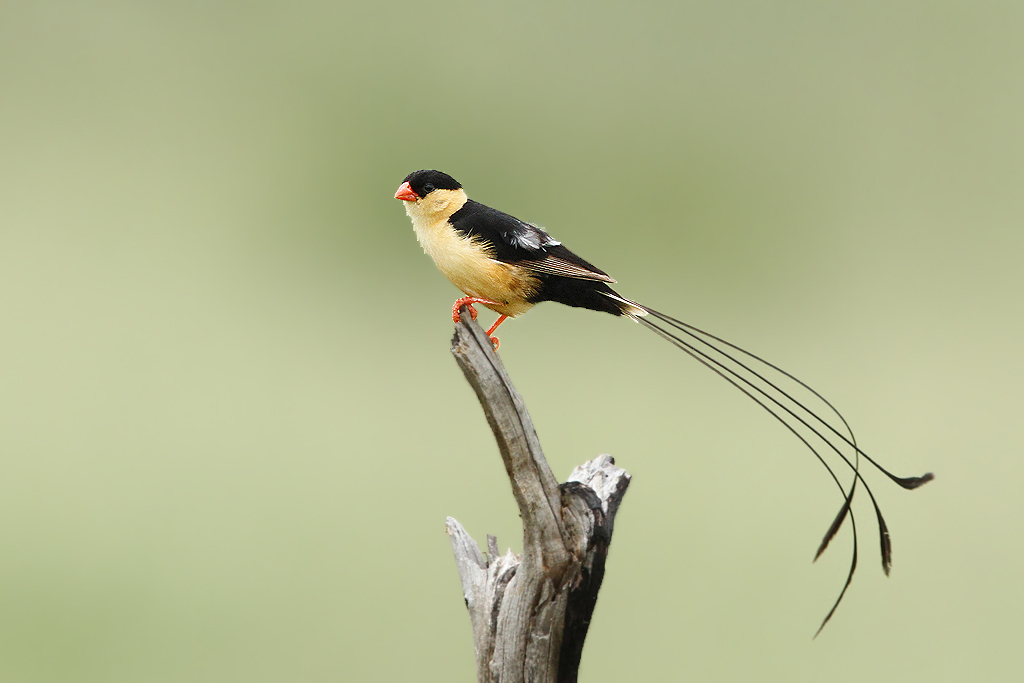
In southern Africa, there are five different groups that practise brood parasitism. These are the Cuckoos, Honeyguides, Indigobirds, Whydahs and the Cuckoo Finch (part of the weaver family). Honey-guides are the only family where the entire family is brood-parasitic.
Brood parasites and their young use several different techniques to ensure that the host parent gives the intruder the attention it requires. Tactics used by brood parasite chicks are innate and instinctive. The chicks are driven to behave the way they do from hatching as it is fundamental to their survival.
(Shaft-tailed Whydah bird)
Brood parasite’s chicks are usually larger than their hosts and quickly outgrow and out-compete their host siblings to their own advantage and often to the host’s offspring’s demise. Some species trample and smother the other chicks in the nest due to their larger size while other species (like Indigobirds and Whydahs) are simply reared alongside the host’s brood. The honeyguides are especially intentional about getting the competitive edge and their chicks are equipped with a bill hook on hatching which they use to lacerate and destroy their host’s chicks. Once it has overcome the competition, the brood parasite still needs to ensure that the host parent will feed it as it grows more obviously different every day. To induce this, the brood parasite chick has the same colour gape with similar markings (palatal spots) as the host chicks. The colour or pattern of the gape revealed during begging is unique for each species and is what induces the adult to feed the chicks.
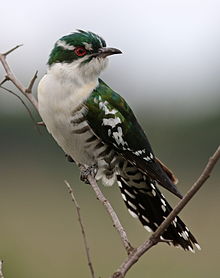
(Diedrick’s cuckoo)
The survival of a brood parasite chick is further enhanced by the fact that parasites that infest birds and their nests are also host specific. The parasitic fledgeling will be immune to infestations of pests that affect the host birds.
Brood parasites may be very host specific in their choice of species to brood their young. For example, the village indigobird will only parasitise the Red-billed Firefinch even mimicking its call to enable it to get close enough to the fire finches to locate the nest and lay a matching egg.
Other species are less host-specific but may use bird hosts that exhibit similar nesting habits, e.g. the scaly-throated honeyguide parasitises hole-nesting species such as woodpeckers and barbets. Diederick’s cuckoo and greater honeyguides are generalist, using 24 and 36 species of hosts respectively.
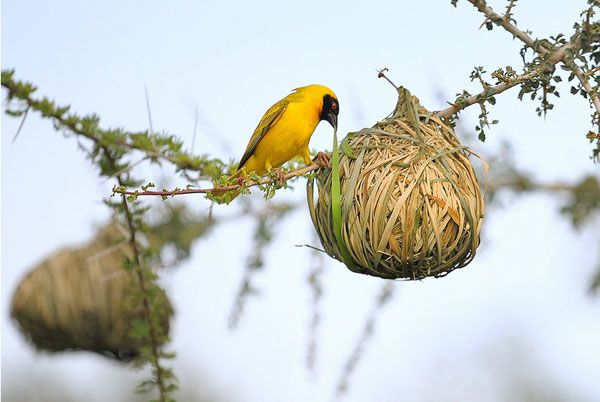
(Weaver)
Hosts birds do not comply willingly and will invest a great amount of energy into chasing and mobbing brood parasites when they are spotted. Hosts have co-evolved with brood parasites in an arms race where the development of a particular exploitative tactic on the part of the brood parasite is countered by the host in the development of an avoidance strategy.
An example of this would be the size of some weaver’s nest tunnels. These are large enough to accommodate the weaver parents but not quite large enough to accommodate a Diedericks cuckoo (a common weaver parasite). There are records of cuckoos getting stuck and dying in the just-too-tight tunnels of weavers. The arms race is, however, ongoing and as the hosts evolve, so too do the parasites as their survival is also at stake.
Although brood parasites never meet their own parents and are completely raised by a host species, they still know their own songs. The call of a brood parasite is inherited in its genes and is not a learned skill. In this way, they will attract the correct species of mate later in life.
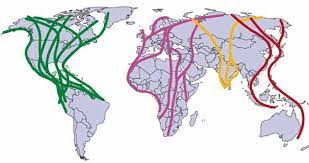
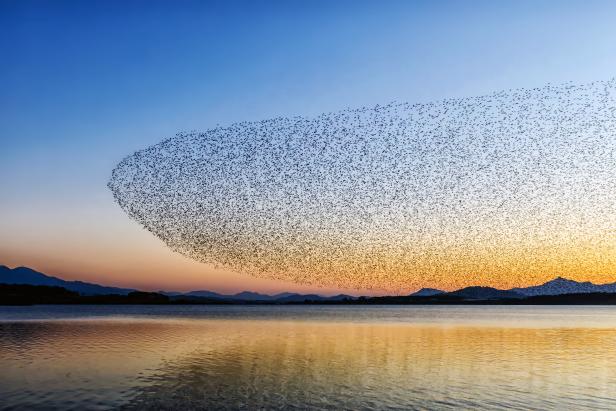
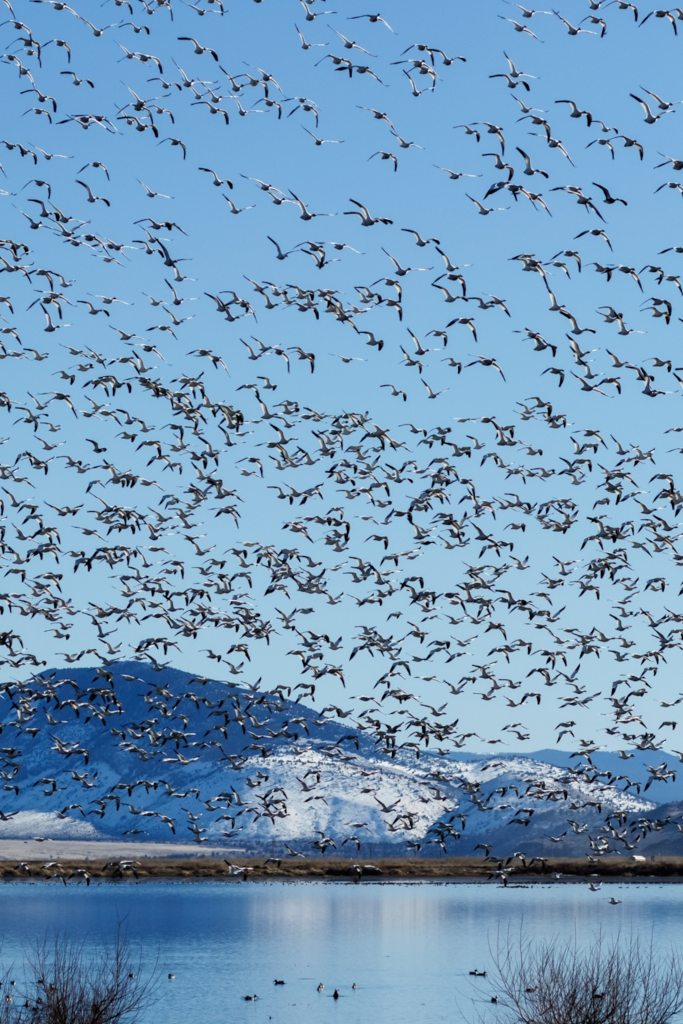
Migrating birds do not just point themselves in the right direction and hope for the best. Each species has its own traditional route.
How migrating birds get from A to B
Most routes follow obvious landmarks such as river valleys or coastlines. Some birds take winding routes around the coast. Others travel more directly, even if this means crossing risky stretches of desert or sea. Routes often converge at certain junctions, such as mountain passes or narrow sea crossings.
Many migrating birds return along roughly the same route they followed on outward journey. Others return a different way, so their annual journey is roughly circular. This is called loop migration.
Sand martins fly to Africa over the western Mediterranean, passing to the west of the Alps, but return in a loop via the eastern Mediterranean, passing to the east of the Alps. Loop migration allows birds to make use of food supplies or weather patterns that are found in different places at different times.
Around the world
It’s not only European birds that migrate; the whole world is criss-crossed with migration routes. In Asia, many northern species spend winter in the tropical south-east.
Some, such as the spine-tailed swift, even get as far as Australia by flying down through the islands of Indonesia. In America, birds from the northern USA and Canada migrate to South and Central America.
America has no seas or deserts to separate the north from the south, so migration is easier for birds that need to feed along the way. This explains why some tropical species from South America, such as the ruby-throated hummingbird, have extended their breeding range as far north as Canada.
Heading north
Not all migrants head south for winter. Some birds that breed in the southern hemisphere migrate north – such as the carmine bee-eater, which leaves South Africa in March (autumn in South Africa) and heads for east Africa.
The southern hemisphere is like a mirror image of the northern hemisphere: it gets colder as you head further away from the equator. Really these birds are doing the same thing as European breeding birds – finding a winter home with more food and warmth.
Over the sea
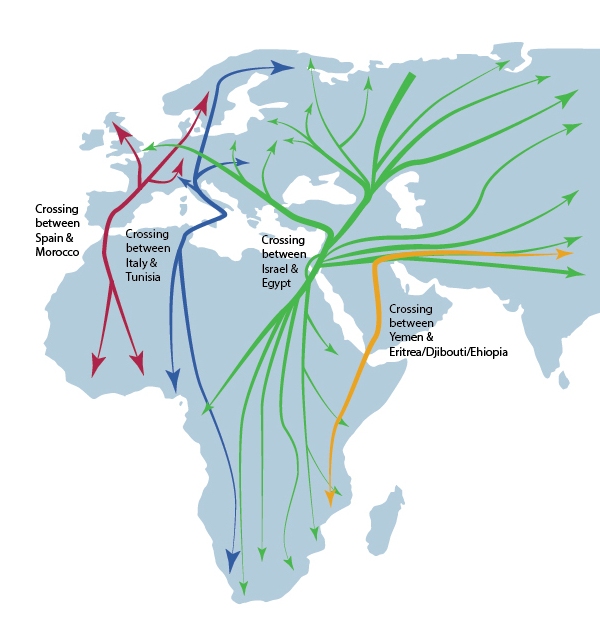
The Mediterranean Sea forms a massive barrier for birds migrating between Europe and Africa. Some small birds, with enough energy to keep flapping, cross wherever they can. But many larger birds head for the narrowest crossing points.
Some go west, via Gibraltar, where the coast of Europe is only 25 km (15 miles) from Africa. Others go east, reaching Africa through Turkey and Israel. In spring and autumn, thousands of storks, kites, and other large birds gather at these points. They wait for thermals – which only form over land – to lift them up high enough. Then the wind carries them over the sea.
Over the desert
The Sahara Desert in North Africa is a vast wilderness of sand, rock, and gravel, about as big as the United States. Days are scorching hot, nights are freezing cold, and with very little food or water, it is no place for migrating birds. Unfortunately, the Sahara lies right between Europe and tropical Africa, and more than 500 million birds have to cross it twice a year.
Wading birds such as dunlins avoid the Sahara altogether by flying down the coast, feeding at estuaries along the way.
But many land birds, such as cuckoos, cross it in one non-stop flight. Once they reach the other side, the exhausted migrants drop down in the first green space they find. They feed up quickly to regain energy for the final leg of the journey.
Applying sustainable fishing practices and methods isn’t hard. We need to be aware of how fishing techniques affect aquatic wildlife and habitats.
It is possible to fish sustainably. In some parts of the world, people have been doing it for thousands of years. Today, we can learn much from these old ways of fishing.
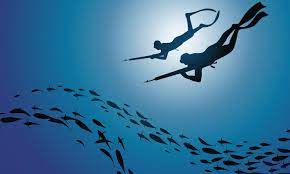
The Tagbanua people of the Philippines are one example. They have been fishing sustainably for many years and use spear fishing. The Tagbanuas fish for specific kinds of fish only during certain times of the year and catch only a small number of fish. The rest of the year, the fish are left alone. That gives their population time to grow larger again.
The biggest problem these days is with commercial fishing. There is more and more pressure to feed an ever-increasing world population. Some of the industrial scale fishing techniques are described below –
Gillnetting
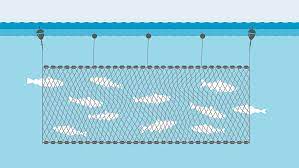
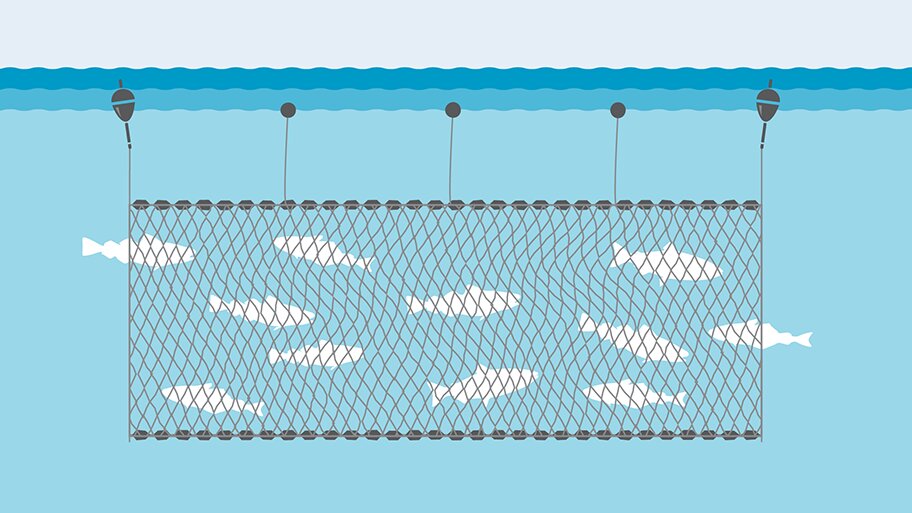
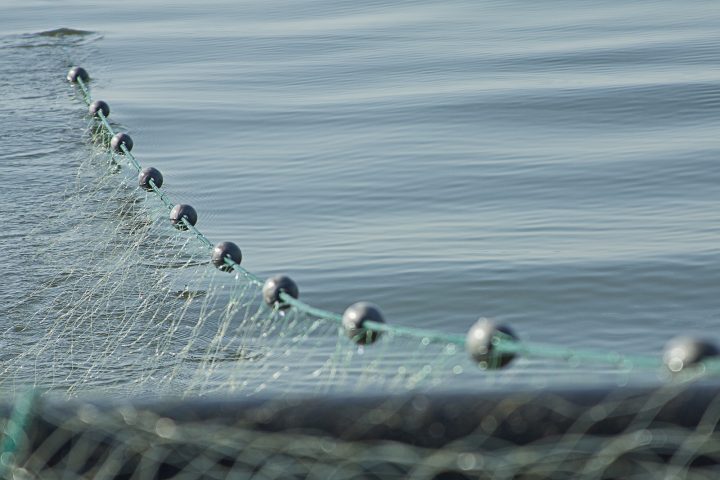
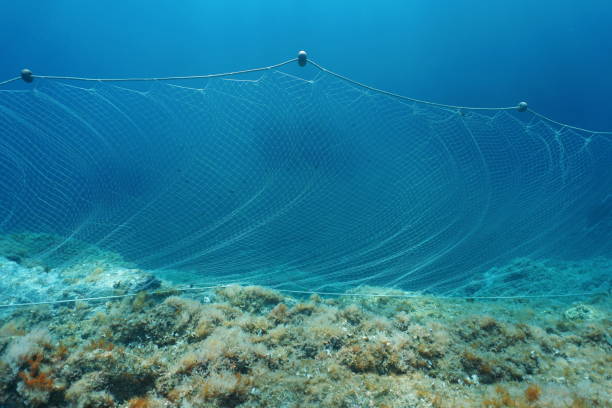
Gillnetting uses vertical panels of netting that hang from a line of floaters. Gillnets have been used since the Viking era, but the advent of the powered drum to drag in larger and larger nets and the use of synthetic fibres for netting material changed this type of fishing to an unsustainable one. These nets can now be kilometres long, and they catch everything in its path. Many of the species caught are not wanted (they are called bycatch), and populations are decimated. In addition, some of these nets break free and float around the ocean, catching fish for years afterwards.
There is a movement to ban gillnetting completely, but to date only one country has done this. Some regulations are in places in certain areas to make gillnetting more sustainable:
Gillnetting is banned at certain time of the year
Netting is banned when bycatch numbers become too high
Regulations determine the breaking strength of the nets, the material used, and the size of the gaps in the nets.
While this can be done in territorial waters, it is almost impossible to control in international waters, and illegal fishing continues unabated.
Longline fishing
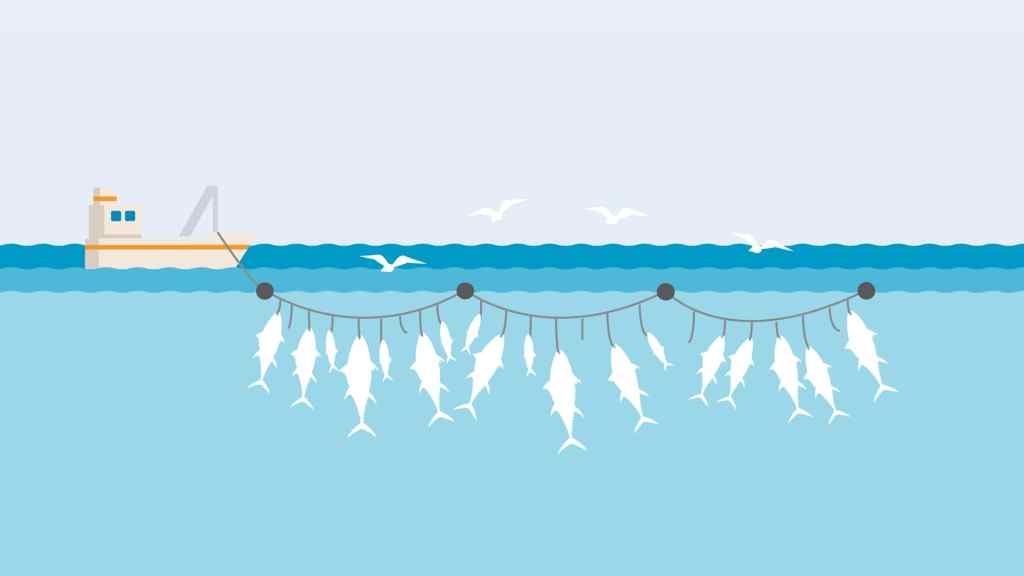
Longlining is a technique that uses a long line with baited hooks attached at intervals via short branch lines. Longlines can be up to 100km long. Originally thought to be a better option than gillnetting, it does unfortunately result in a huge proportion of bycatch – especially dolphins, seabirds, sea turtles and sharks.
There have been attempts to control longlining by limiting the number of hooks for example when fishing for Patagonian toothfish, deploying streamers to scare away birds, and limiting fishing seasons.
Very little information on bycatch is available as international longliners keep very little if any records of their catches. Longlining has had catastrophic implications for certain fish species.
Seine fishing
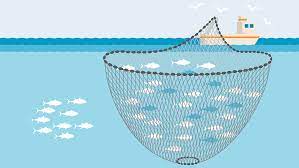
Seine fishing uses a surrounding net, deployed either from a boat or from the shore. It differs from gillnetting in that the net surrounds the fish rather than directly snaring them in the net. Seine fishing targets specific fish types, usually those travelling in shoals like mackerel or herring, so the bycatch is lower than with gillnetting. However, it can put huge pressure on fish stocks.
This large scale depletion of the oceans is close to causing permanent damage to our marine ecosystem if this issue is not addressed.
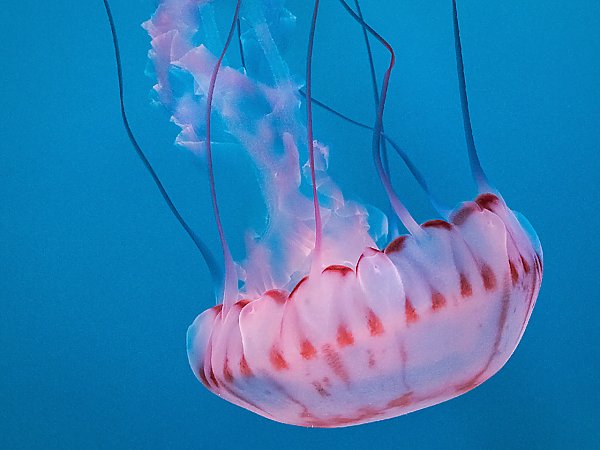
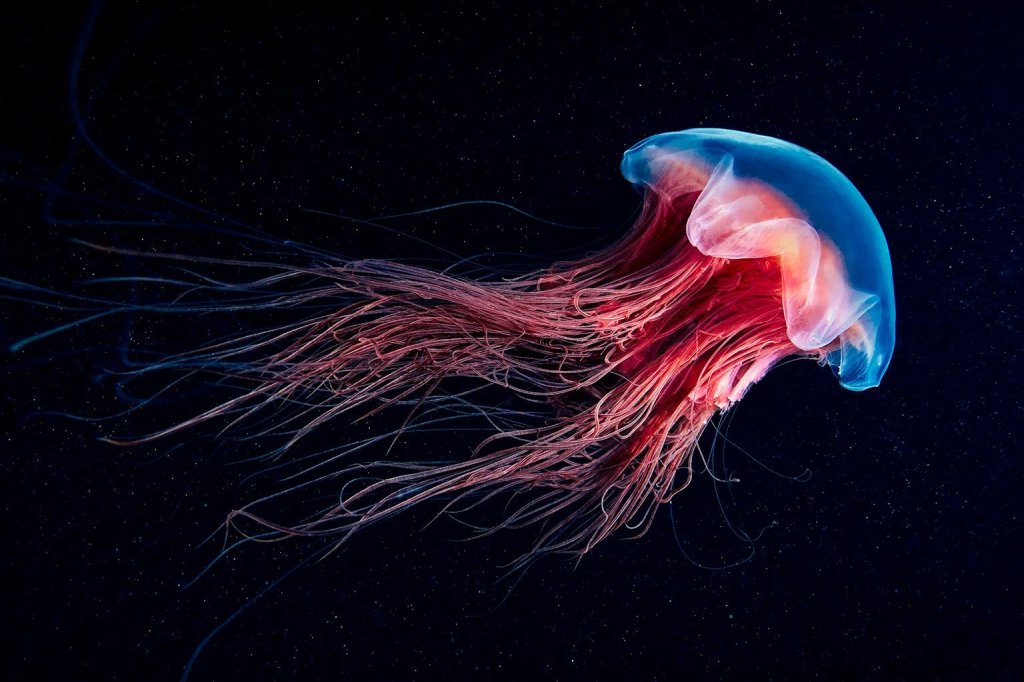
Jellyfish have superpowers – and other reasons they don’t deserve their bad reputation.
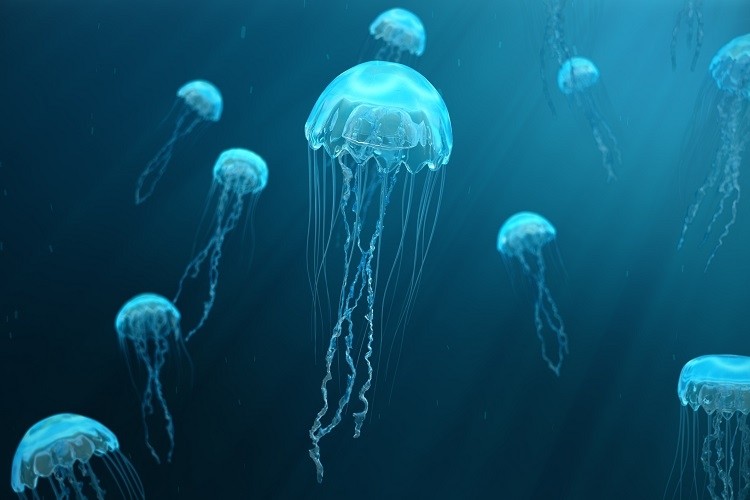
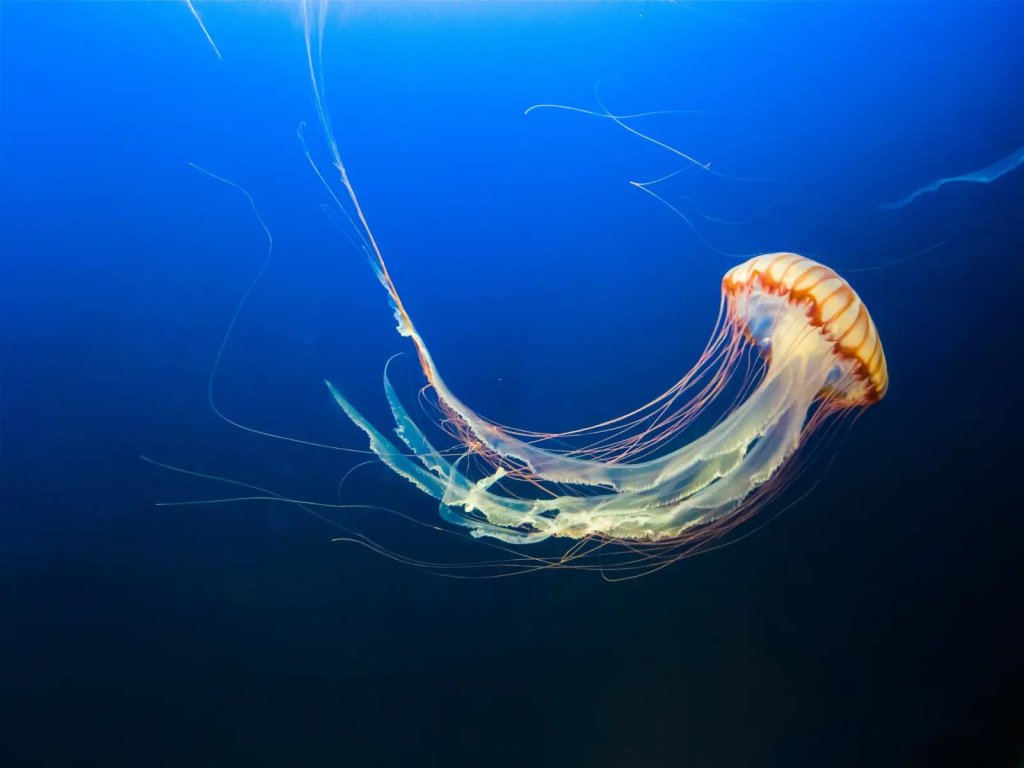
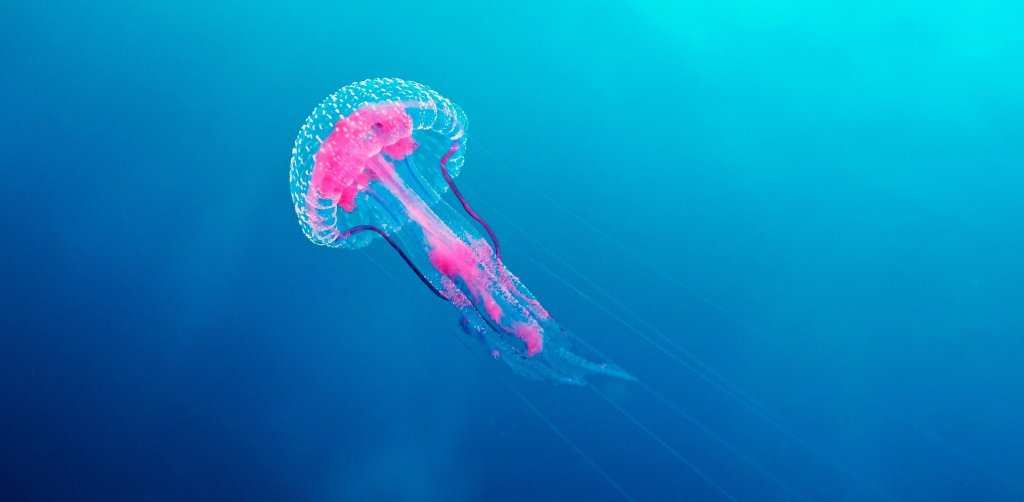
People rarely enjoy meeting a jellyfish. On the beach they appear limp, amorphous, and blistered in the sun. In the water it’s often a brush of a tentacle on exposed skin followed by a sting. They hardly evoke the serene elegance of a turtle or the majesty of a breaching humpback whale. But despite making a poor first impression, jellyfish are among the most unusual animals on Earth and deserve a second chance to introduce themselves.
Jellyfish are very important animals in the ocean. We should respect and not harm them. They are food for several marine animals such as large fish and turtles. Jellyfish also provide habitat for many juvenile fish in areas where there are not many places to hide. They can also protect the small fish from being eaten by predators with their stinging cells. Also, many young crabs hitchhike on the top of jellyfish, so they don’t have to swim.
Many jellyfish have evolved unique abilities, some of which seem almost supernatural. Comb jellies produce mesmerising bio-luminescent displays. One tropical species has formed a symbiotic relationship with photosynthetic algae, which act like their own personal solar panels and let them obtain energy straight from the sun.
The pièce de résistance is surely their second chance at youth. When conditions are unfavourable, certain species including compass, barrel, and moon jellyfish can reverse their development and effectively turn back into jelly-children to wait out the hard times.
Jellyfish can undoubtedly cause ecological and economic problems for humans. Mass outbreaks of jellyfish can overrun fish farms, block cooling pipes of power stations, burst fishing nets and damage tourist businesses. Their stings can also cause a severe allergic reaction known as anaphylaxis and even kill people. But jellyfish are also a source of medical collagen, which can be used in wound dressings or reconstructive surgery.
But the greatest jellyfish contribution to humankind must be the green fluorescent protein (GFP), a common biomarker synthesised from crystal jellies. GFP allows scientists to monitor how certain genes work in real time, and has proved invaluable in medical research, being used in well over 30,000 studies including the study of HIV and Alzheimer’s disease.
There is still so much to discover about these amazing sea creatures. Until recently it was thought that jellyfish may not be eaten by anything aside from the occasional turtle or sunfish, and they didn’t make a significant contribution to the food chain. This prompted concerns that as jellyfish populations swelled there would be no natural control, and ecosystems may become jelly dominated.
New analytical techniques involving acoustics, marine cameras, chemical analysis, and DNA analysis have shown a variety of species do eat jellyfish. This means jellyfish likely play a more important role in marine ecosystems than previously thought. Documenting and understanding this is a top priority for jellyfish researchers.
Around the world, fishermen use low-cost nets that sit like fences on coastal sea floors. Known as gill nets, this type of gear is highly effective at catching fish when the mesh snags them by their gills. Unfortunately gill nets also catch a host of other species by mistake such as sardines, sharks along with assorted sea turtles, dolphins, and even whales.
At times these gill nets get overloaded with fish and form a “wall of death”. The nets break free and settle to the bottom. The dead fish in the nets are eaten by scavengers, and then the nets float again – a new wall of death kilometres long, unconnected to a fishing ship and causing irreparable damage.
Used for hundreds of years, the use of gill nets became particularly damaging with the advent of the first powered drums to haul in nets, and the use of synthetic material to make nets in the 1960s.
Gill nets can be made more selective to catch fish of a particular species and size and avoid undesired fish. This can be done by regulating mesh sizes and net strengths. Adding acoustic pingers to gill nets reduce the incidence of dolphins caught in the nets by over 90%.
California has banned gill net fishing in near-coastal waters, and other states are starting to regulate this type of fishing by limiting the fishing seasons and/or the type of nets used.
Belize, a country for which marine fishes are a major touristic asset has completely banned the use of gill nets and fishers’ compensation to surrender their gear. While a gill net ban is a huge victory for Belize, this deadly gear is still in use in many other parts of the world.
Very deep driftnets that had lengths of tens of kilometres were for decades commonly deployed in the high seas to catch tuna beyond the jurisdictions of coastal countries. They were outlawed by the United Nations in 1989 because of the damage they inflicted, but they continue to be used widely, though illegally. They are most often used to catch swordfish, tuna, and salmon.
By outlawing giant driftnets United Nations have shown that it is possible to reverse course and protect marine diversity rather than mindlessly destroy it. There is a long road ahead, but a start has been made.
 Tourism Tails