Zulu Beadwork

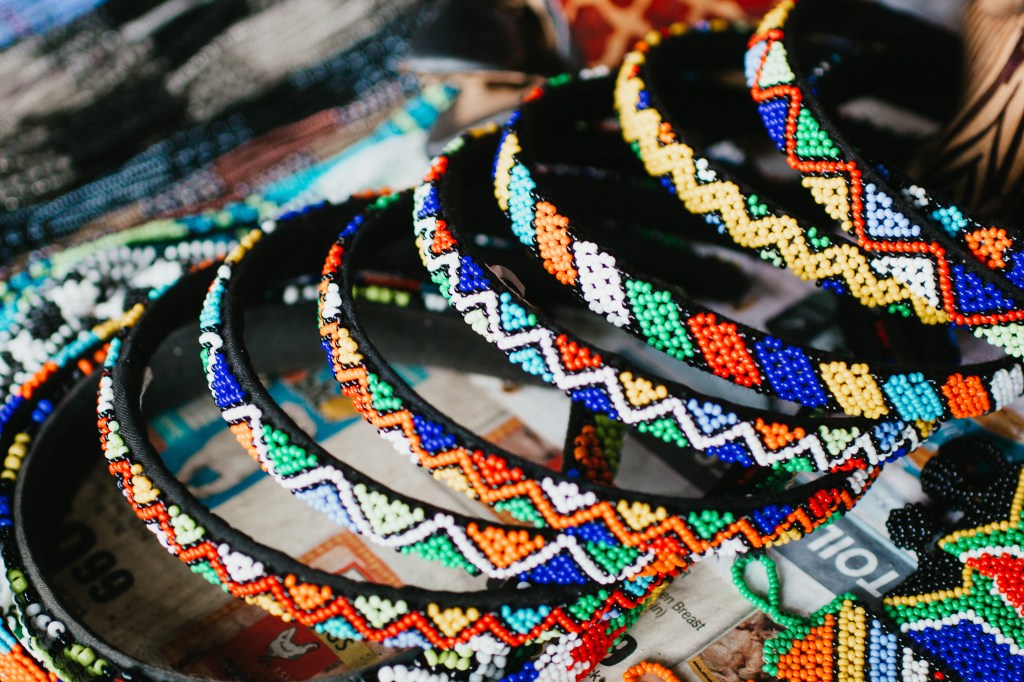
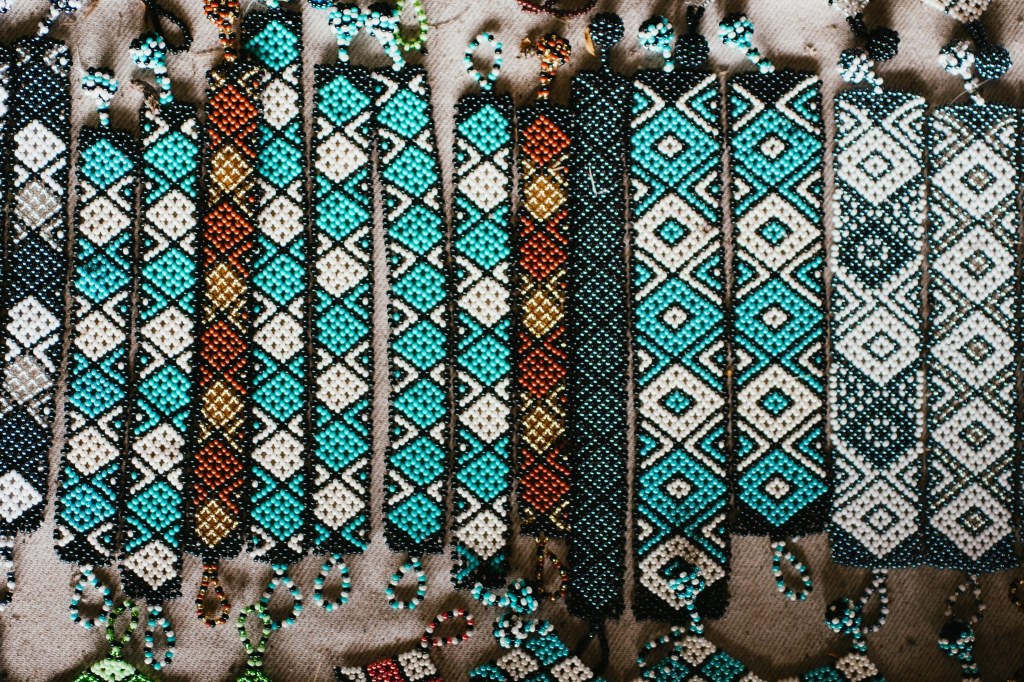
If you are interested in local arts and crafts Zulu beadwork is something you need to explore.  It is colourful, vibrant and highly decorative.The Zulu are an ethnic tribe who live mainly in the South African province of KwaZulu-Natal. They are renowned for their artistic, colourful bead craftsmanship. Zulu beadwork is not only beautiful, but is also rich in tradition and cultural meaning. 
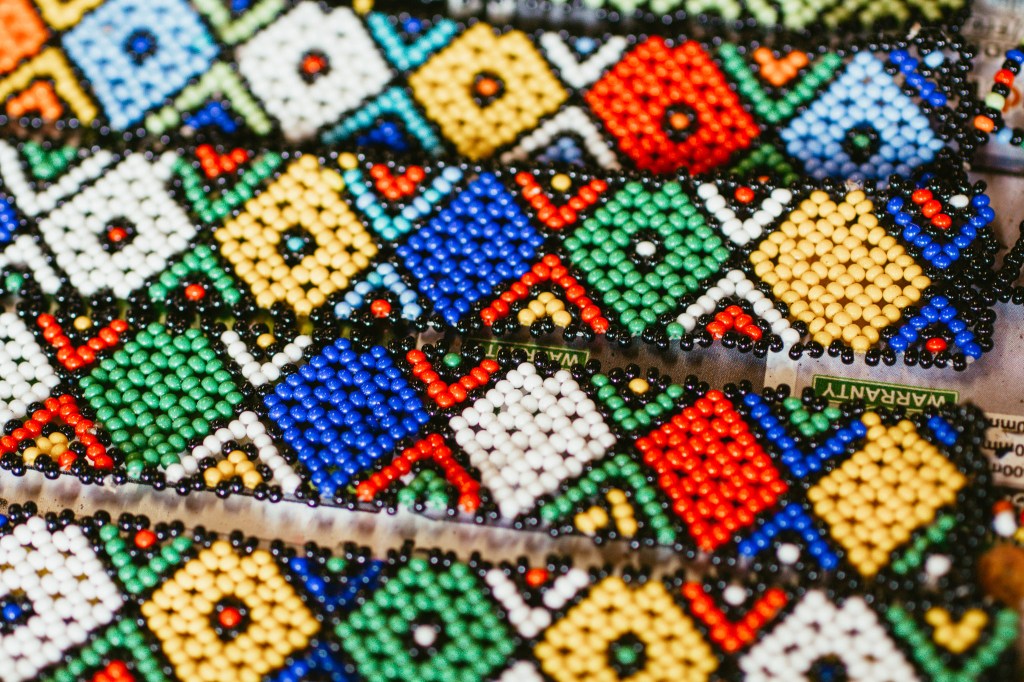
The only shape used by the Zulu in their beaded jewelry is the triangle. The triangle is a representation of the father, mother and child. Here is what the triangles on the jewelry depict:

  • A triangle pointing down represents an unmarried woman.
  • A triangle pointing up represents an unmarried man.
  • Two triangles joined at the base represent a married woman
  • Two triangles joined at the points in an hourglass shape represent a married man.

The colours of the beads used also influence the meaning of the message conveyed through the beadwork. Unlike the shapes used in the beadwork, which have traditional and specific meanings, the colours used can have positive or negative meanings. The seven main colours used by the Zulu craftswomen are green, blue, red, black, white, yellow, and pink. Each of these colours has an optimistic meaning, however the meaning can be changed by the context in which the beads are used within the jewellery piece. Listed below are seven colours, and their associated positive meanings, followed by a list of each colours negative meaning.

Zulu Bead Jewelry Positive Meanings of Colours:

  • Red – Strong emotion.
  • Yellow – Wealth.
  • Green – Contentment, bliss.
  • Blue – Faithfulness.
  • Pink – Adds emphasis to a promise.
  • Black – Marriage.
  • White – Love.

Zulu Bead Jewelry Negative Meanings of Colours:

  • Red – Anger, impatience.
  • Yellow – Badness.
  • Green – Illness.
  • Blue – Hostility, ill feelings.
  • Pink – Poverty.
  • Black – Death, sorrow, despair.
  • White – Has no negative meaning.

Each of the seven colours as previously explained can be used by the artist to express a negative, or a positive meaning. For example, yellow can mean wealth in a positive context, but evilness in a negative one. Red means physical love and strong emotion, but adversely it can illustrate anger and heartache. The craft itself creates a linguistic message devoted entirely to the expression of ideas and feelings related to relations between the sexes. 

Depending on the design, colours and symbols that are put together in each piece, the Zulu beadwork has its own specific and very personal message created by the artist. 

If you want to explore this beautiful craft fashioned by the Zulu women for yourself, a visit to the various craft stalls in the village of St Lucia will offer you a wide colourful selection to choose from. If you are not sure where to go, just ask us at St Lucia Eco Lodge reception.
Questions Animals Ask About Humans On A Safari

After many years of sneaking through the bush at night or drifting through the bush under a glorious African sun, I have begun to wonder if animals ask each other questions about guests in vehicles. I have answered thousands of questions from guests and thought that there may well be a few that animals might be interested in asking should the opportunity arise.

1) When do they (people) sleep?
2) What do they eat?
3) How big do they get?
4) What is the difference between the male and female?
5) How do they find their way back home?
6) How many babies do they have?
7) Are they social, or do they live on their own?
8) How many different kinds of people are there?
9) How long do their off-spring stay with them?
10) Where do they go when it rains?

Or maybe animals are just not concerned about people around them. For each it is about finding more grass or enough prey to keep their stomachs full. Their quiet observance of our habits, and their expressions make me often wonder what exactly they think of us and our shenanigans.

Midnight manifestations

Although St. Lucia Village has relatively few residents, a paltry 650 odd residents, for its size it is certainly not a sleepy hollow. Day and night, it is abuzz with environmental activities. Described as an outdoors activities village in a place of wonder. At 5:00am tours depart for various parts of iSimangaliso and other smaller Parks an hour away. In the evening night tours take place and some of these only return to St. Lucia in the wee hours of the morning. So, if you plan to do everything in a few days, expect to get very little sleep.

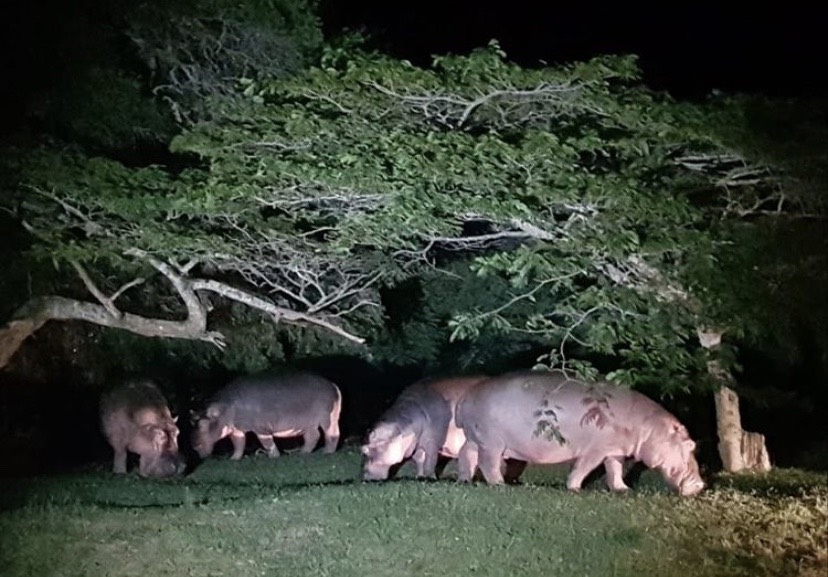
Even the animals “work” day and night shifts. Others are crepuscular. But there is one mighty beast of the night, that gets everyone talking. A monster and blubbery one at that. Stalking our parks in the dark of the night, like giant grass vacuum cleaners. A total of 130kgs of grass are vacuumed into their massive bodies. Silently slipping between trees, grassy parks and the traffic to get to their urban salad bowls. You see their silhouettes in the faint streetlamp light. Back and forth guzzling down grass. 

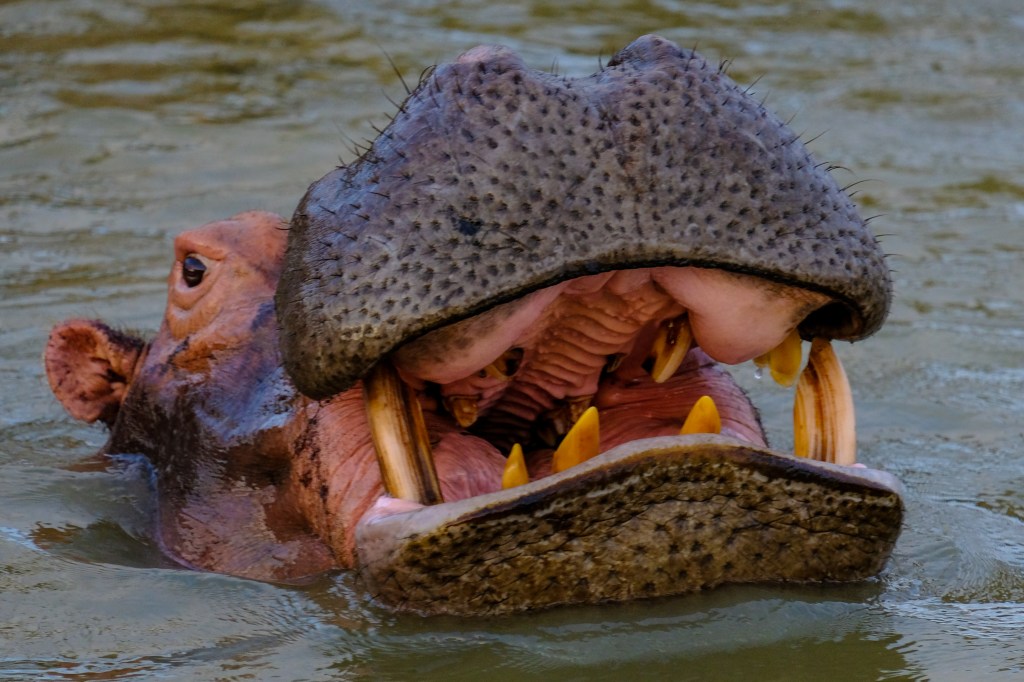
In the morning wide eyed guests regale of their uncertain encounters with these midnight monsters, some quite uncertain of their encounter and willing to believe it was the previous nights vodka that was responsible for their sightings Certainly, the hippos living in the estuary surrounding St. Lucia Village have a soft spot for our hamlet. Sneaking in at night to nibble the verdant greens and shuffling off into the lake in the early hours of the morning before the first vehicles depart for not too distant game reserves or early morning fishing. So this quiet hamlet never really sleeps, certain residents are up all night while others are diurnal.

Africa is alive 24/7.

The Jolly Rubino Meets its Maker

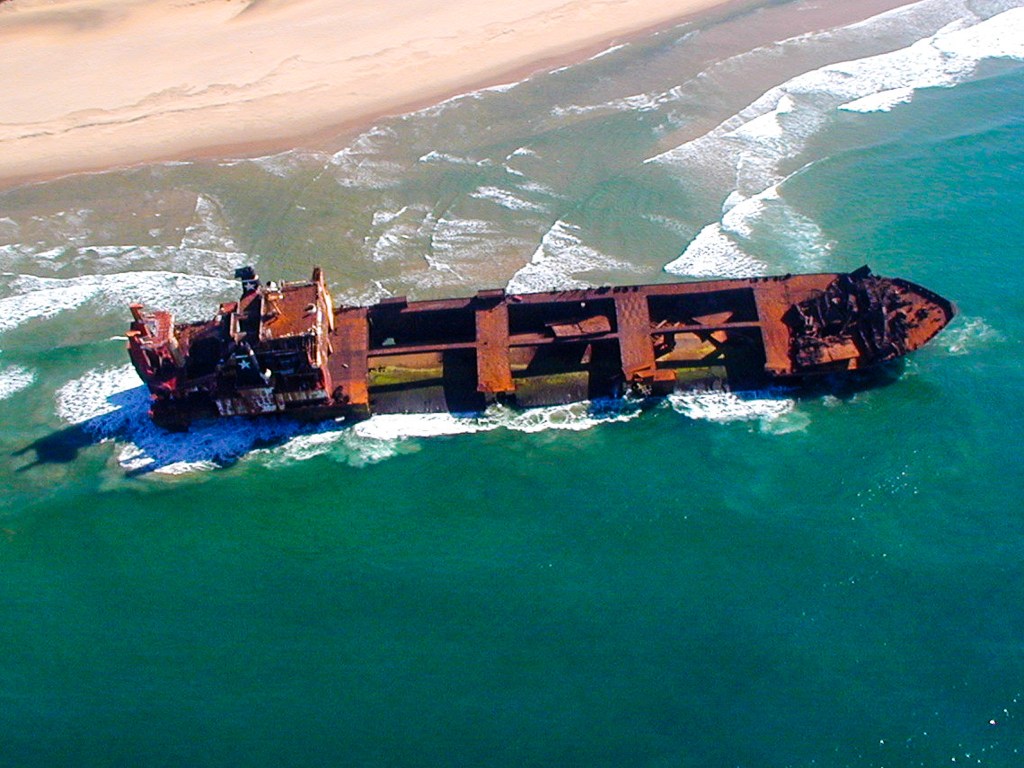
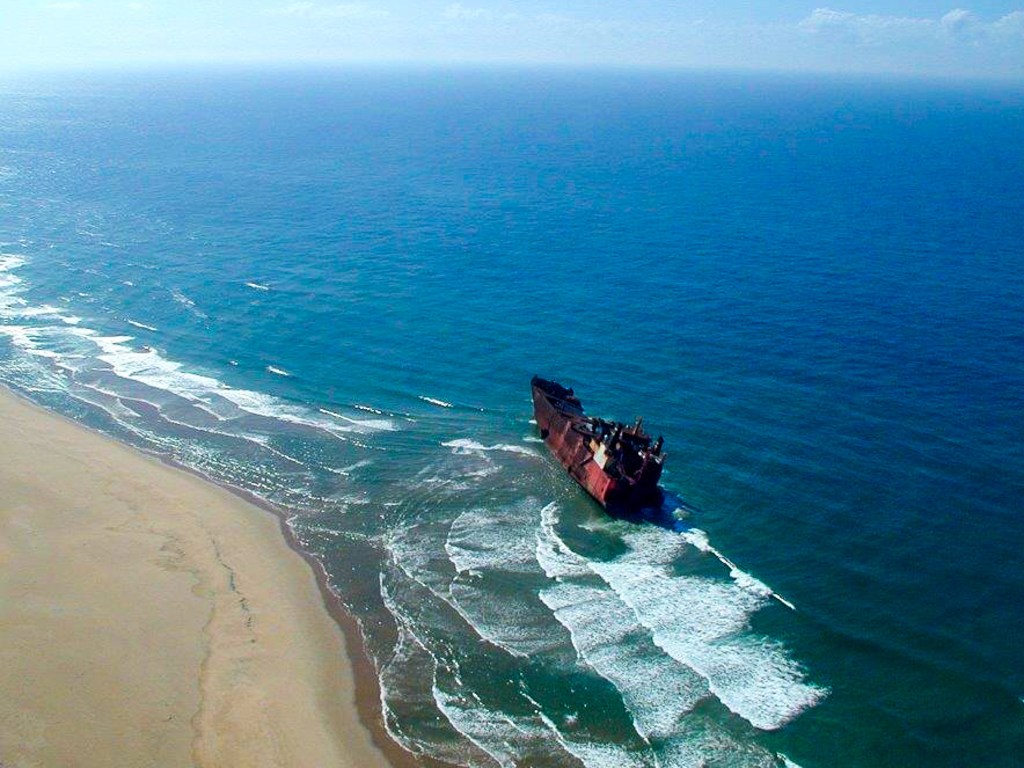
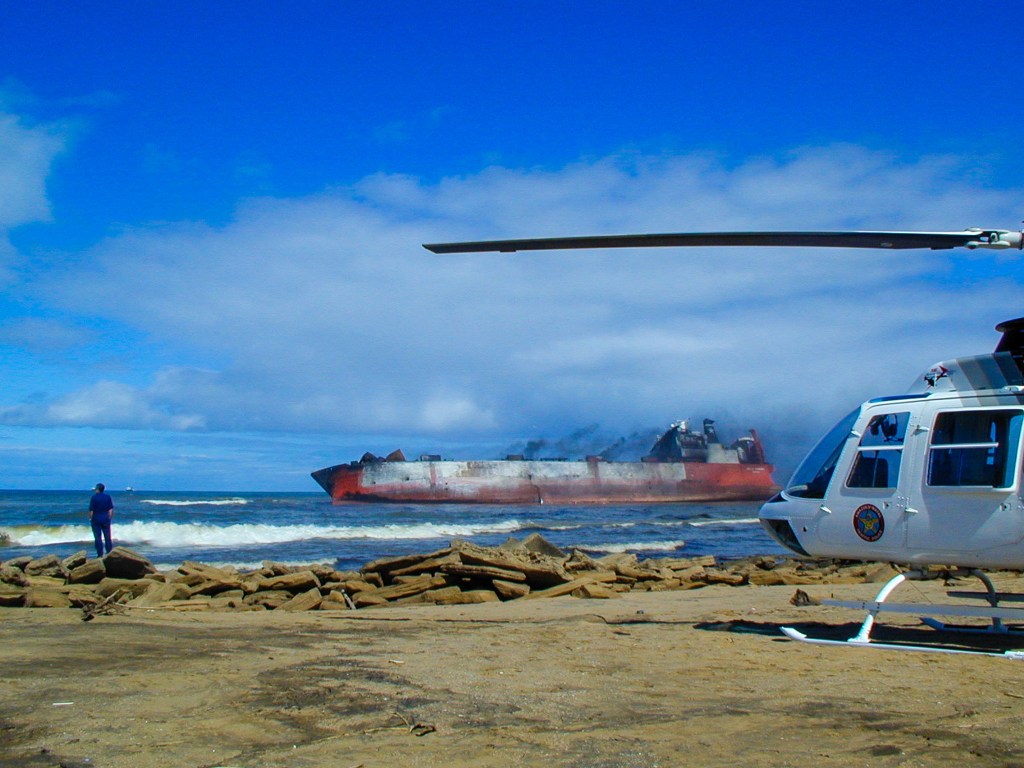
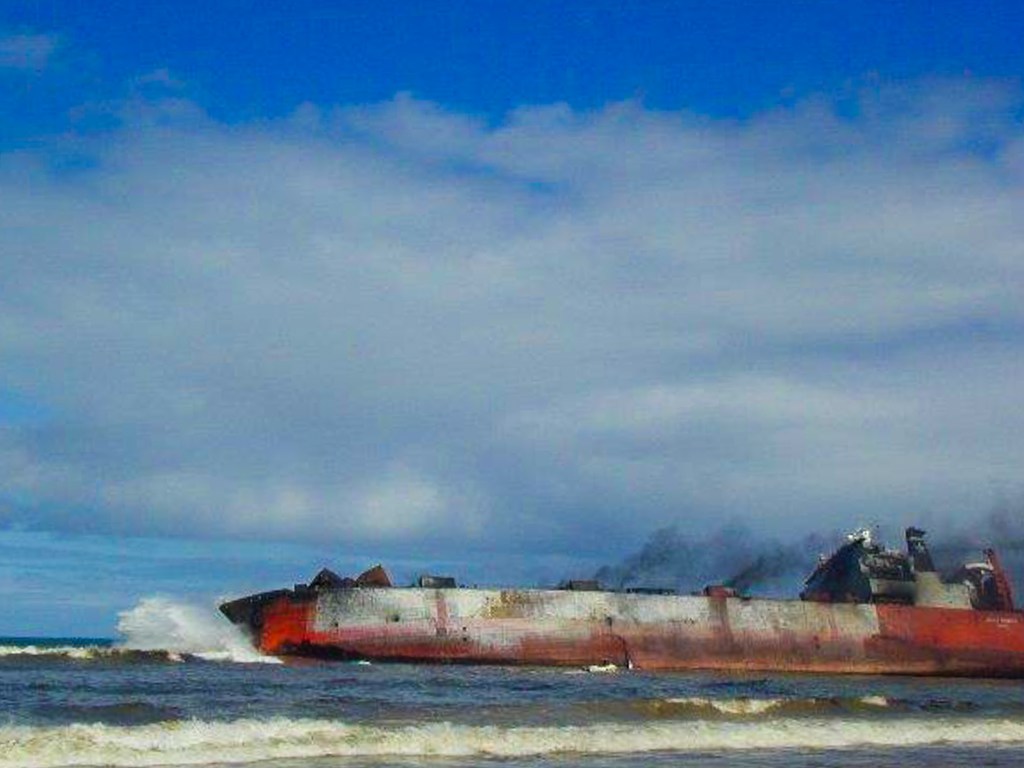
The Jolly Rubino was an Italian-owned container vessel, which caught fire off of Richards Bay in September 2002. In the severe sea conditions that followed and the sea currents caused the Jolly Rubino too drift out to sea towards the shores of Lake St Lucia. The fire on board prevented the anchor from being dropped thus creating a potential shipping hazard to other ships and the St Lucia coastline, which had already been declared a UNESCO World Heritage site 3 years previously.  

Its been nearly two decades since the incident, and the ocean and elements have taken their toll on the boats structure where it is slowly being consumed by the sea and becoming a reef and safe haven for smaller fish species. It would seem the Jolly Rubino has found its final resting place just south of Maphelane.

There also seemed to be no obvious pollutants around the site of the wreck as curious whales had come to inspect it without coming to any harm. In late 2002, the salvage company working in conjunction with environmental and maritime authorities at the expense of the owners managed to remove all of the remaining hazardous cargo and the majority of oil, thereby significantly reducing the threat posed by the vessel to the highly sensitive marine reserve. They also took a number of steps to safeguard the area by removing other materials, which could wash up as debris along the coastline if and when the vessel breaks up. 

The Jolly Rubino in its final resting place

Four Ecosystems from Eco Lodge’s Cottages

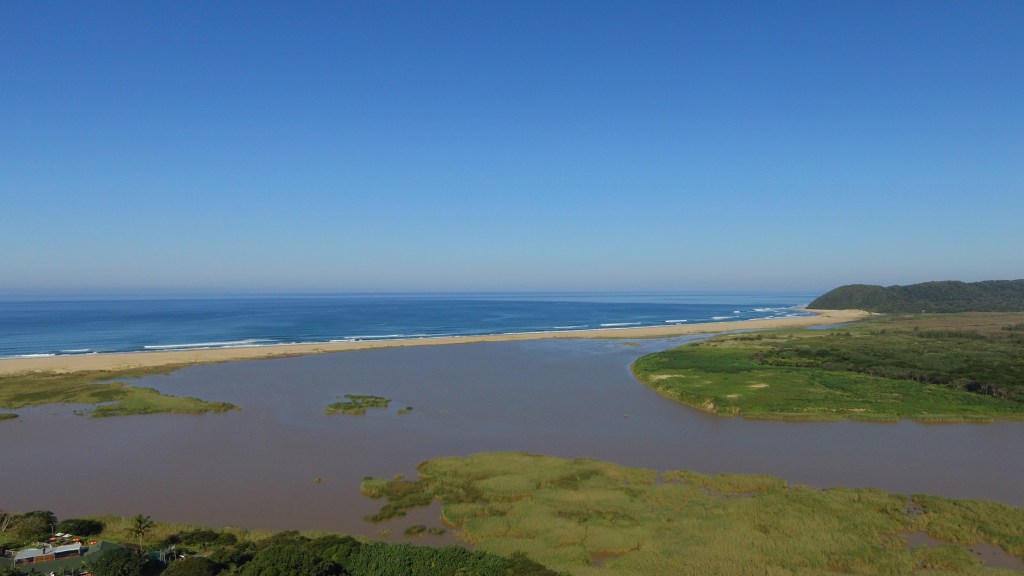
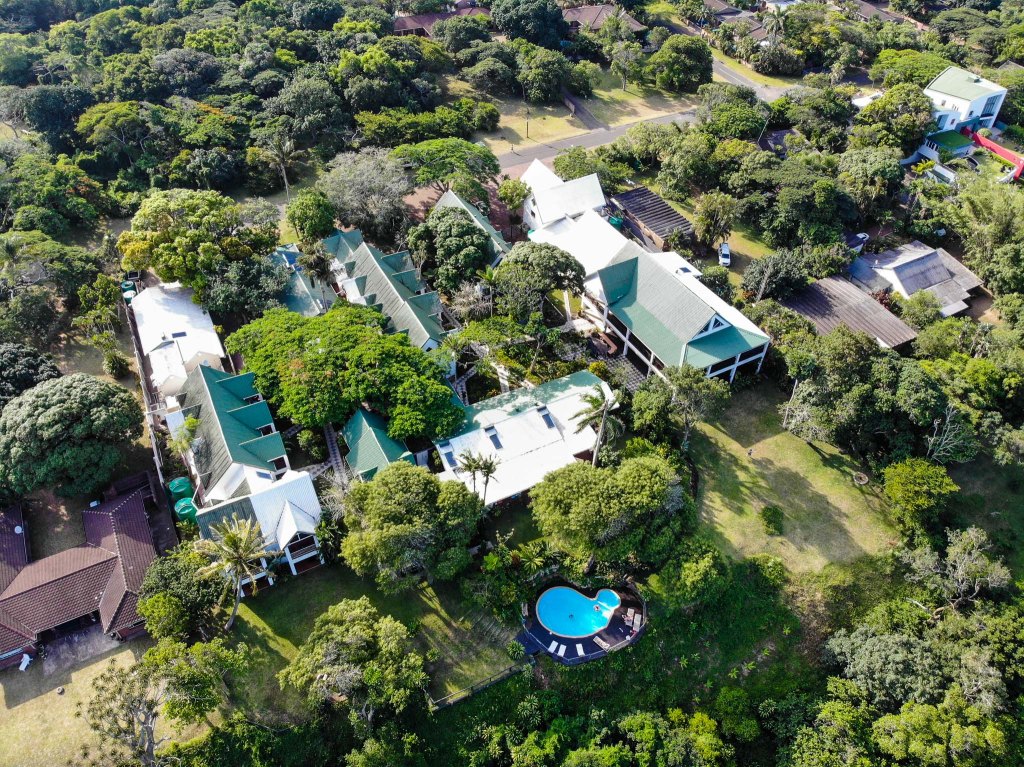
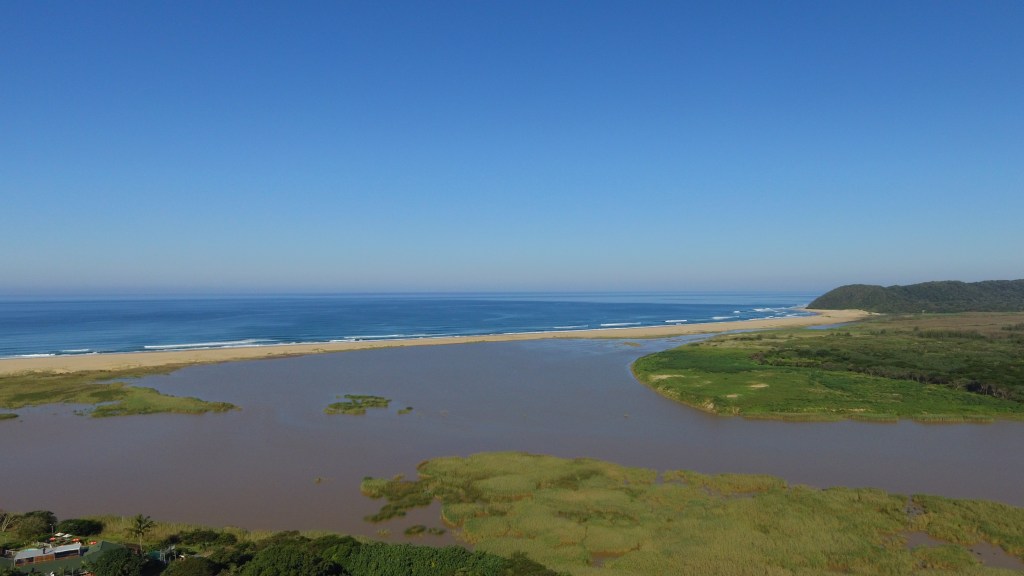
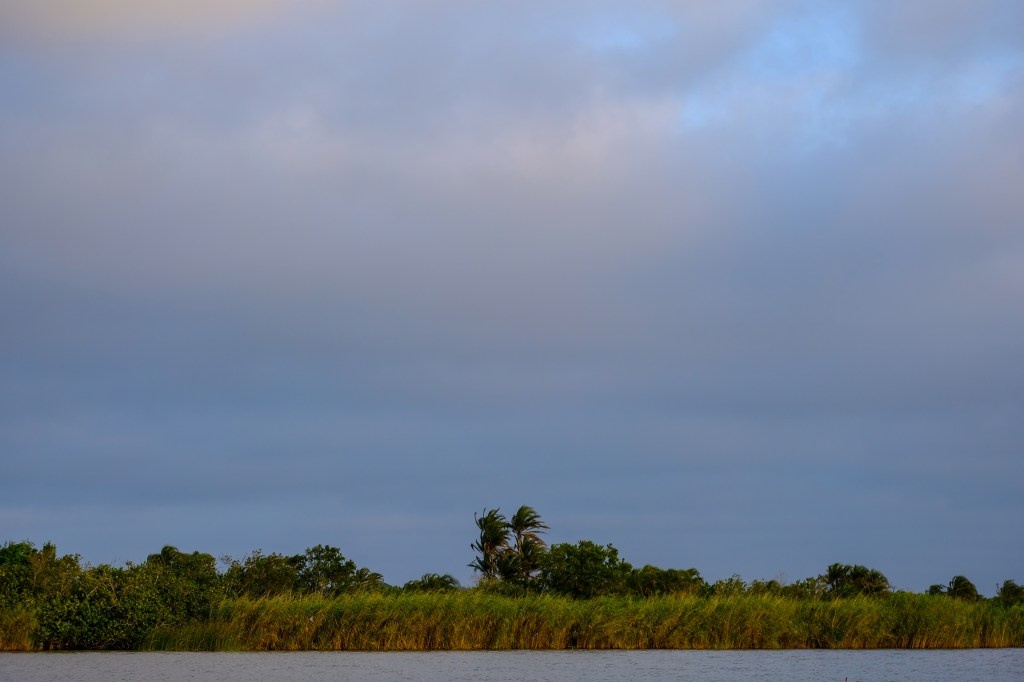
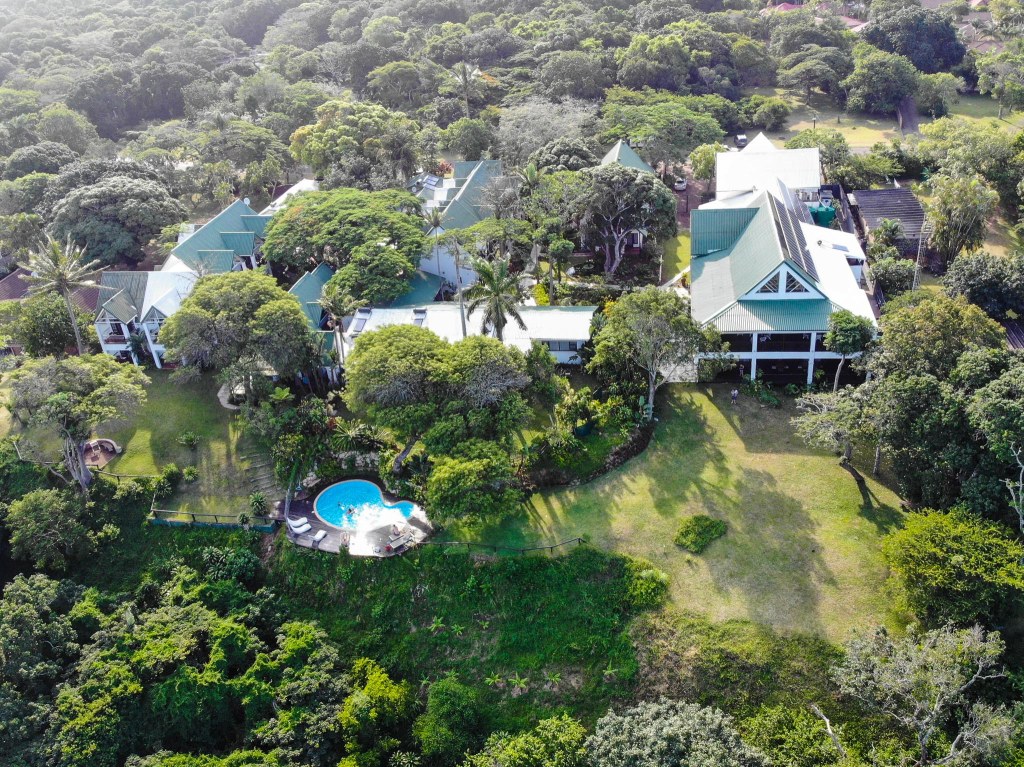
St. Lucia Eco Lodge is uniquely situated within the village of St. Lucia because from the lodge you are able to view four of the major ecosystems that make up the iSimangaliso Wetland Park – The ocean, dune forest, wetlands and lake system.

iSimangaliso’s uniqueness lies in its extraordinary diversity, specifically its combination of subtropical coastline and classic grassland African game park. It is South Africa’s third-largest park, spanning approximately 1 300 000 hectares, after the massive marine sanctuary was added on 1 Aug last year including pristine natural ecosystems – swamps, lake systems, beaches, coral reefs, wetlands, woodlands and coastal forests. The parks 60-kilometre river mouth creates the Lake St Lucia Estuary, which runs parallel to the coast separated from the sea by the world’s highest forested sand dunes. This lake forms part of the St Lucia estuarine system, the largest estuarine system in Africa. 

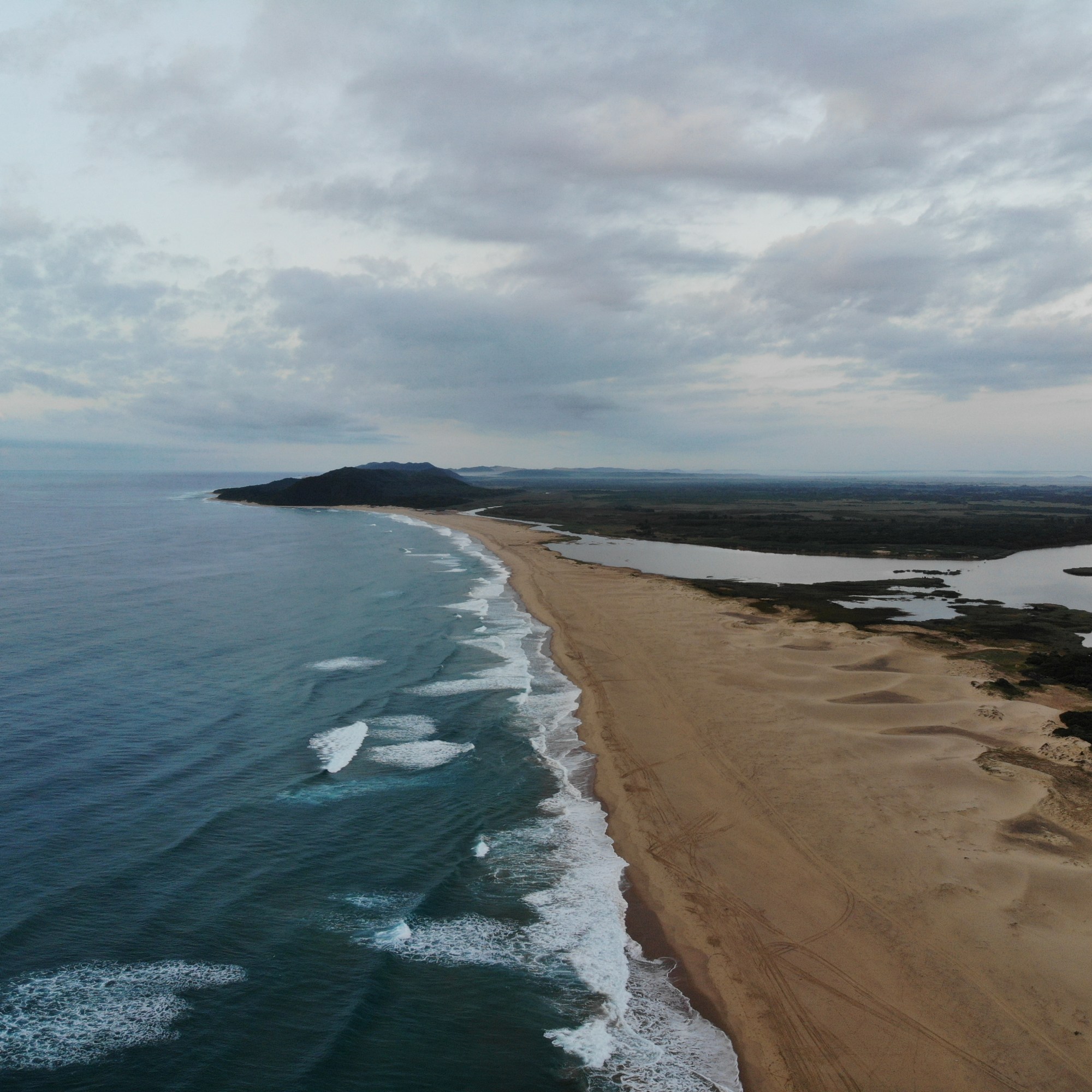
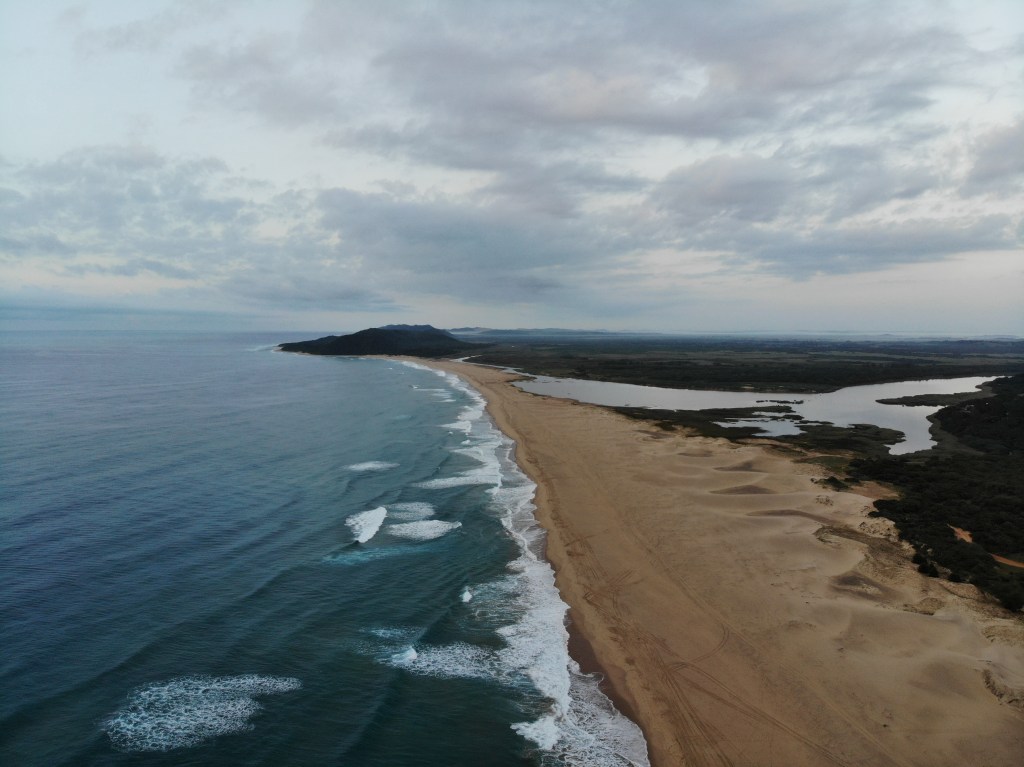
DCIM\100MEDIA\DJI_0012.JPG

The iSimangaliso’s wide varieties of ecosystems provide natural habitats for an astounding diversity of species in the area.

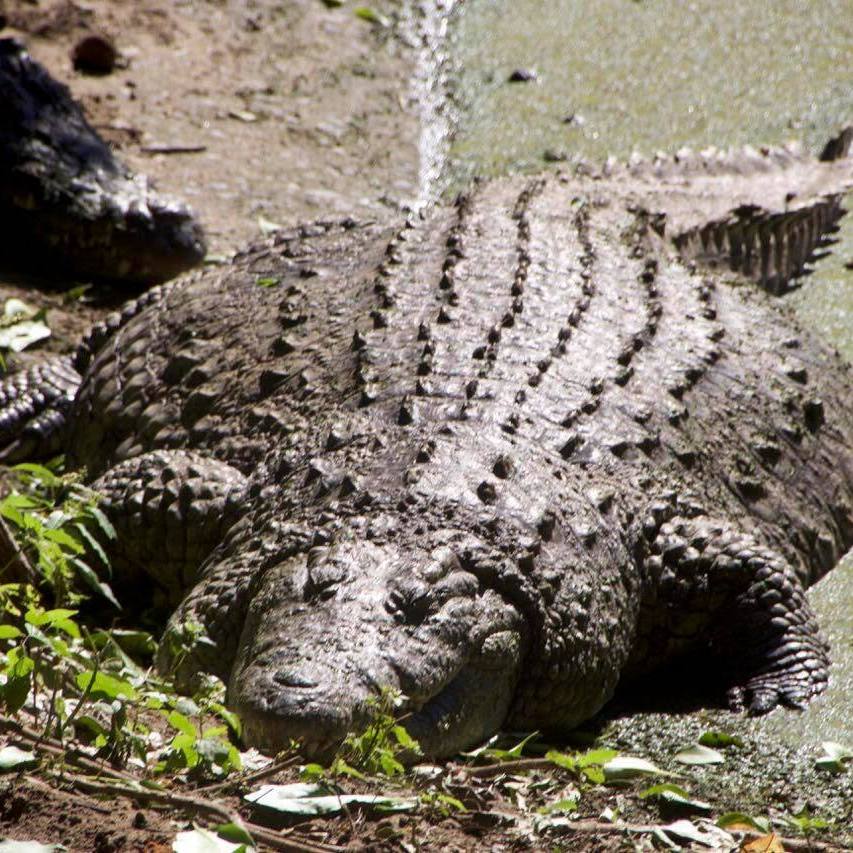
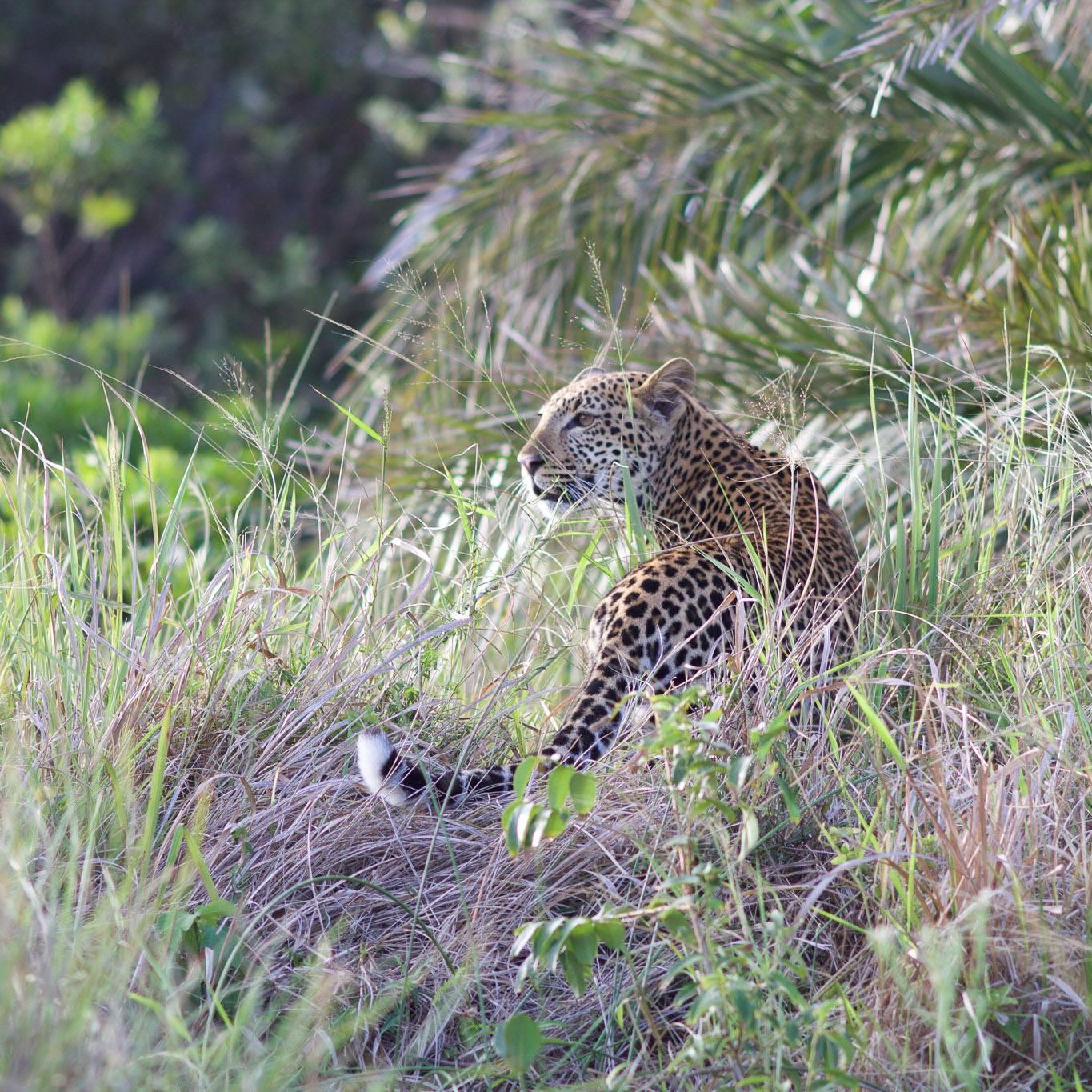
With its lakes, lagoons, freshwater swamps and grasslands, iSimangaliso provides for more species of animal than the better-known and much larger Kruger National Park and Okavango Delta – from the country’s largest population of hippos and crocodiles to Giant Leatherback turtles, leopards, and a vast array of bird and marine life.

St. Lucia Eco Lodge Guest Bouquet of Benefits

Eco Lodge is offering a voucher bouquet of all their St. Lucia Eco Lodge benefits for direct bookings only. This is an excellent deal and one that should not be missed. Contact us on info@stlucia-ecolodge.co.za or telephone us on +27 (0)35 590 1082 to make your booking.

This special is only redeemable on presentation of this voucher at check-in. You can select any number of activities to suit your interests during the time of your stay with us. 

Our staff will welcome you, check you in, assist with your voucher selection and show you to your room and make sure you are comfortable for your stay with us.

SOMETHING FROM THE KITCHEN – RECEIVE A 15% DISCOUNT ON OUR AFRO GOURMET BRAAI

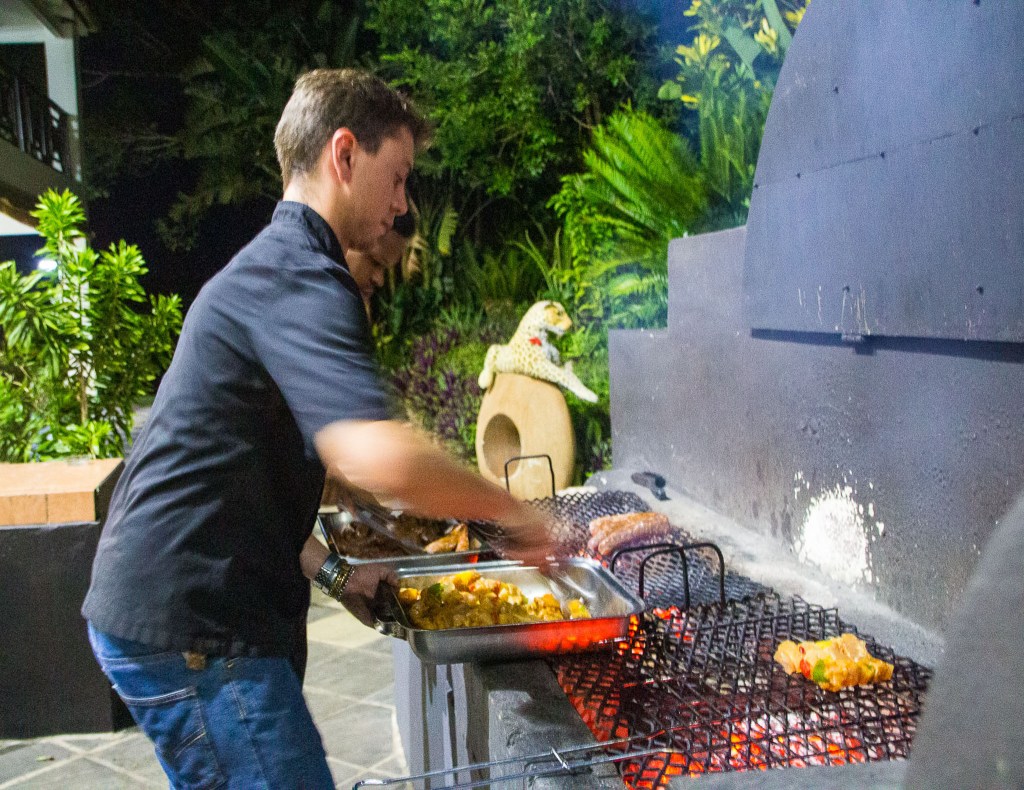
BBQ being prepared to be served at Eco Lodge’s Hog and Hippo Bistro.

YOUR BOAT TOUR – RECEIVE 20% OFF A SELECTED HIPPO AND CROC BOAT CRUISE (2 AND A HALF HOUR TOUR)

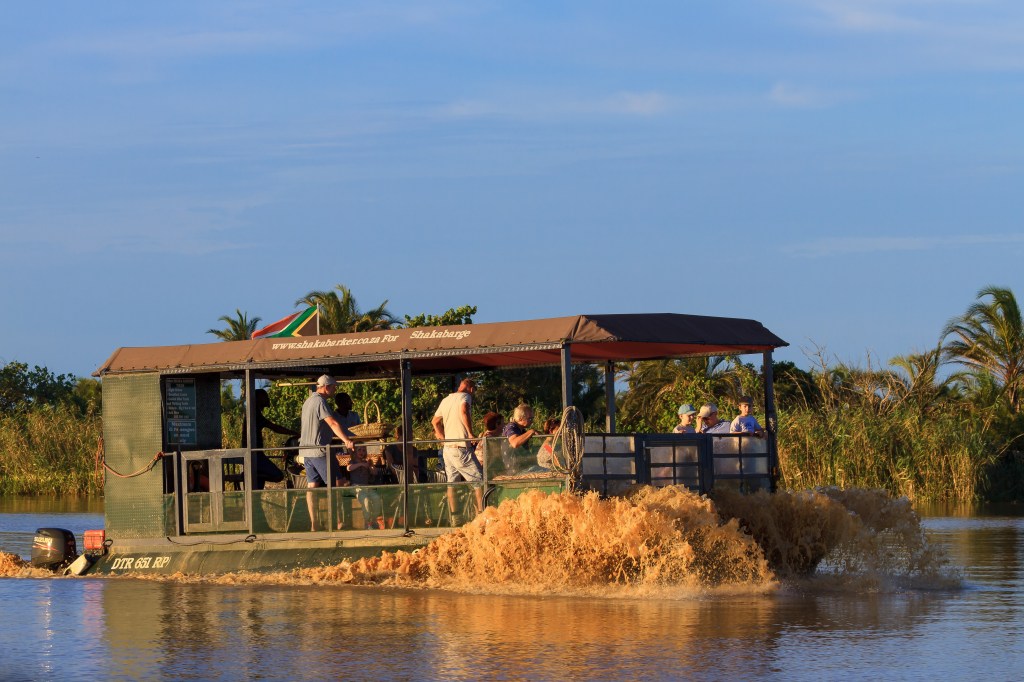
ShakaBarker transports their guests to the harbour where the barge will leave for a 2-ShakaBarker transports their guests to the harbour where the barge will leave for a 2-and-a-half-hour hippo and croc cruise on Lake St. Lucia. A stop for a photoshoot and to admire the hippos over a cup of tea, coffee or hot chocolate, and traditional South African rusks are included.

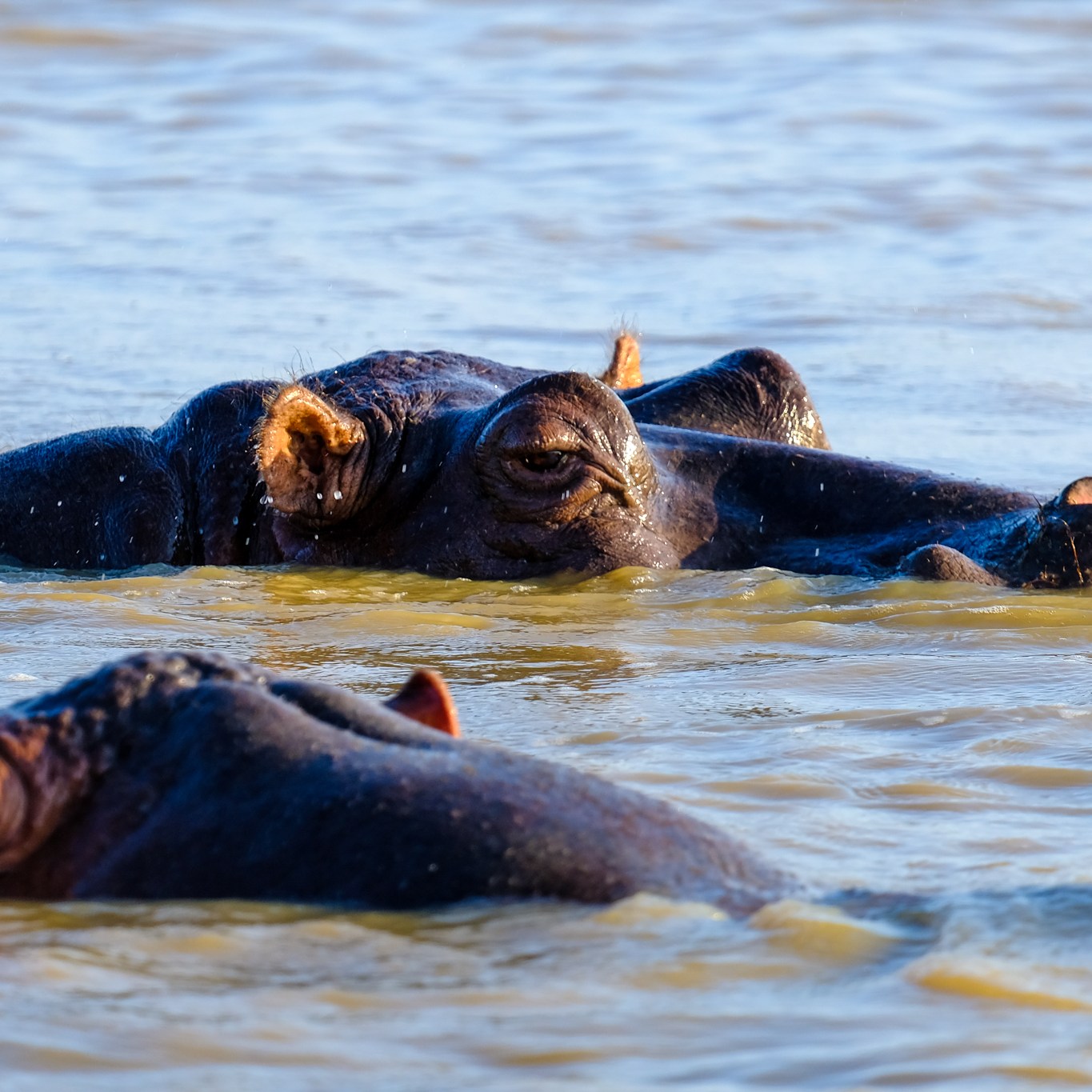
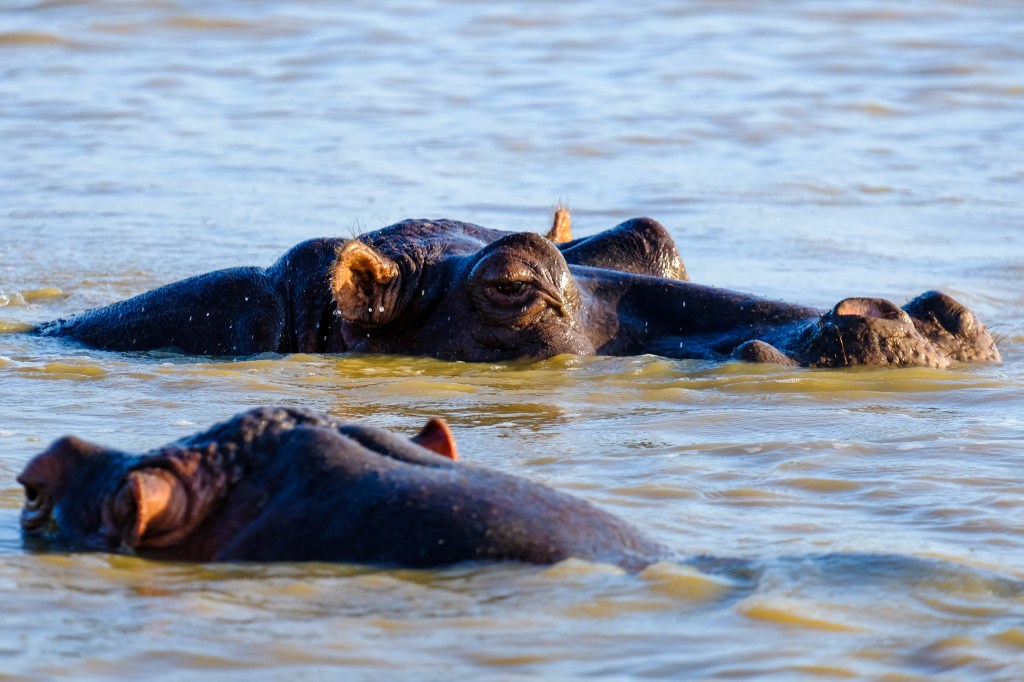
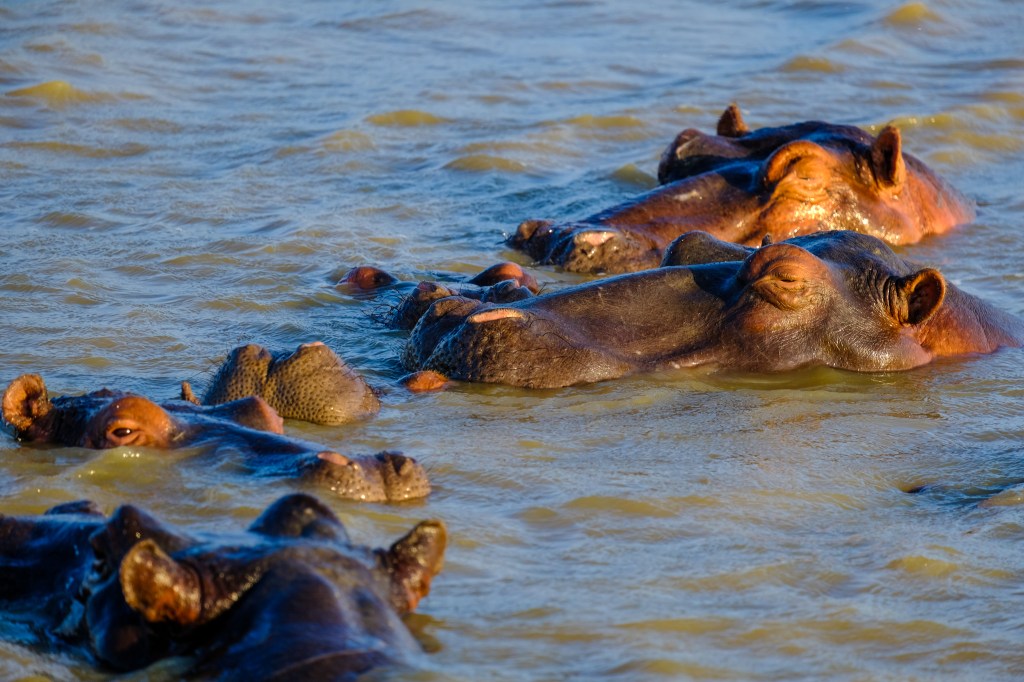
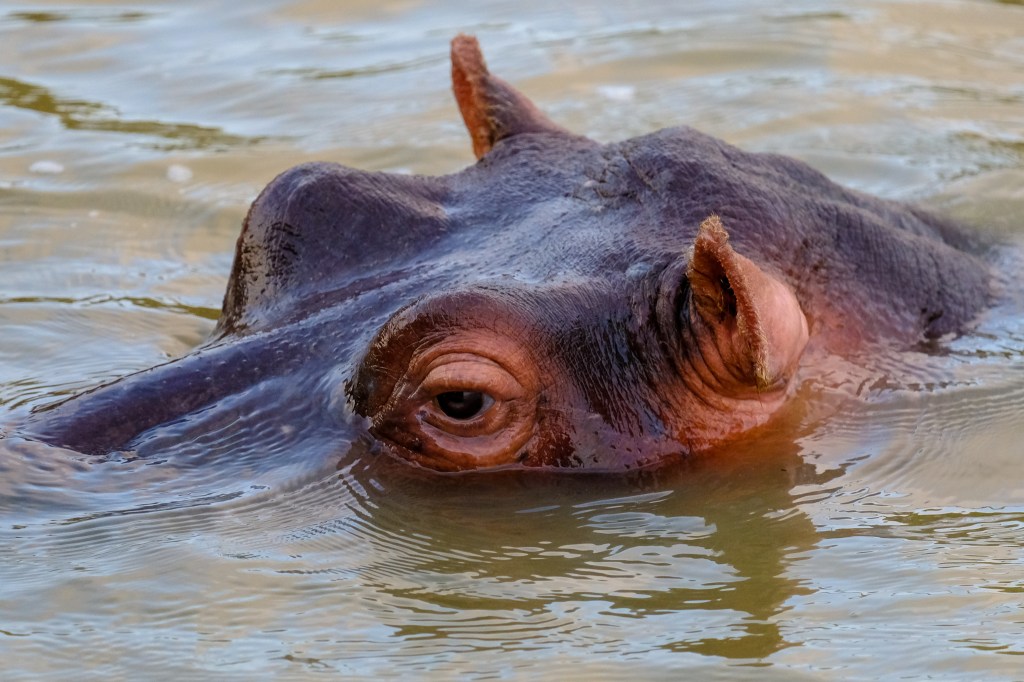
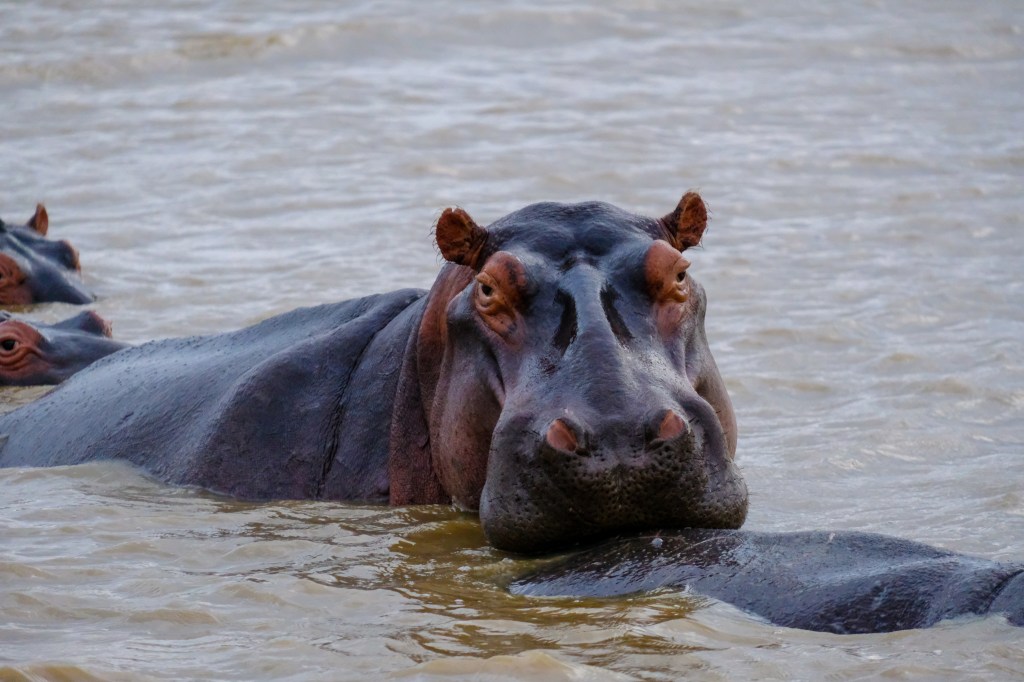
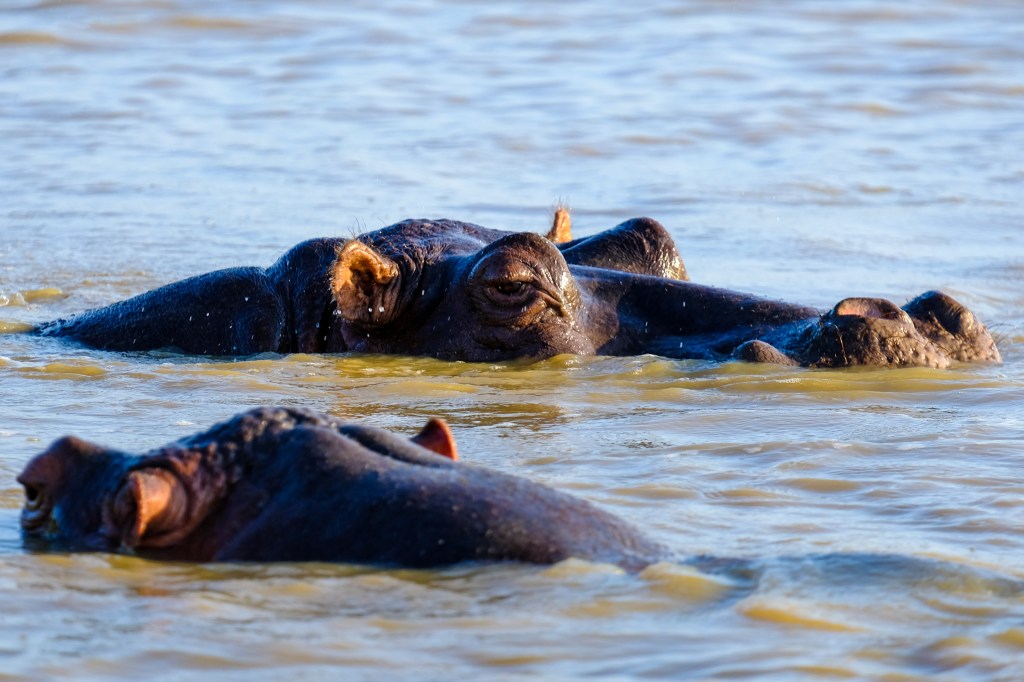
Some of the many hippos you will see on this estuary cruise.

YOUR SAFARI – RECEIEVE 15% OFF A FULL DAY SAFARI TO THE iSIMANGALISO WETLAND PARK

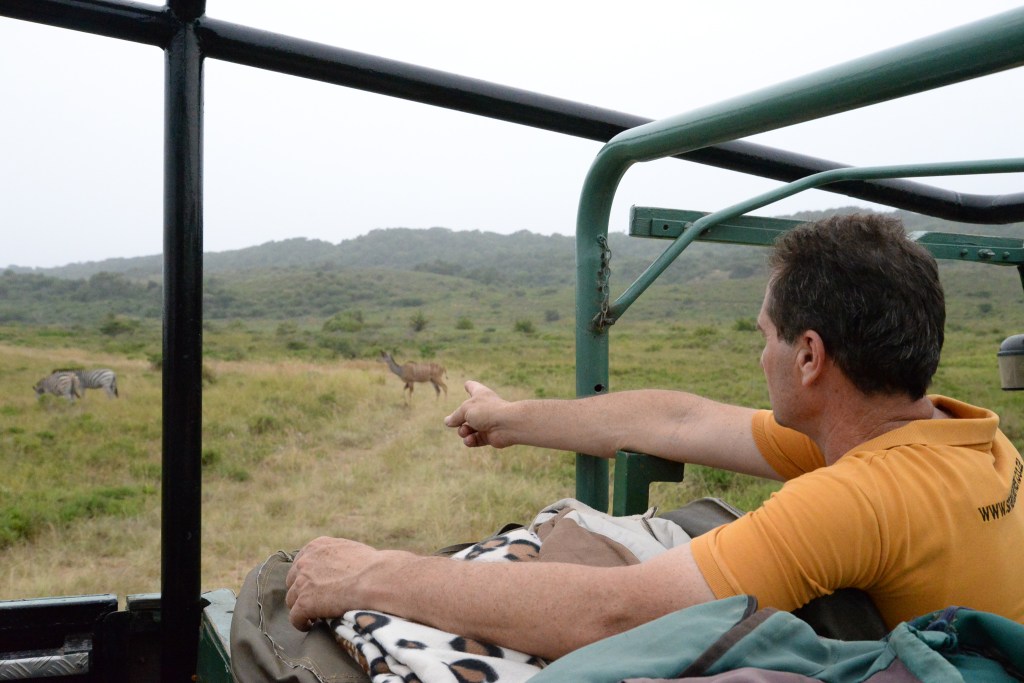
A full day of safari to the iSimangaliso Wetland Park is a fascinating trip where you learn about the biodiversity of the park, the ecosystem, and the animals you will see along the way to Cape Vidal where you will stop for a swim, snorkel, and lunch before returning back to St. Lucia Eco Lodge.

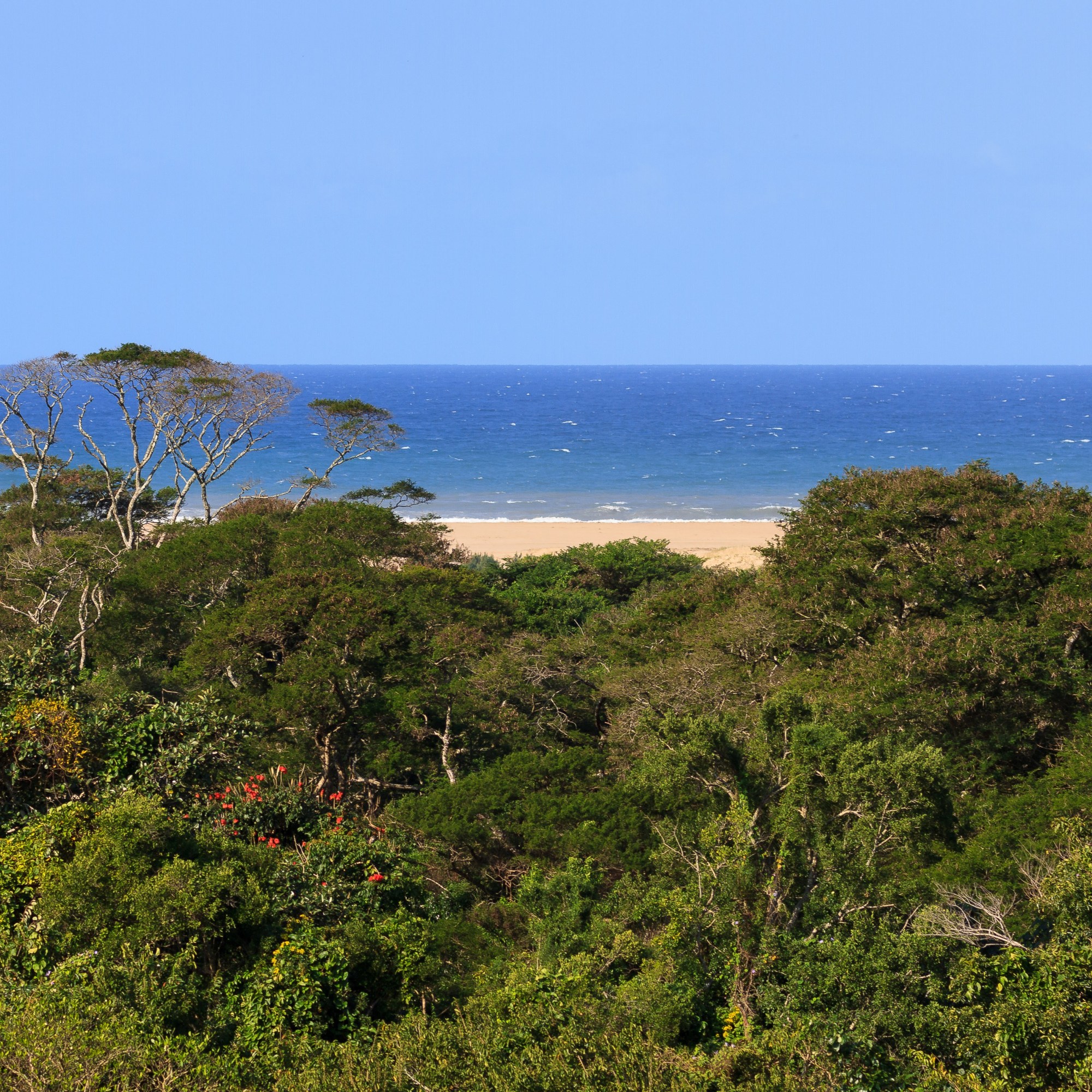
A glimpse of Cape Vidal beach, the jewel that awaits at the end of your drive for a swim and lunch before returning.

YOUR OUTDOOR ACTIVITIES – RECEIVE 50% OFF A GUIDED WALK (1 AND A HALF HOURS)

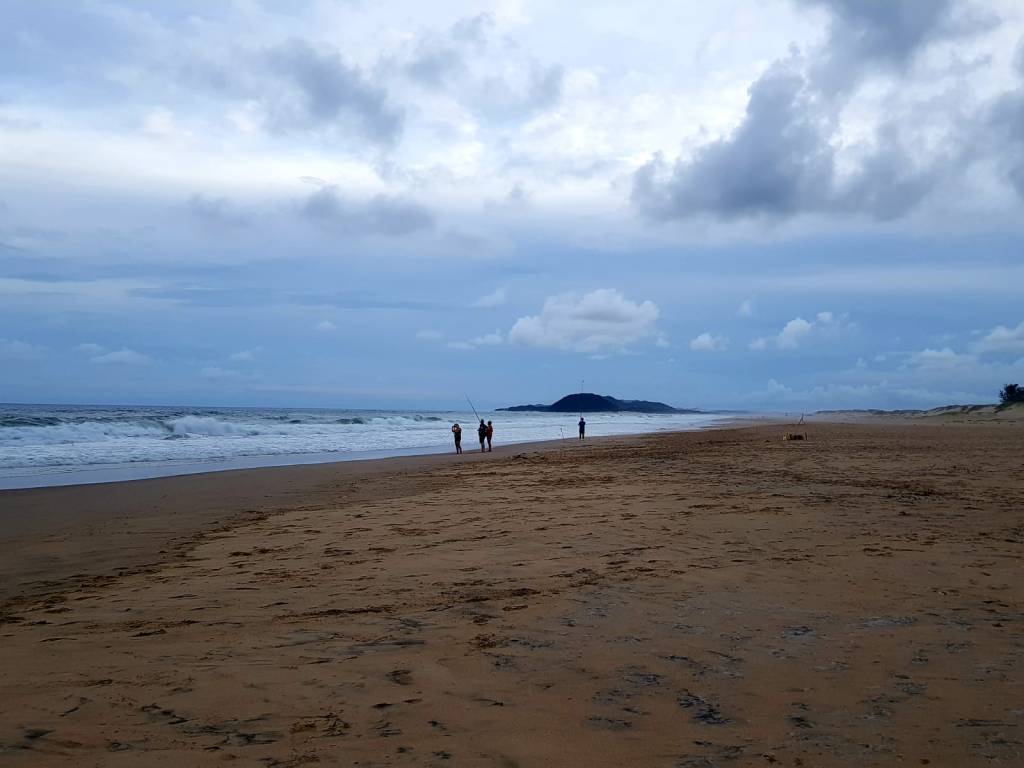
Guided walks in and around St. Lucia are wonderful birding opportunities as the area is rich in bird life. Alternatively, a walk on the beach to Maphelane our tallest vegetated sand dune with magnificent views can be arranged at reception.
YOUR OUTDOOR ACTIVITIES – RECEIVE 25% OFF A GUIDED BIKE RIDE (3 HOURS)

Bicycles can be rented for self-excursions or for guided bike rides in and around St. Lucia with a real Zulu guide to introduce you to our local birds and game viewing. This guided tour includes refreshments.

BRING THIS VOUCHER AND PRESENT IT ON CHECK-IN TO OUR STAFF AT ST. LUCIA ECO LODGE
Terms and conditions apply

A Blast from the Past

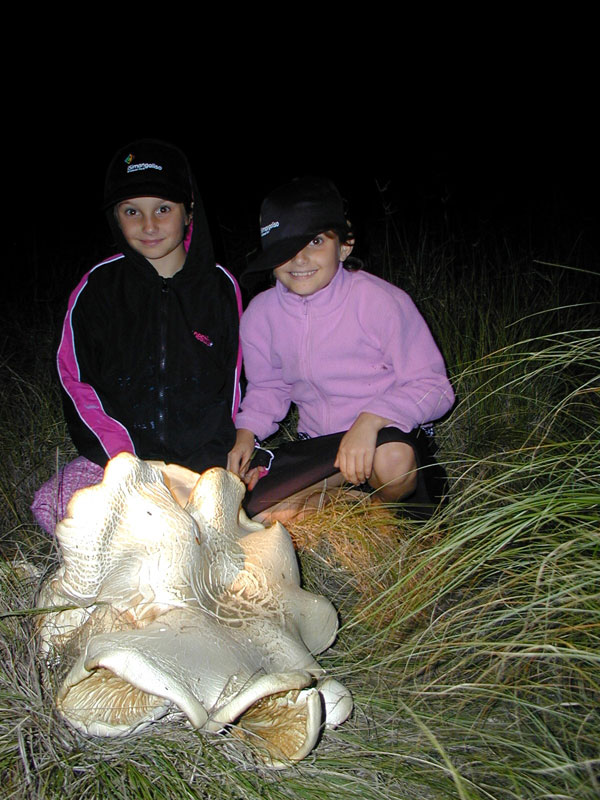
This trip down memory lane reads a little like one of Roald Dahls famous children’s books – The iSimangaliso Wetland Park and Kian’s Giant Mushroom. Sometimes it is fun to look back to the news of yesteryear. April 2008, 12 years ago a trip into the iSimangaliso Wetland Park resulted in this rather unique discovery. With this chance encounter the iSimangaliso Wetland Park Authority was able to officially announce that its species list had grown due to the addition of this fungus sighting, thus increasing the Park’s biodiversity count.

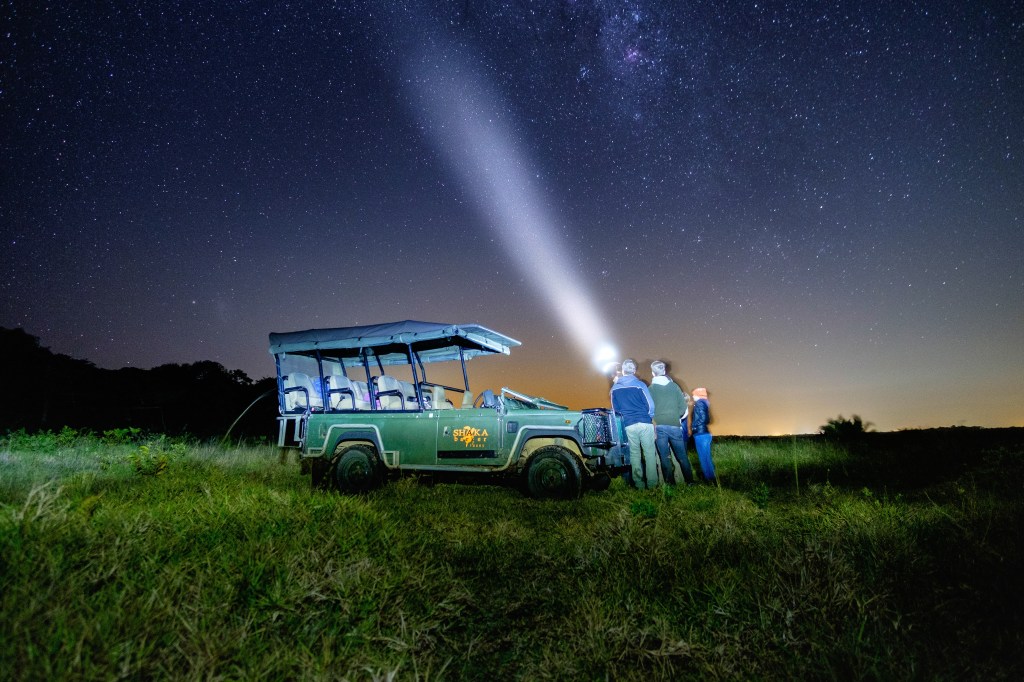
ShakaBarker night drives give you a unique view of the iSimangaliso Wetland Park and its animals and their nightly behaviour.

The discovery was one of those random happenings when our ever-vigilant local tour guide (and owner of Eco Lodge) Kian Barker noticed what he thought was a piece of plastic lying in the bush while on a night drive in January and stopped to retrieve it. To the delight of Kian and his guests, the offending piece of litter turned out to be an unusually large mushroom.

Here we see Alex (left) and Camilla Barker with their father’s unusual discovery.  Little did they know the journey this photograph would take before it could be identified.

Kian, keen to discover the background behind this fascinating find forwarded his picture to then iSimangaliso CEO Andrew Zaloumis, who in turn mailed it on to Durban natural historian Geoff Nichols. From here the picture began its journey into the Ethernet where it landed on a number of computer screens, one being that of Dr. Marieka Gryzenhout from the Forestry and Agricultural Biotechnology Institute at the University of Pretoria.

It would appear that the identification and classification of fungi is both difficult, and in a state of ongoing fluidity, and as a result very few scientists in South Africa are currently doing research in this field. For this reason, the answers to this fungal conundrum did not lie in South Africa, but rather further afield. Luckily for Kian and his discovery Marieka knew exactly who to forward their find on to!  So, the picture journeyed from Marieka’s computer to the National Herbarium of Victoria in Australia, and then onto the desk of senior Mycologist (Mycology is the study of fungi) Dr. Tom May, curator of fungi, who identified iSimangaliso’s mushroom as Macrocybe lobayensis.

That fungus discovery made an approximate 20,840km round trip before Kian had a name for his mushroom. Pretty impressive all in all! By this stage the picture had also been circulated via the Internet to amateur fungus-lovers all over Southern Africa and had caused somewhat of a stir. This is because it is one of the species of fungus known to produce the largest mushrooms. A mushroom is the common name given to the fruiting body of a fungus.

The genus to which our iSimangaliso Macrocybe belongs has a pantropical distribution. This means it occurs in tropical areas around the world and is usually found in grasslands. It is highly unlikely, however, that this species has been previously recorded in iSimangaliso, and its occurrence here, a mere 4 kms from the town of St. Lucia may also establish a new distribution record for South Africa as a whole. It is almost assured that iSimangaliso holds many more fungal treasures, so far undiscovered, as approximately only 4% of SA’s fungi are known to science!

Views of Maphelane

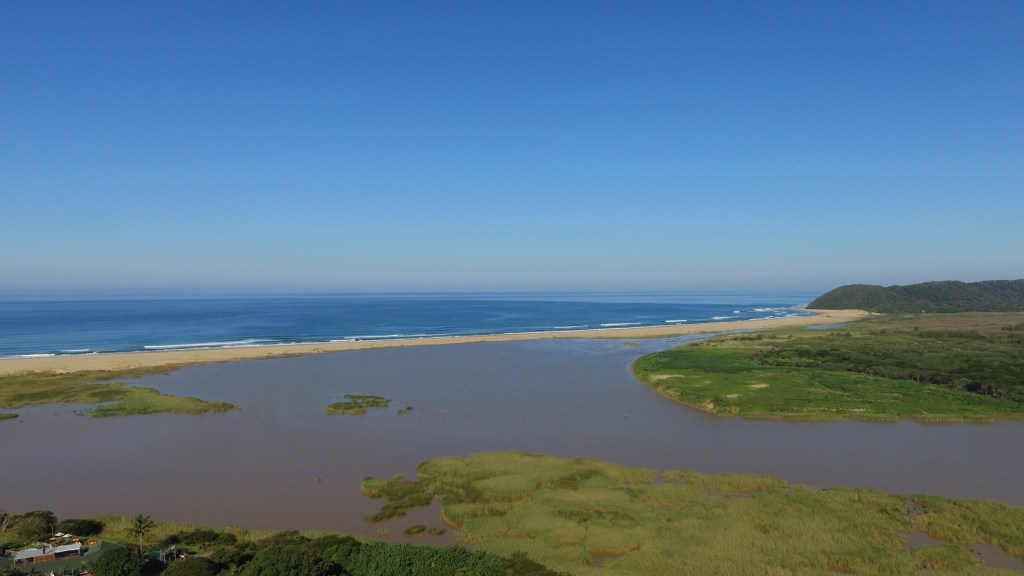
Eco Lodge is uniquely situated because you have a view of highest vegetated sand dune from the front of their property.

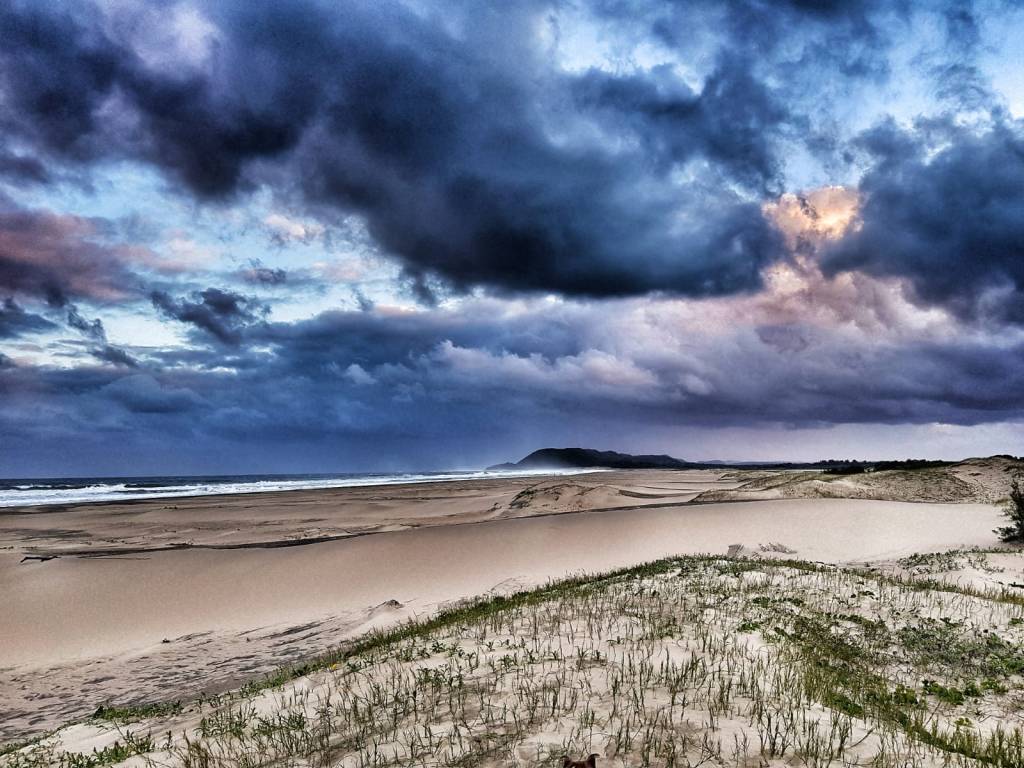
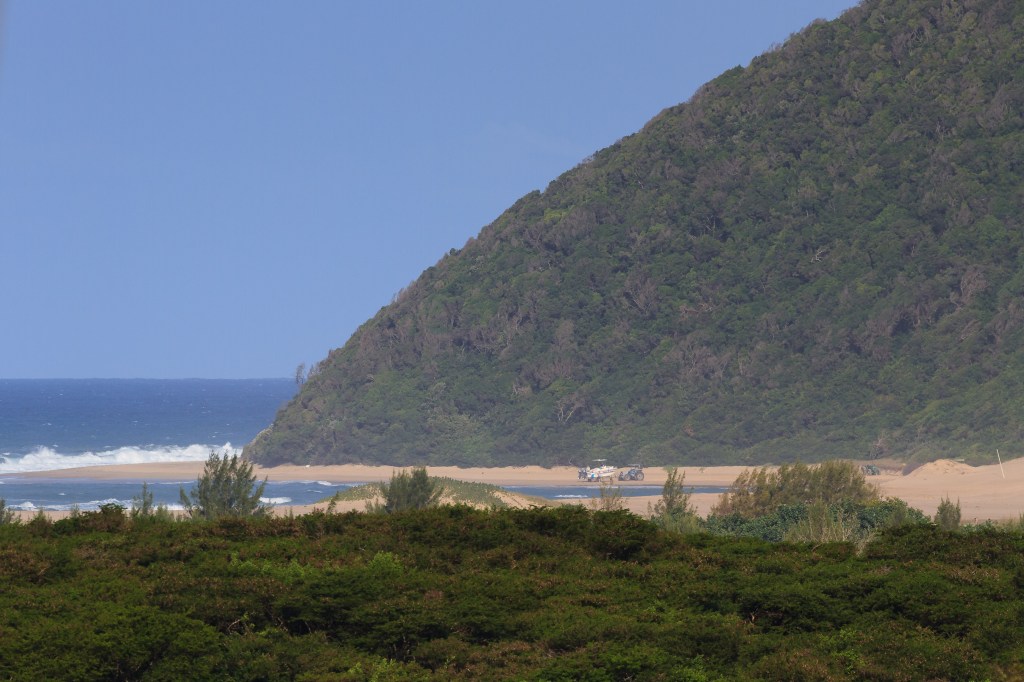
Maphelane is situated on the coast where the iMfolozi river enters the sea and forms part of the St. Lucia estuary system. At 183m, this is South Africa’s highest vegetated dune, and the hike to the viewpoint is well worth the breath-taking views of the ocean and river mouth. This photograph illustrates it situation in relation to the town of St. Lucia, the lake and the sea.

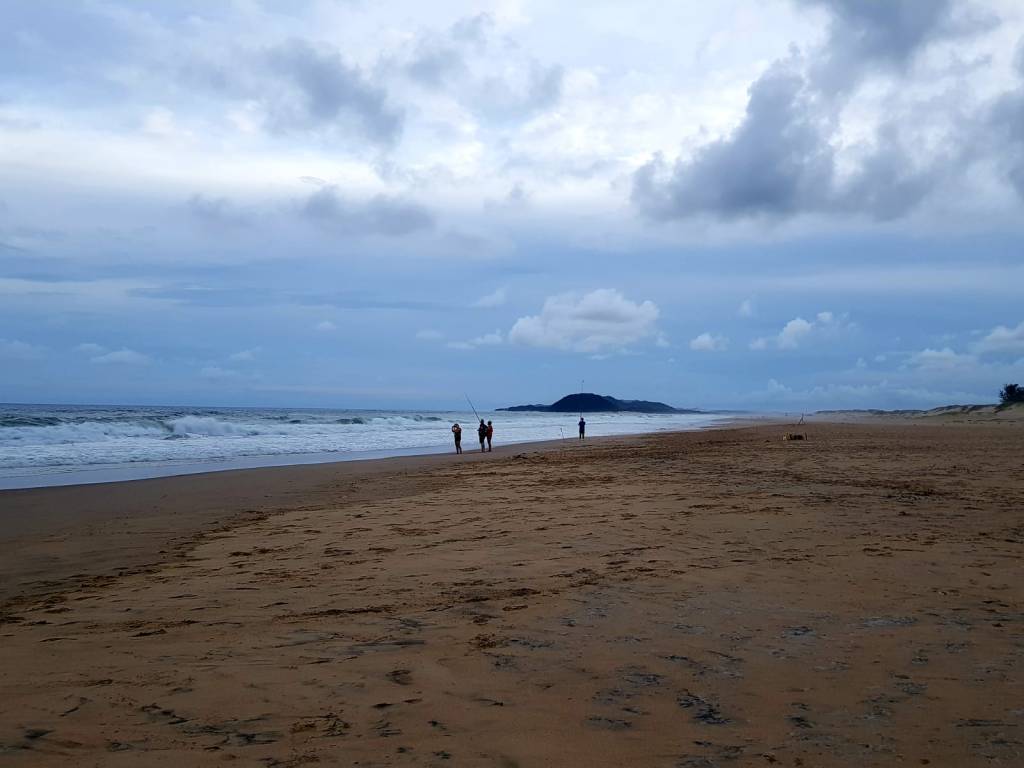
Maphelane is an established dune where natural vegetation has grown stabilising the now fossilised dune. It is a pristine patch of coastal forest with a vibrant bird population. Sea birds, waterfowl and forest birds are abundant, and over 200 species of birds have been identified in this area. As you can see from the above photo Maphelane is an easy walk along the beach from the little hamlet of St. Lucia – unless the river mouth is open to the sea. Just remember when crossing the dune along the river’s edge you should not be tempted to paddle or swim in the river water due to the presence of crocodiles and hippo.

Interested in taking a walk to Maphelane to climb the dune? Speak to us at reception. We can arrange for a guided walk. Guides are recommended for this particular hike, plenty of water and sunblock is a must.
Hippo and Croc Tour – A Unique Lake St. Lucia Experience

By adding a Hippo and Croc tour with Shaka Barker to your St Lucia  detour you will tick all your boxes for a top shelf itinerary when visiting this part of the world. You can explore Lake St Lucia while viewing the hippo antics and stealthy crocs from the safety and comfort of the barge, allowing you to admire the picturesque views along the banks of the lake and the wild animals that come down to drink from the water.

This allows visitors a whole new game viewing perspective rather than just from  a vehicle in the park.  It is this unique experience which makes this one of the most magical areas in South Africa. The on board guide also gives a commentary (in English) concerning the 5 ecosystems and information on the estuary itself and the wildlife you can expect to see.  The guides are extremely knowledgeable and are available to answer questions and interact with the guests on the boat trip ensuring you get the most from your hippo and croc tour.

And of course our boats find the best spot to idle and drink some tea, coffee, or hot chocolate with rusks, while watching a bloat of hippos jostle in the water.  This, along with our unique personalised pick-up and drop-off service for all guests who have booked an estuary trip through us, a service to our clients we pride ourselves in.

With frequent departures from the dredger harbour during the day it is easy to fit in this cruise on a UNESCO listed landmark into your St Lucia detour, and it offers the perfect relaxing break from the usual frantic driving, sightseeing itinerary!  Shakabarker offers 3 timings, the first at 6am for a breakfast tour.  This particular tour is easily organised, but will require special prior booking to facilitate breakfast arrangements.  The other two fixed departure times are 10am to 12pm, and the sunset cruise.  The afternoon cruise times change depending on the season to catch the sunset at its most magnificent.   The tours on the lake are two hours in duration from start to finish, and you will be collected from your accommodation prior to departure, and returned after the trip has been completed.

The tour boats depart from the jetty at the dredger harbour and are specially constructed for a unique viewing experience.  Our boats are small and carry a maximum of 15 guests, ensuring everyone on the boat maximum viewing and photographic opportunities.  This size group also allows for freedom of movement when the boat is stationary at a viewing stop. The Shaka barges eco-friendly quiet, and smoke free motors, allow you to get close to the Hippos and Crocodiles – so close you can almost touch them. The boats have a shallow draft, which not only allows them to float in very shallow areas of the lake, but also minimizes the impact on the environment. 

These tours also concentrate on the many bird and animal species found in the Estuary and the mangroves. Common sights are fish eagles, kingfishers, herons and many other species. SATOUR qualified guides guide these tours, and are extremely knowledgeable and passionate about their subject, which gives them a deep insight into the estuary’s wildlife and surrounds. This knowledge is passed on to those on the boat. For those who may need bathroom facilities these are available on the boats. 

Contact us at info@shakabarker.co.za to arrange a unique estuary tour on one of our Shaka barges.

Linger Longer

Many visitors to St. Lucia see it as a quick overnight stop and book with us only for one night and add a two hour hippo and croc tour on the lake to their rushed itinerary before heading south to Durban to board their plane, or to head on to some other destination.

created by dji camera

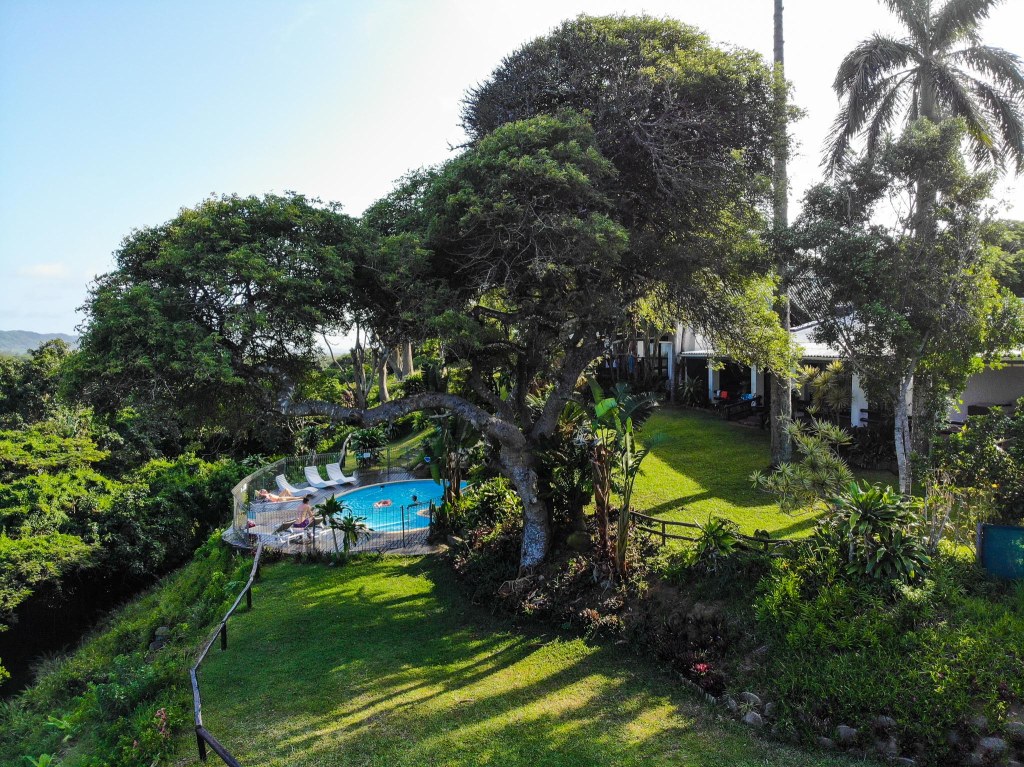
What they find to their chagrin and disappointment is they underestimated how much there is to do in the area, and as a result miss some wonderful experiences and game viewing opportunities. St. Lucia is the perfect place to base yourself for your explorations, and Eco Lodge has magnificent surrounds, spacious rooms, self-catering facilities, as well as our famous Hog and Hippo restaurant, and not to mention the beautiful views, making it the perfect place to base yourself for discovering this pristine part of South Africa. When guests contact us wanting to make bookings we always recommend they spend a few days in the area to make the most of our beautiful parks, beaches and safaris.
Hluhluwe-iMfolozi Park first opened in 1895 as a park, and is the only state run park in Kwazulu-Natal that is home to the African Big 5. It is only a 45-minute drive from St. Lucia. It is the oldest reserve in Africa with 960 square kilometres of wilderness filled with a wide variety of animals, and is world re-known for its conservation efforts. The Northern section is known as the Hluhluwe side of the park while the southern section is known as the iMfolozi. The iMfolozi Park is 720 square kilometres in size and the Hluhluwe Park is 240 square kilometres in size. Hluhluwe has it all, rolling hills, early morning sunrises, and magnificent game watching opportunities, Big 5 sightings and wonderful photographic moments.

Set in the heart of Zululand, the game reserve offers visitors self guided walks, auto-trails, and magnificent picnic sites. If you would like to arrange for a guided safari of the park please enquire as this can easily be arranged for you. Viewing hides overlook pans and waterholes with incredible birding opportunities and enable visitors to see animals at close range without feeling threatened by our presence. Whether you are a twitcher, or a birder, or just a bird watcher there are up to 340 species to be discovered within the area.

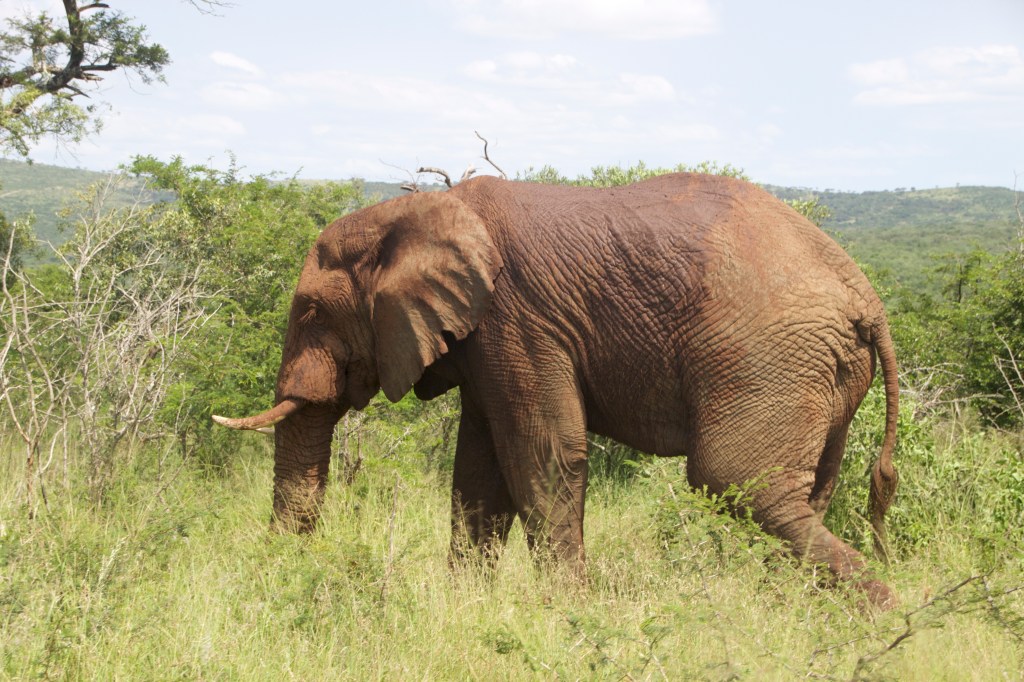
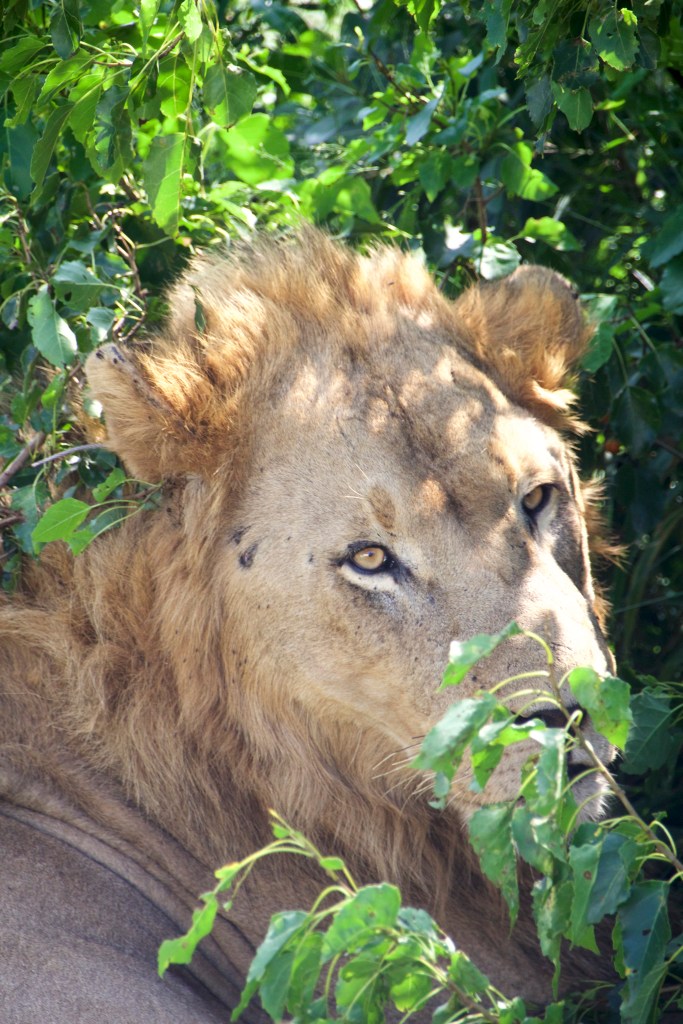
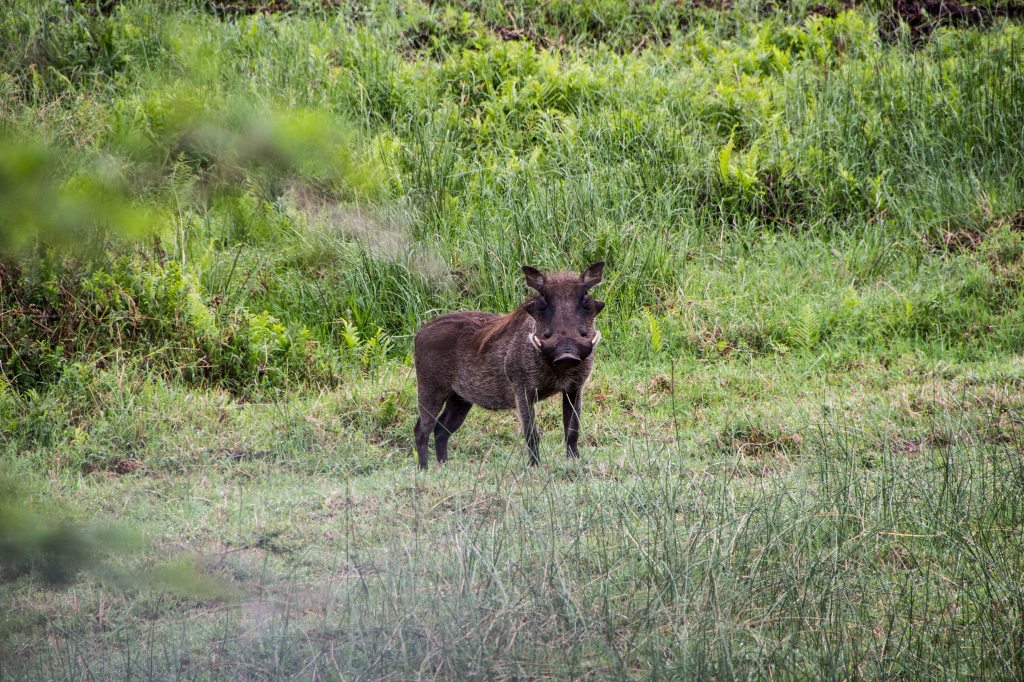
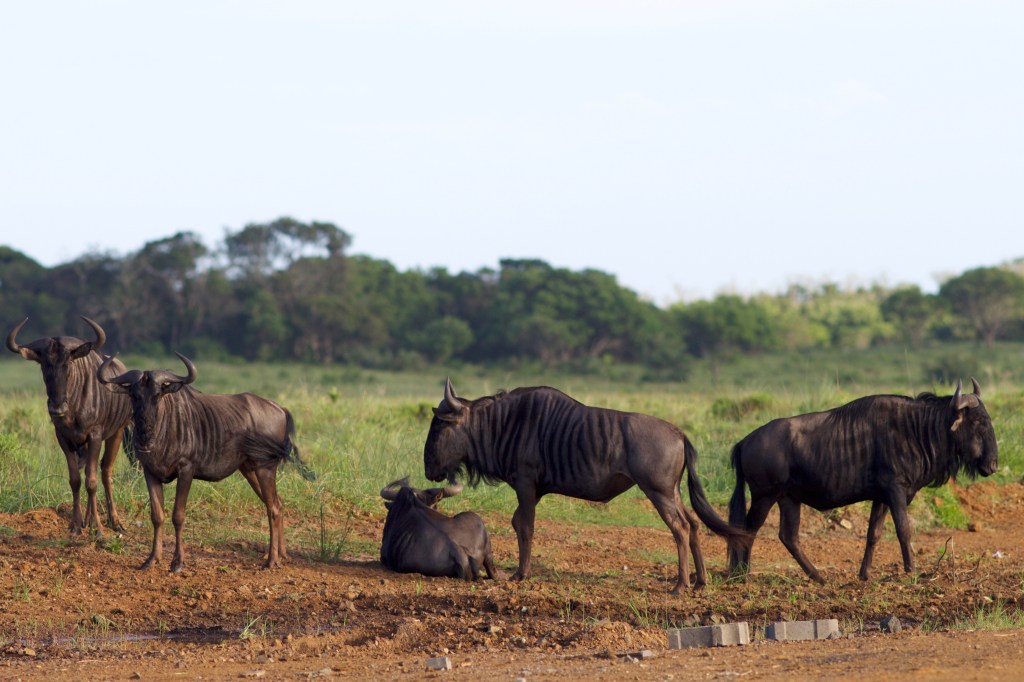
The Hluhluwe-iMfolozi Park is home to 86 species of wildlife including the Big 5.  Some of these species are listed below:

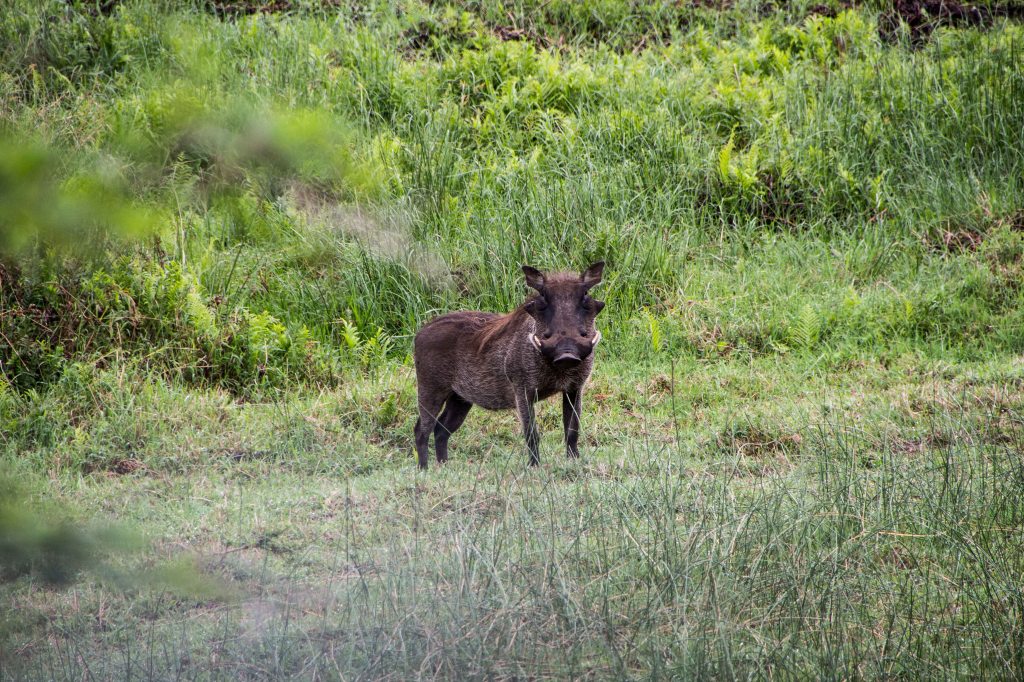
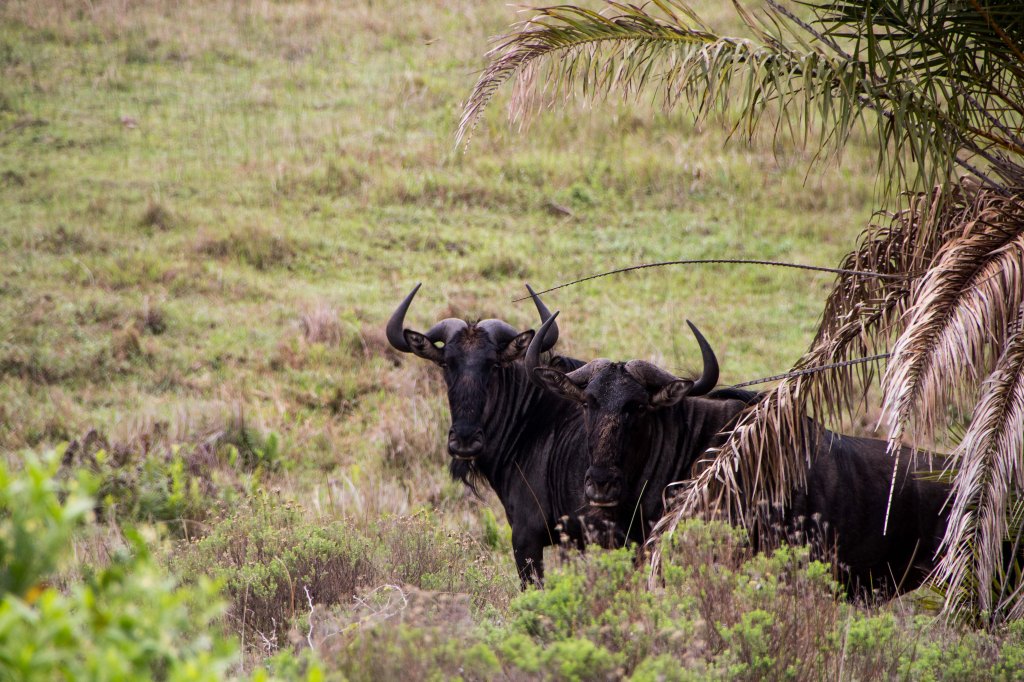
Nyala, Nile crocodile, hippo, giraffe, African Wild Dog, cheetah, kudu, impala, bush pig, common warthog, hyena, water buck, duiker, blue wildebeest, jackal and much more. It is a magnificent park and if visiting this part of KwaZulu-Natal it should be on your must see list. Our booking staff at Eco Lodge are more than happy to assist our guests create an itinerary that will include all the beautiful sights and safaris in the area at no extra charge, just ask us.

Design a site like this with WordPress.com
Get started